Snowshoeing for Beginners: How to Get Started on Maine's Winter Trails
Key takeaways
- If you can walk, you can snowshoe. It takes about ten minutes to get comfortable.
- You wear your own winter boots. Snowshoes strap over whatever you already own.
- Size snowshoes by your total loaded weight, not your shoe size.
- Cut your usual summer hiking distance in half for a first outing, because soft snow is tiring.
- Acadia's carriage roads are among the most forgiving places in Maine to learn.
Snowshoeing has the shortest learning curve of any winter sport. There is no lesson to book and no lift ticket to buy, and the technique is close enough to walking that most people have it figured out within the first ten minutes. What trips beginners up is not the skill, it is showing up with the wrong boots, the wrong size snowshoe, or a route twice as long as their legs are ready for.
Is snowshoeing hard for a beginner?
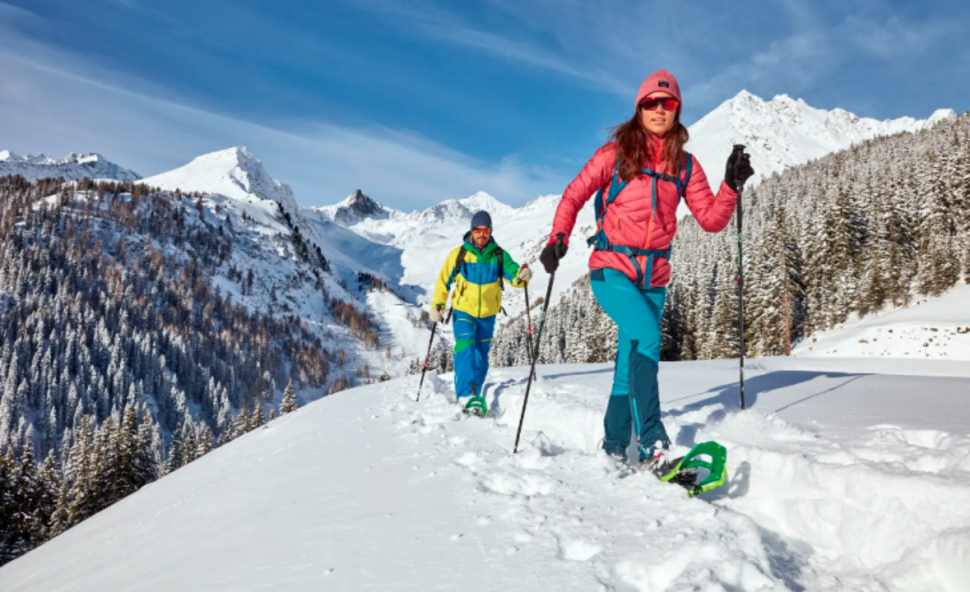
No. Snowshoeing is one of the most beginner-friendly winter activities there is, because the basic motion is walking with a slightly wider stance and a higher knee lift. There is no balance skill to acquire the way there is with skiing or skating.
What it is, however, is tiring. Walking through soft snow takes noticeably more effort than the same distance on dry trail, and beginners routinely underestimate that. Halving your normal summer distance for a first trip is the single best piece of advice in this guide.
What you actually need to start
The list is shorter than most people expect.
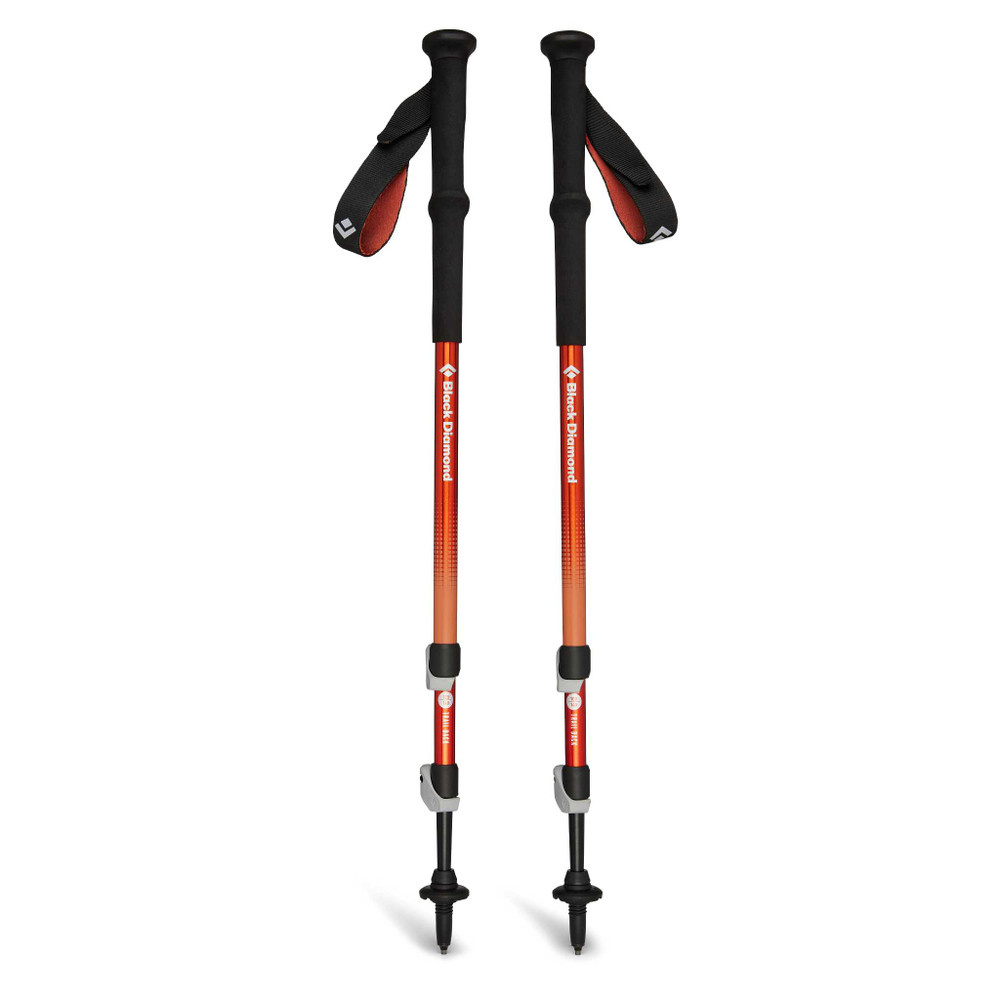
Snowshoes are the only specialised item. Beyond that you need warm waterproof boots, non-cotton layers, and gloves and a hat. Poles are optional but genuinely helpful for balance on uneven ground, and they need snow baskets fitted so they do not sink. Our trekking poles and ski poles both work, and the pole length guide covers sizing.
Sizing the snowshoe itself is the one decision worth getting right. It is based on your total weight including pack and clothing, not your shoe size, because the job of the snowshoe is to float you on top of the snow. That also makes snowshoes an unusually safe thing to buy for someone else, which is why they turn up in our gift guide for hikers. Our snowshoe sizing guide walks through the weight ranges properly, and if you are deciding between styles, recreational versus backcountry snowshoes covers that split. Bindings vary more than people realise too, and binding systems explained is worth a read before buying.
Do you wear your own boots snowshoeing?
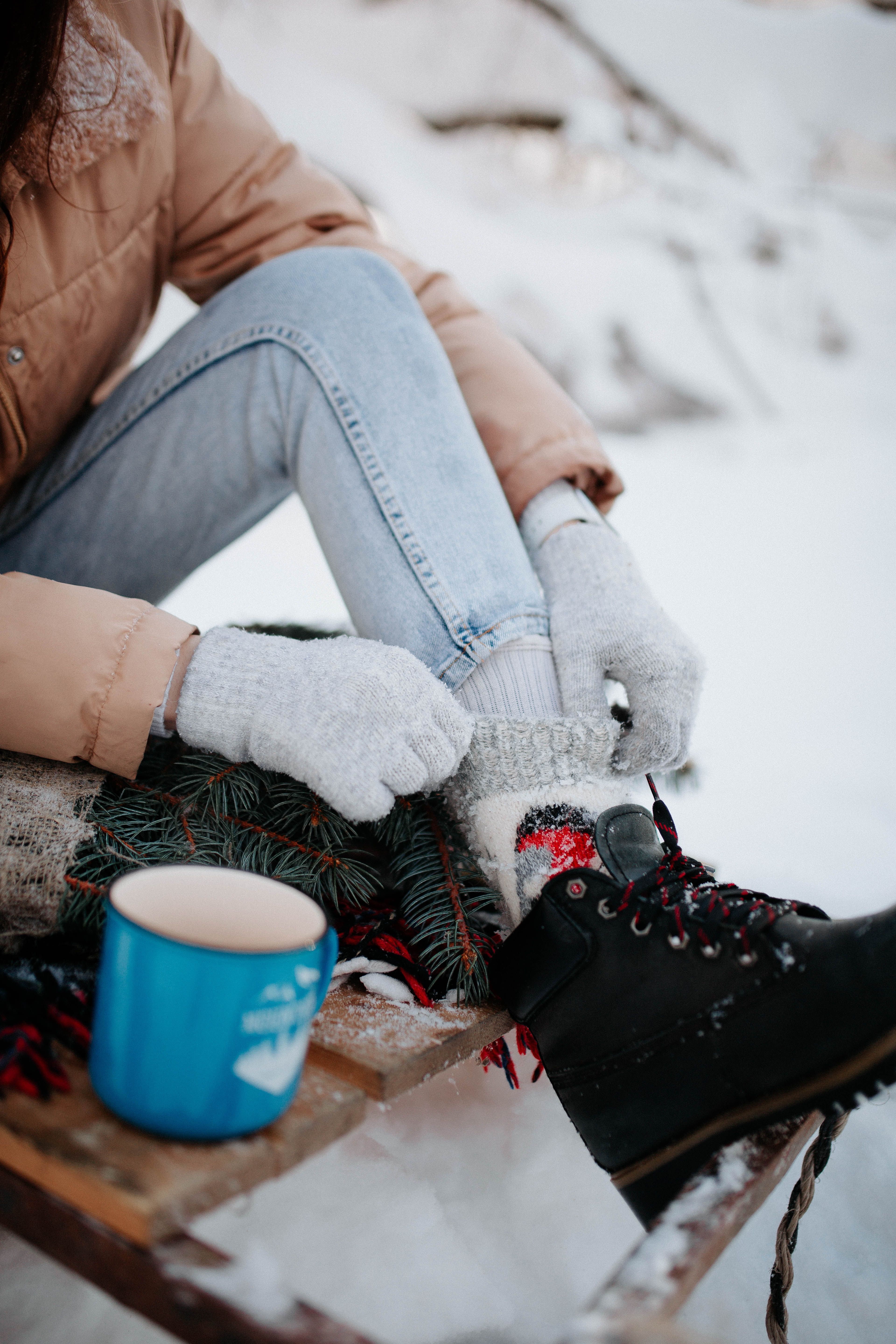
Yes. Snowshoe bindings are designed to strap over regular winter boots, which means the boot you choose matters more than the snowshoe for how comfortable the day is. You want warm and waterproof with a reasonably stiff sole.
Wet feet are the most common way a first snowshoe trip goes badly, and cotton socks are the second. Our winter hiking boots guide covers what to look for. Dress in the same layered system you would use for any winter hike, which our layering guide sets out from the skin out. You will warm up faster than you expect, so start slightly cold.
The technique, in about a paragraph
Walk with your feet a little wider apart than normal and lift your knees higher, closer to a march, so you are not standing on your own frames. Going uphill, plant your foot firmly so the teeth under the ball of your foot bite. Going downhill, keep your knees soft and your weight centred, and lead with your heel. Do not try to walk backwards. If you fall, get your snowshoes below you and across the slope before standing up.
That is genuinely the whole technique.
How much snow do you actually need?
Roughly six inches of settled snow is the practical minimum. Below that you are better off in boots, possibly with traction, because snowshoes on thin cover just catch on rocks and roots underneath.
Snow condition matters more than depth once you are past that threshold. Fresh powder is the most tiring, since you sink with every step even on snowshoes. A day or two after a storm, once the snow has settled or a trail has been broken by other people, is considerably easier walking. Spring snow that has thawed and refrozen can turn firm enough that you do not need snowshoes at all in the morning, then soften into deep postholing by afternoon, which is a genuinely miserable way to learn about timing.
What to carry on a winter day out
Winter turns small problems into bigger ones, mostly because daylight is short and stopping makes you cold fast.
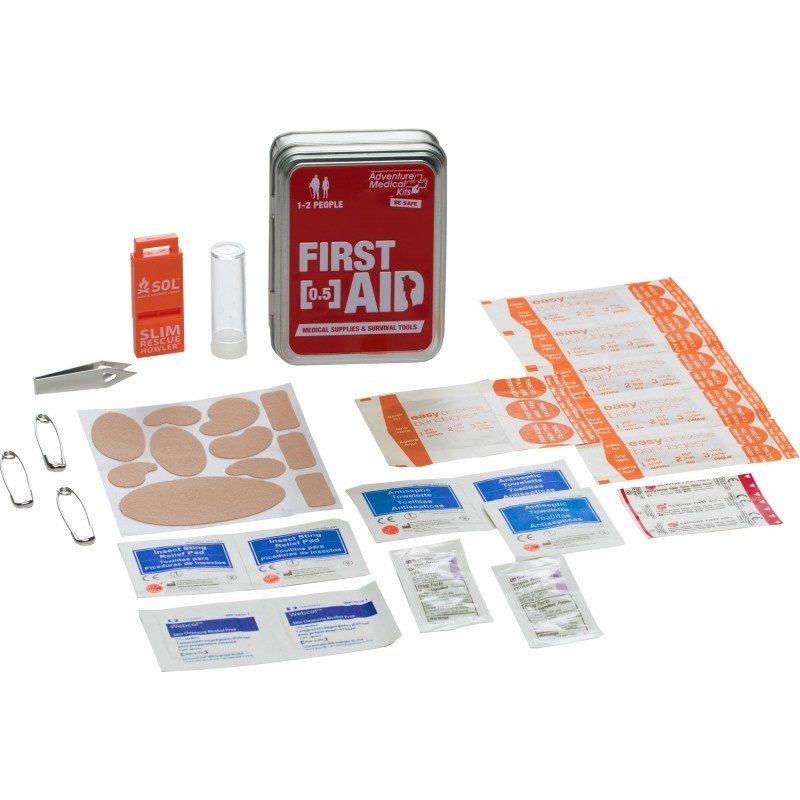
A headlamp is the item people most often skip and most often need, since sunset in a Maine January arrives around four in the afternoon. Carry more water than feels necessary, because cold weather suppresses thirst while the effort of walking through snow does not, and add an insulating layer you only put on when you stop. A basic first aid kit and something to eat round it out. Our headlamps and lighting and first aid supplies cover both.
Where to learn in Maine
Acadia's carriage roads are the best beginner terrain in the region, and it is not a close call. They are wide, graded, largely free of steep drop-offs, and they get enough traffic in winter that a broken trail usually exists. Forty-five miles of them means you can turn around whenever your legs decide, which is exactly what a first outing needs.
One piece of etiquette matters here: stay off groomed cross-country ski tracks. Snowshoes destroy the set grooves, and in Acadia the ski and snowshoe users share the same network. Walk beside the tracks rather than in them.
Once the carriage roads feel easy, the lower trails around Jordan Pond and the Witch Hole Pond loop add mild terrain without committing you to a summit. Save the exposed summits for after you have a few trips in. Wind above the treeline on Cadillac turns a pleasant afternoon into a serious one quickly, and the granite up there often ends up too scoured and icy for snowshoes anyway, which is a traction problem rather than a flotation one. That is the point where microspikes come out of the pack instead, and our guide to choosing winter traction covers which type suits which ground.
Two practical notes on planning a first outing. Check whether the road access you are counting on is actually open, since large sections of the Park Loop Road close for the winter and the trailhead you use in July may be several miles from where you can park in February. And go with someone, at least for the first few trips, partly for the company and partly because a twisted ankle in the snow is a different problem alone than it is with a second person.
Browse the snowshoes range, or come to the Bangor or Bar Harbor store and we will size a pair against the boots you plan to wear.
FAQ
Do you need special boots for snowshoeing?
No, but you need warm waterproof winter boots. Snowshoes strap over your own footwear, so boot choice is what decides whether your feet stay warm and dry.
Is snowshoeing harder than walking?
Yes, noticeably. Soft snow takes considerably more effort than dry trail, which is why halving your usual hiking distance is sensible for a first outing.
Do you need poles to snowshoe?
They are optional but helpful, particularly for balance on uneven ground and for getting up after a fall. If you use them, fit snow baskets so they do not sink.
Leave a comment
Recent articles
View all
Merino vs. Synthetic Base Layers for Winter Hiking