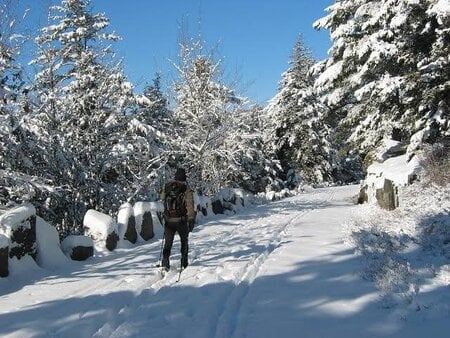
How to Layer for Winter Hiking: A Maine Outfitter's 3-Layer System
Key takeaways
- The 3-layer system is a base layer to wick sweat, a mid-layer to trap heat, and an outer shell to block wind and wet.
- Cotton is the one fabric to avoid in every layer. It holds moisture against your skin and speeds up chilling.
- Start a Maine winter hike slightly cold. You'll warm up fast once you're moving.
- Coastal Maine's wet cold needs a different shell choice than Katahdin's dry wind, even on the same layering system.
- A zip-front mid-layer lets you vent heat on the climb and seal it back in at the summit.
Getting layering wrong on a Maine winter trail usually means one of two problems: soaked and freezing, or sweating through your base layer before you've even reached the first overlook. The fix is the same 3-layer system outfitters have used for decades, adjusted for Maine's particular mix of coastal wet and inland cold.
What is the 3-layer system for winter hiking?
The 3-layer system means a base layer next to your skin to wick away sweat, a mid-layer over that to trap body heat, and an outer shell on top to block wind, rain, and snow. Each layer does one job, and the system only works if all three are doing their job at once.
The golden rule underneath all of it is to start your hike slightly cold. Physical activity warms you up fast, and if you start out already bundled to the point of comfort standing still, you'll be soaked in sweat within the first mile.

Base layer: the one that decides how the rest of your day goes
Your base layer's only job is moving sweat away from your skin before it can chill you. Merino wool and synthetic fabrics like polyester both do this well. Cotton does the opposite: it soaks up moisture and holds it against your skin, which is exactly what leads to a dangerous chill once you stop moving or the wind picks up.
On a Maine winter trail, where wind off the coast can turn a comfortable pace into a cold one fast, a damp cotton layer is one of the more avoidable mistakes hikers make.
Mid-layer: trapping the heat your body is already making
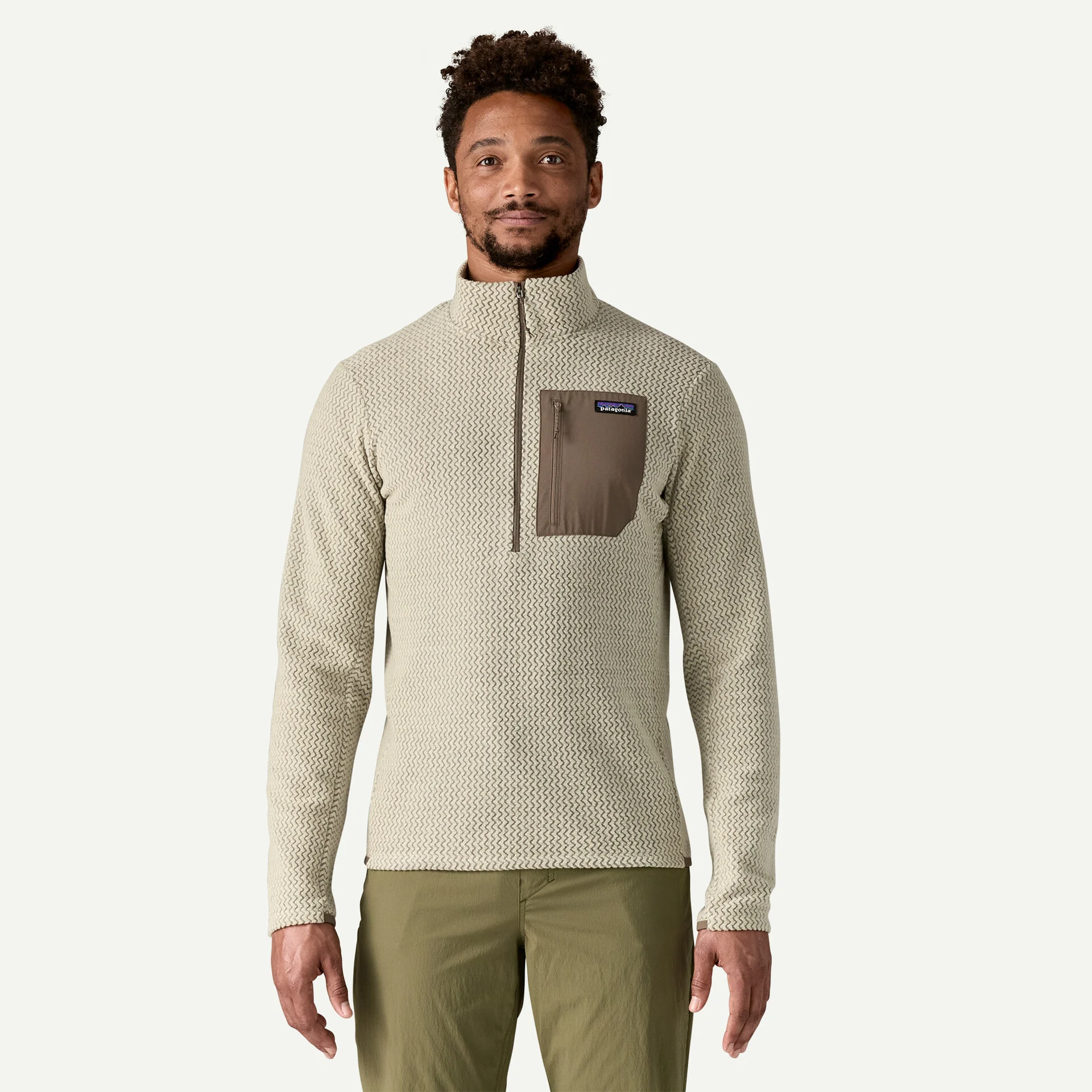
The mid-layer's job is holding onto the warm air your body generates. Fleece, wool sweaters, and packable down or synthetic puffies all work, and the thicker or loftier the material, the more heat it holds. Our Men's Fleece Jackets collection covers the most versatile version of this layer, one you'll wear on more days than the shell itself.
A mid-layer with a full front zipper is worth the extra cost. It lets you vent heat on a hard climb without stripping off a layer entirely, then zip back up the moment you stop moving or the wind hits an exposed ridge.
Outer shell: matching it to Maine's specific kind of cold
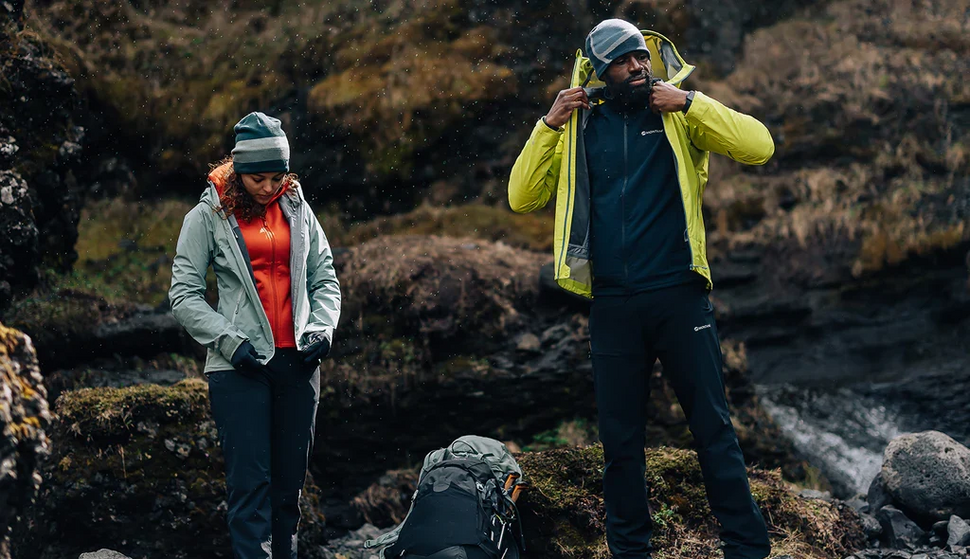
The outer shell blocks wind, rain, and snow from stripping away the heat the first two layers just worked to trap. This is where Maine's geography actually changes the answer. Coastal spots like Acadia deal with wind-driven wet more than pure cold, which calls for a fully waterproof hardshell. Inland and higher up, around Katahdin, the cold runs drier, and a wind-resistant shell with strong breathability can outperform a heavier hardshell on a long climb.
If you're deciding between shell types for your specific trip, our hardshell vs. softshell breakdown walks through which one fits which kind of Maine weather, and our waterproof rating guide covers how waterproof that shell actually needs to be.
Layering below the waist and at the extremities
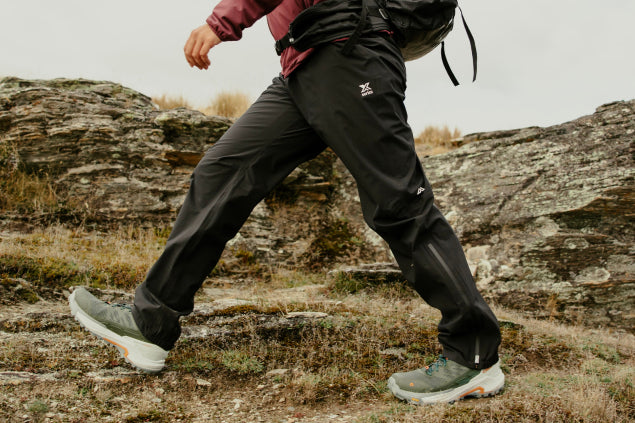
The same three-layer logic applies to your legs: a thermal base layer under insulated pants or snow pants as the shell, skipping the mid-layer unless it's genuinely brutal out. For casual use, fleece-lined leggings can do double duty as base and light mid-layer. Our Men's Outerwear Pants and Women's Winter Pants collections cover that outer layer for your legs.
Extremities lose heat fastest and deserve the same attention. Mittens generally run warmer than gloves because your fingers share warmth with each other, and a thin wicking liner underneath a heavier mitten adds warmth without bulk. A warm hat matters more than people expect, since a large share of body heat escapes through your head. One pair of wool or synthetic socks beats two: doubling up can cut off circulation in your boots and leave your feet colder, not warmer. According to the Appalachian Mountain Club's winter layering guide, the same wicking-insulating-shielding logic applies to your whole body, head to feet, not just your torso.
Building the system, whichever gear you're starting from
The 3-layer system works the same way whether you're shopping men's or women's gear, since the principle doesn't change: wick, insulate, shield. If you're building out a kit and starting with outerwear, our Men's Hardshell Jackets collection and Women's Outerwear collection both cover the shell and mid-layer side of that same system.
Once you've got the layers dialed in, the last decision is which shell earns the outer spot on your specific trip. Start with your base and mid-layer first. They matter more for comfort day to day, and the right shell is easy to add once you know what kind of Maine weather you're actually dressing for.
FAQ
What is the 3-layer rule for winter hiking?
Base layer to wick sweat, mid-layer to trap heat, and outer shell to block wind and wet. Each layer does one job, and skipping or doubling up on one usually causes the problem you're trying to avoid.
Why is cotton bad for cold weather layering?
Cotton absorbs sweat and holds it against your skin instead of moving it away, which speeds up chilling once you stop moving or the wind picks up.
Should you start a winter hike already warm or slightly cold?
Slightly cold. Movement warms you up within the first few minutes, and starting out fully bundled usually leads to overheating and sweating through your base layer.
Do you need different layers for coastal Maine versus inland Maine?
The base and mid-layer stay the same. The outer shell is where it changes: coastal spots need more waterproofing for wind-driven wet, while inland cold often calls for more breathability over sheer waterproofing.
Is one pair of socks really better than two in winter?
Yes, in most boots. A single wool or synthetic pair keeps circulation normal. Two pairs can compress your foot inside the boot and cut off the circulation that keeps your feet warm.
Leave a comment
Recent articles
View all
Merino vs. Synthetic Base Layers for Winter Hiking