How to Choose a Climbing Pack: Crag vs. Alpine vs. Rope Bags
Key Takeaways
- Crag packs (40 to 50L) carry full sport or top-rope kits to roadside walls. Alpine packs (25 to 35L) prioritize speed, low profile, and ice axe attachment for multi-pitch and mountaineering.
- Rope bags are the lightest option for short sport days. They hold a rope, harness, and shoes but skip gear loops and serious carry comfort.
- For mixed climbing (sport one weekend, alpine the next), a 30L technical pack like the CAMP Summit 30 or Deuter Guide 30 covers both ends without being perfect at either.
- A regular hiking daypack works for short approaches but lacks gear loops, ice axe attachments, and the stripped-down hipbelt that keeps your harness functional.
- Match volume to route length, not climbing style. A 4-pitch trad route in Acadia needs the same pack volume as a sport day at Rumney.
Picking the right climbing pack feels harder than it should be. There's a crag version, an alpine version, rope bags, and a few minimalist designs that don't fit any category. The right pack depends less on the brand and more on how you climb.
This guide walks through how to choose a climbing pack across three core types (crag, alpine, and rope bag) so you can match the pack to the routes you actually climb.
The Three-Way Choice: Crag, Alpine, or Rope Bag
Most climbing packs fall into three groups. The choice comes down to three questions: How far is the approach? How much gear are you carrying? And do you need to climb with the pack on your back?
Crag packs are built for short hikes to the wall and big interior volume. Think 40 to 50 liters. They open wide so you can see your gear, often include a rope mat or tarp built in (like the Blue Ice Octopus packs), and prioritize organization over weight. They're not designed to climb in. They're designed to hold everything you need at the base of the route.
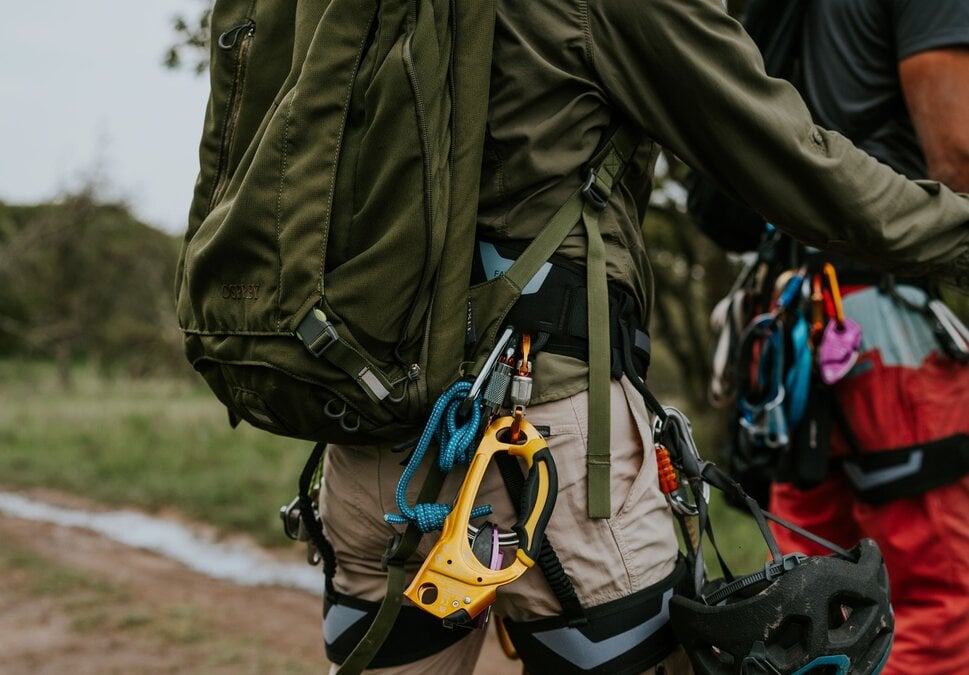
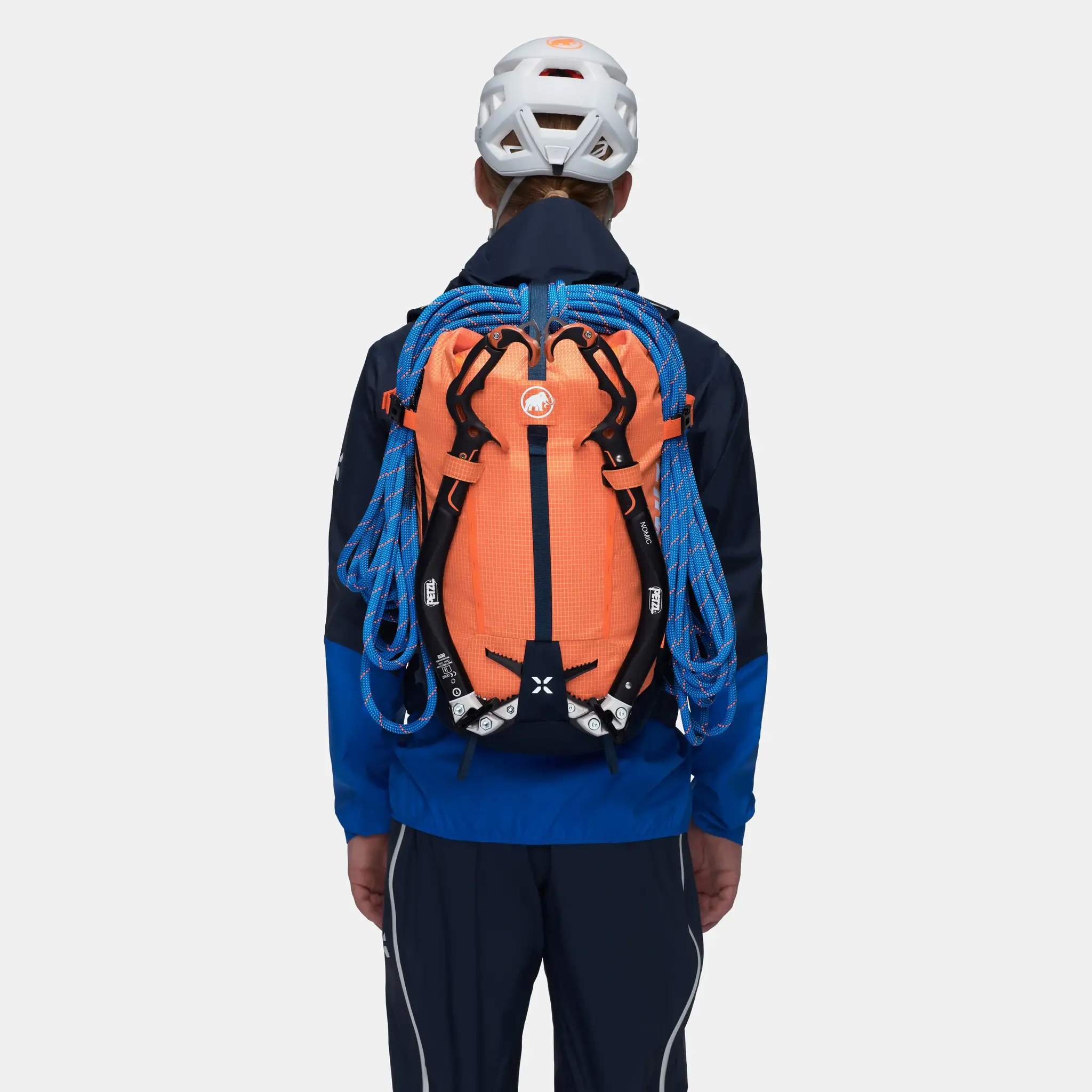
Alpine packs are smaller, narrower, and tougher. 25 to 35 liters is the sweet spot. They strip down to a minimum: low-profile hipbelt, side compression, ice axe loops, helmet attachment. They're built to climb with, meaning you can wear them up a multi-pitch route without the pack snagging on rock or fighting your harness.
Rope bags are the lightest option. They hold a rope, a tarp to keep dirt off it, and not much else. Sport climbers use them for roadside crags where the rope, harness, shoes, and chalk bag are all you need.
Alpine Packs: Built for Multi-Pitch and Approach Trails
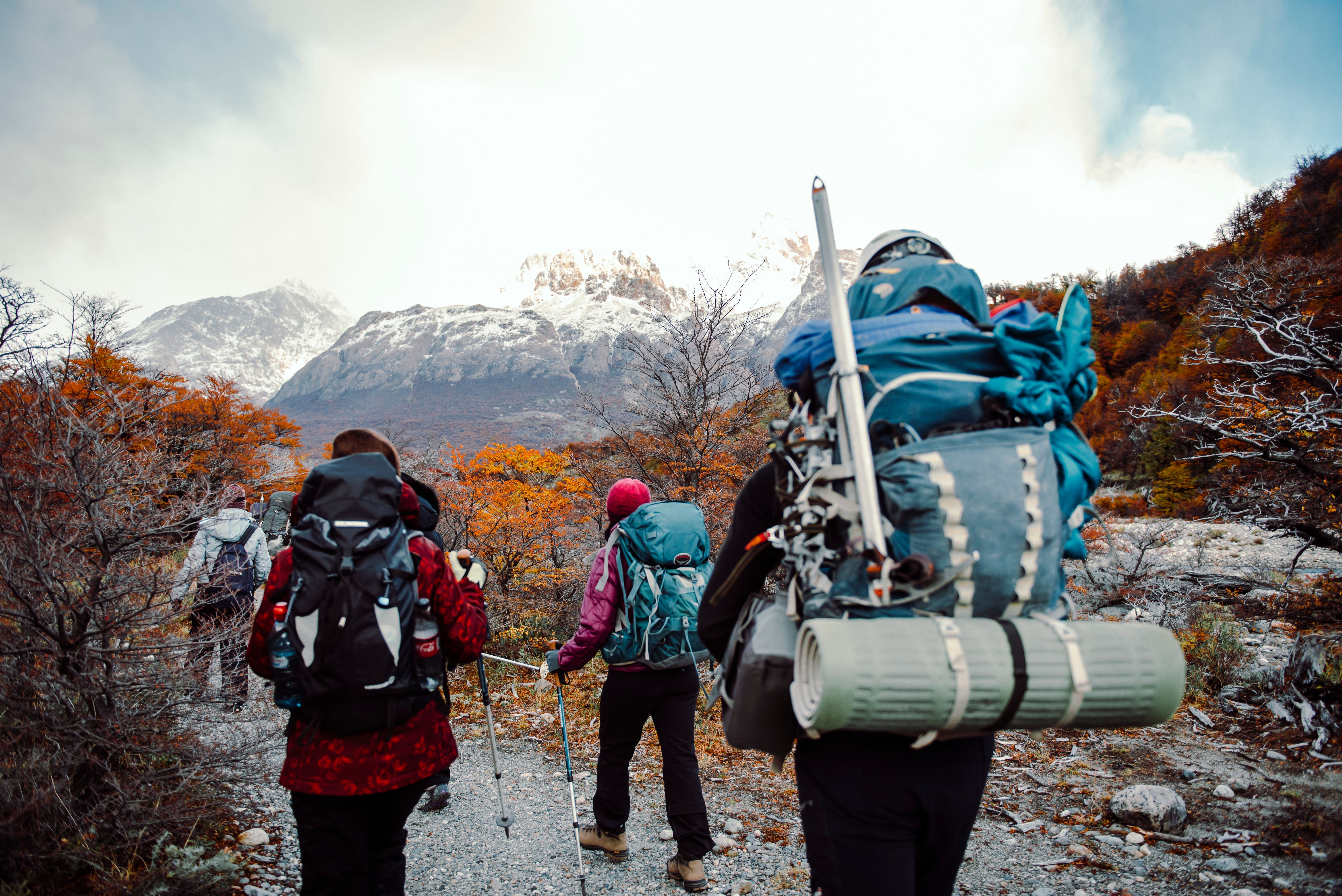
Alpine packs solve a specific problem: you need to carry serious gear to the base of a route, then climb with the pack still on your back. That changes everything about the design.
The hipbelt either disappears or strips off. A regular hiking hipbelt would sit right where your climbing harness sits, and the two would fight each other every time you racked or unracked gear. Alpine packs use a webbing hipbelt that takes load on the approach and gets out of the way on the wall.
The profile is narrow. Wide packs catch on rock, throw off your balance on technical moves, and snag on cracks. A narrow alpine pack lets you climb cleanly, even on overhanging or chimneying terrain.
External attachment is everywhere. Ice axe loops, helmet straps, daisy chains for racking quickdraws, side compression to lock down a foam pad. These aren't options on an alpine pack. They're the whole point.
The Mammut Trion 28, Deuter Guide 30, and CAMP Summit 30 all fit this category at our shop. They're not the cheapest packs in our climbing packs collection, but they're the ones built to climb with.
Rope Bags: When You Don't Need a Real Pack
Rope bags are wildly underrated by new climbers. They look like a duffel with a tarp inside, which is exactly what they are. But for sport climbing at a single-pitch crag, they're often all you need.
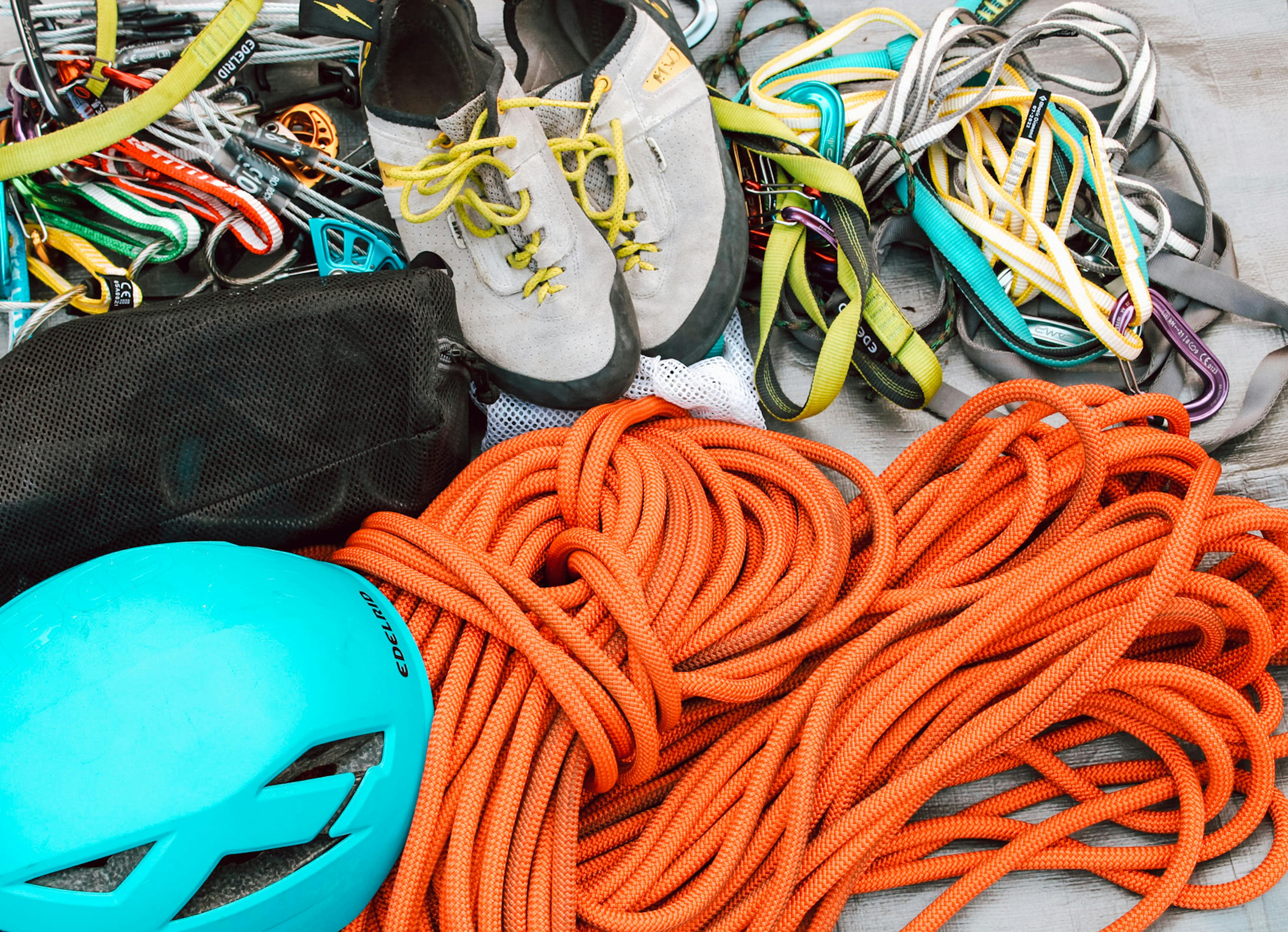
A rope bag holds your rope, a harness, climbing shoes, chalk bag, and maybe a snack. The built-in tarp unfolds to keep your rope off dirt and grit while you climb. When you're done, you stack the rope back on the tarp, fold it up, and walk out.
The advantages: light, simple, fast to pack, and you'll never tangle your rope. The trade-offs: no real carry comfort for long approaches, no organization for hardware, and zero attachment points for ice axes, helmets, or extras.
The Petzl Kliff Rope Bag is a good example. It's $90, holds the basics, and if your climbing happens within a 10-minute walk of the car, it might be all you ever need. We stock a small selection in our rope bags collection.
Crag vs. Alpine vs. Rope Bag: Side-by-Side
The fastest way to see the differences is in a table.
| Feature | Crag Pack | Alpine Pack | Rope Bag |
| Volume | 40-50L | 25-35L | 25-35L (mostly rope) |
| Approach distance | Short to medium | Short to long | Very short |
| Climb with pack? | No | Yes | No |
| Hipbelt | Padded | Stripped or removable | Strap only |
| Ice axe loops | Sometimes | Always | No |
| Helmet attachment | Sometimes | Always | No |
| Built-in rope tarp | Often | Rarely | Always |
| Best for | Sport, top-rope, gym | Multi-pitch, alpine, mixed | Sport at roadside crags |
| Price range | $90-$240 | $160-$240 | $70-$95 |
If you climb both styles, an alpine pack does most jobs. It carries less than a crag pack, but it carries cleaner, and you can use it for everything from sport days to alpine starts.
What size climbing pack do I need?
Match pack size to route length, not just climbing style. For sport days and single-pitch trad, 25 to 35L covers gear with room to spare. For multi-pitch days and long approaches, 30 to 40L gives space for layers, food, water, and a small first-aid kit. For mountaineering or overnight alpine, 40 to 55L is the right range.
A pack that's too big tempts you to overpack and slows you down. A pack that's too small forces gear onto the outside, where it snags. Most climbers find that 30L is the do-everything size for day routes in New England: enough for a sport rack, harness, shoes, helmet, snacks, and a layer, without the bulk of a mountaineering pack.
Can I use a regular hiking pack for climbing?
You can, for short approaches and gym-to-crag days. But you'll feel the difference fast. Hiking packs lack gear loops, ice axe attachments, and helmet holders. The hipbelt often sits where your harness sits. Wide hiking packs snag on rock.
For sport climbing at roadside crags, a day pack works fine. The pack just sits at the base of the route. Once approaches get longer, terrain gets steeper, or you need to climb with the pack on, a dedicated climbing pack pays for itself in comfort and speed. The lack of gear loops alone is enough to push most climbers toward a real climbing pack within their first year.
Where to Start
If you're still deciding, look at where you climb most often. Sport at the crag, trad at multi-pitch, or alpine routes: each one points to a different pack. Browse the climbing packs collection to compare options across brands, or stop into our Bangor or Bar Harbor store and we'll walk you through fit and features.
For more on what to look for once you've picked your style, see our guides on essential features in technical climbing packs and what to carry for sport, trad, and alpine routes.
Leave a comment
Recent articles
View all