
Essential Features in Technical Climbing Packs: What Makes Them Different
Key Takeaways
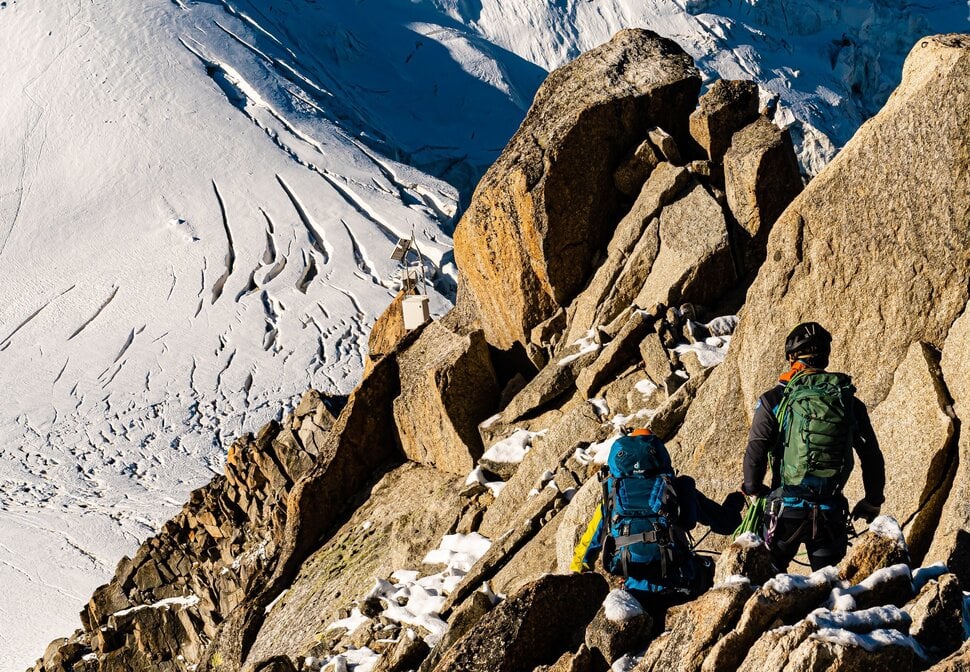
- Technical climbing packs differ from hiking packs in seven ways: gear loops, ice axe loops, helmet holders, rope strap, stripped hipbelt, narrow profile, and reinforced contact points.
- The hipbelt is the biggest functional difference. Climbing packs strip the hipbelt down or make it removable so it doesn't fight your harness when you rack gear.
- A narrow shoulder profile keeps the pack from snagging on rock or throwing off your balance on technical moves and chimneys.
- Reinforced fabric on the bottom and side panels matters more than total fabric weight. These are the contact points when the pack sits on rock at belay ledges.
- A helmet holder isn't optional for multi-pitch days. Clipping a helmet to a daisy chain bangs it against rock and shortens its safe lifespan.
Look at a climbing pack and a hiking pack side by side and you'll spot the differences in seconds. But the design choices aren't always obvious. Why does the hipbelt look stripped down? What are those loops on the side? Why is the pack narrower at the shoulders?
This guide breaks down the technical climbing pack features that make a dedicated pack work on the wall, so you know what you're paying for when you shop the climbing packs collection and what to actually look for.
What Makes a Pack "Technical" in the First Place
A technical climbing pack is built to function while you climb, not just while you walk. That single requirement drives every design choice.
A hiking pack assumes you'll set it down before doing anything athletic. The hipbelt is padded for long miles. The shoulder straps are wide. The pack is shaped to carry weight comfortably for hours. That's a great design for a long trail.
A climbing pack assumes the opposite. The pack might be on your back during a 5.8 chimney, a steep mixed pitch, or a multi-pitch route where every snag costs time. So it gets narrower, stripped down, and built around features that climbers need at belay stances, not at trailheads.
The shorthand: hiking packs carry. Climbing packs climb.

The 7 Features That Separate Climbing Packs from Hiking Packs
Here's what to look for, in order of importance:
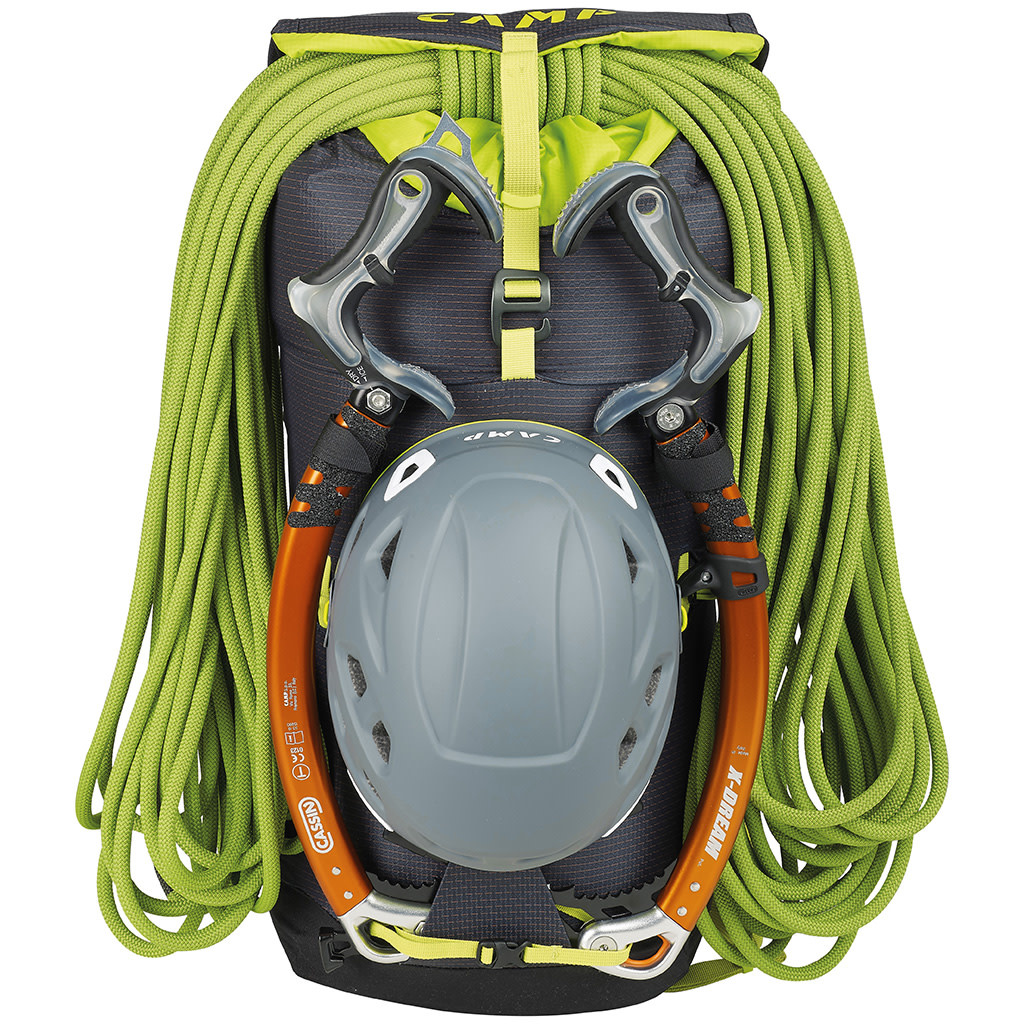
- Gear loops or daisy chains. Webbing loops on the outside of the pack let you rack quickdraws, slings, and small gear when your harness is full. Look for at least two daisy chains down the front or sides.
- Ice axe loops. Reinforced webbing loops at the base of the pack with a bungee or strap at the top hold an ice axe in place during the approach. Most alpine packs include two, one for technical ice climbing.
- Helmet attachment. Either an external bungee shell or a stowable mesh pouch. Keeps your helmet clipped to the outside of the pack instead of banging against the back of your head or hooked to a gear loop.
- Stripped or removable hipbelt. A webbing hipbelt that takes weight on the approach but tucks out of the way at the base. Padded hipbelts fight your harness for the same real estate.
- Side compression and rope strap. Compression cinches the pack tight when you're carrying less. A rope strap across the top lashes your rope to the pack for the approach.
- Narrow profile. Shoulders should be no wider than your own. A wide pack snags on rock and throws off your balance.
- Reinforced bottom and side panels. Climbing packs spend a lot of time set on rock at belay ledges. The bottom takes a beating. Heavier fabric on contact points extends the pack's life.
You don't need all seven on every climb. But the closer your pack gets to having all of them, the more it crosses over from a hiking pack into a real climbing pack.
Why Hipbelts on Climbing Packs Are Different
The hipbelt is the single feature that most distinguishes climbing packs from hiking packs. The reason is mechanical: a climbing harness and a hiking hipbelt occupy the same space on your hips.
When you rack a cam, clip a quickdraw, or grab gear off your harness mid-pitch, you need clear access to the gear loops on your harness. A padded hiking hipbelt covers them. Even if you can move the hipbelt up or down, it shifts your harness position and changes how your gear sits.
Climbing packs solve this in two ways. Some use a thin webbing belt that wraps your hips without bulk, so it slides above or below your harness without conflict. Others make the hipbelt removable: you wear it on the approach and stuff it inside the pack when you start climbing. The Deuter Guide 30 and CAMP M-Tech 22L both use this approach.
For day-cragging where you don't climb with the pack, this matters less. For multi-pitch and alpine routes where the pack is on your back during pitches, the hipbelt design is a make-or-break feature.
Why are technical climbing packs so expensive?
Technical climbing packs cost $150 to $250 because they use heavier reinforced fabric at contact points, more attachment hardware (gear loops, ice axe loops, helmet straps), and engineered hipbelt and frame systems that fold or strip away cleanly. Volume for volume, they cost more than hiking packs.
You're not paying for a logo. You're paying for materials and labor that hold up under conditions that destroy regular packs. A climbing pack spends time pressed against rock at belay ledges, dragged through chimneys, and weighted with sharp metal hardware. The reinforced fabric on the bottom and sides isn't decorative. It's what keeps the pack functional for a decade instead of a season. PFAS-free coatings on packs like the Deuter Guide series are another cost driver: cleaner waterproofing chemistry costs more than older treatments.
Do I need a helmet attachment on my climbing pack?
If you climb multi-pitch routes, yes. If you only sport-climb at the gym or short single-pitch crags, you can clip your helmet to a daisy chain or stash it inside the pack. The need scales with how often you carry the helmet outside.
A dedicated helmet attachment matters because climbing helmets have a finite safe lifespan. They're built to absorb a single significant impact, and they degrade with smaller impacts too. Clipping your helmet to a daisy chain means it bangs against rock on every approach. The foam liner takes hits, the shell scuffs, and the warranty often shrinks the older the helmet gets. A real helmet pouch or shell sleeve keeps the helmet still and protected, which is the whole point of carrying it on the outside in the first place.
Features That Earn Their Keep
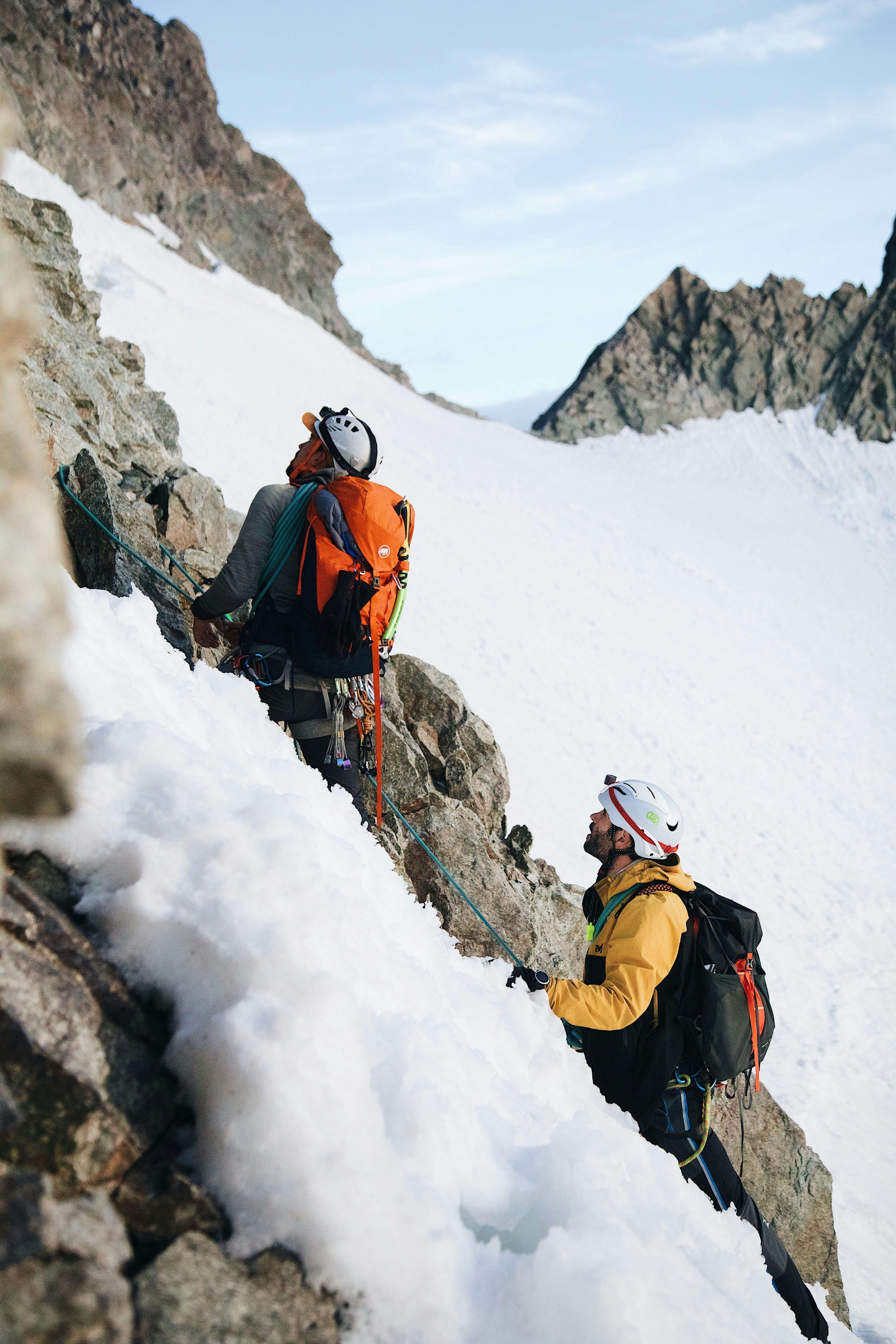
The features that make a climbing pack technical aren't gimmicks. They're answers to specific problems that show up on real climbs: racking gear with a harness on, carrying a helmet without ruining it, climbing without the pack snagging. Browse the climbing packs collection and you'll see how each brand approaches these features differently.
If you're not sure which features you actually need, our guide to choosing a climbing pack walks through which type fits which kind of climbing. Once you've sorted out the pack, what to carry inside it is the natural next step. Stop into our Bangor or Bar Harbor store to see the features in person.
Leave a comment
Recent articles
View all