Spring Hiking in Maine: Choosing Footwear for Mud Season
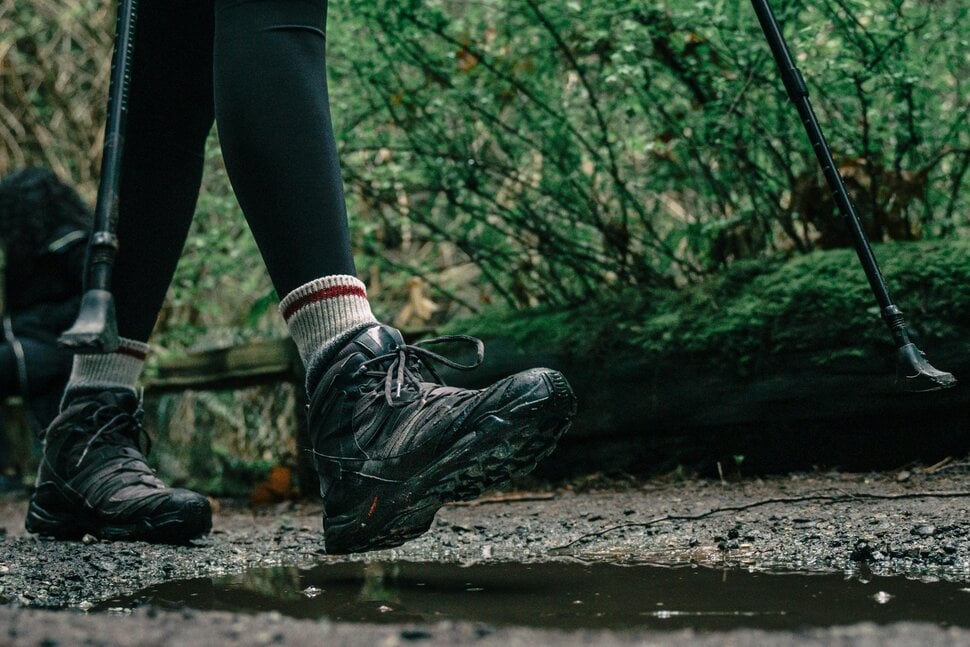
Ask any Mainer about mud season and you'll get a knowing look. It's that stretch from late March through May when winter's grip loosens but the ground hasn't quite made up its mind yet. Trails that were frozen solid in February turn into ankle-deep muck. Rock slabs get coated in a thin, invisible layer of moisture. And the weather can swing from sunny and 55°F to sleet by afternoon.
Choosing the right footwear for spring hiking in Maine isn't just about comfort — it's about staying safe on trail. Here's what you actually need to know.
Understanding Maine's Mud Season: What to Expect on Trails
Mud season in Maine typically runs from late March through May, though higher elevations — Katahdin, the Bigelow Range, the White Mountains just over the border — stay wetter longer.
What makes Maine mud season distinct:
- Freeze-thaw cycles make trail conditions unpredictable hour to hour
- Snowmelt saturates the ground from above while frozen subsoil blocks drainage from below
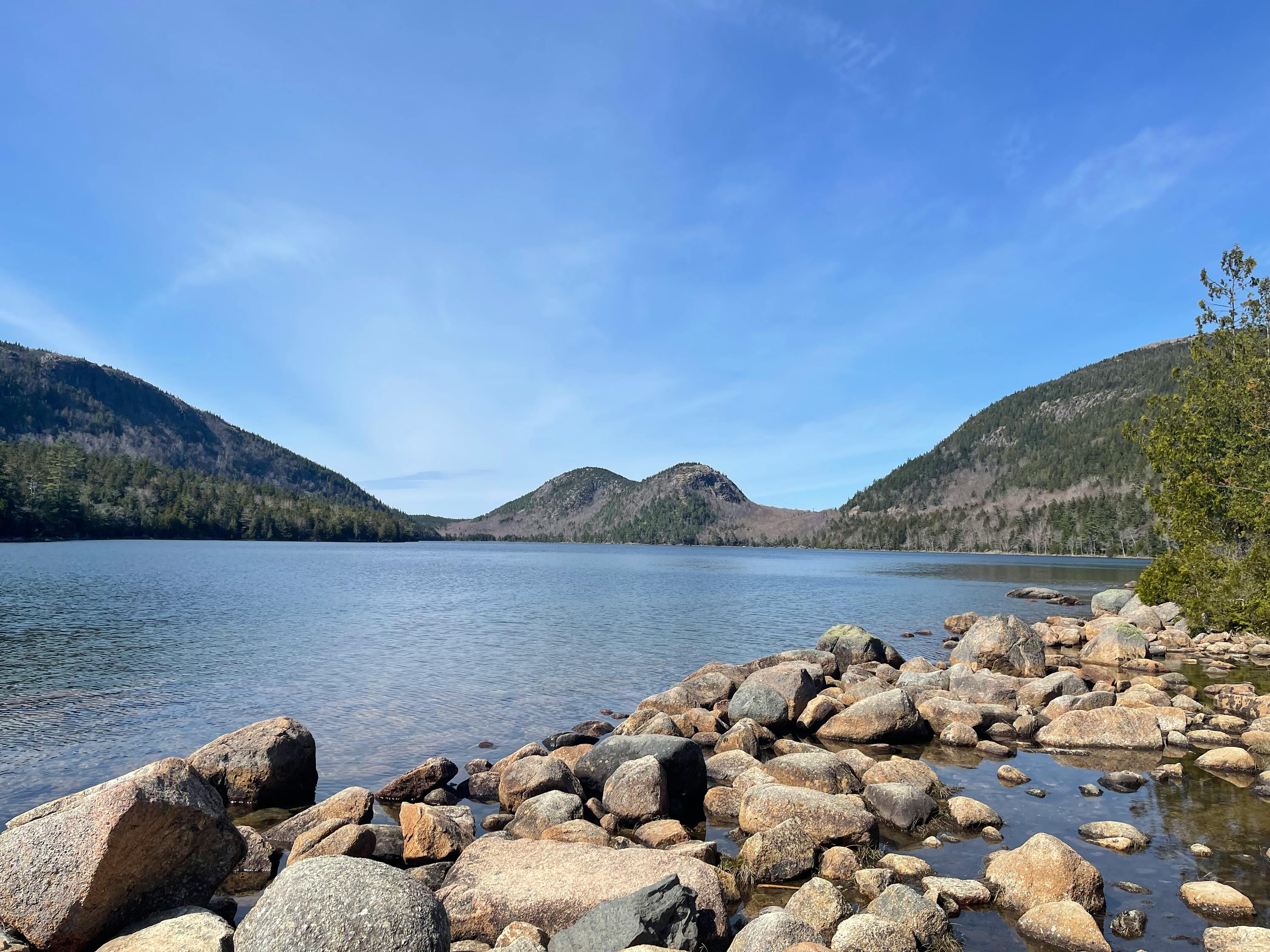
- Popular trails like those in Acadia may have drier sections one day and running water the next
- Coastal areas add fog and humidity that keeps surfaces wet longer
Many trail systems in Maine ask hikers to avoid certain trails during mud season entirely — not to be difficult, but because foot traffic on saturated trails causes lasting erosion damage. When trails are open, the right gear makes a real difference.

Waterproof vs. Water-Resistant: What You Really Need
This is the question we get every spring. And the honest answer is: for Maine mud season, waterproof is almost always worth it.
Here's the practical difference:
- Water-resistant shoes use a DWR (Durable Water Repellent) coating that sheds light rain and surface moisture. Fine for dry trails with the occasional puddle.
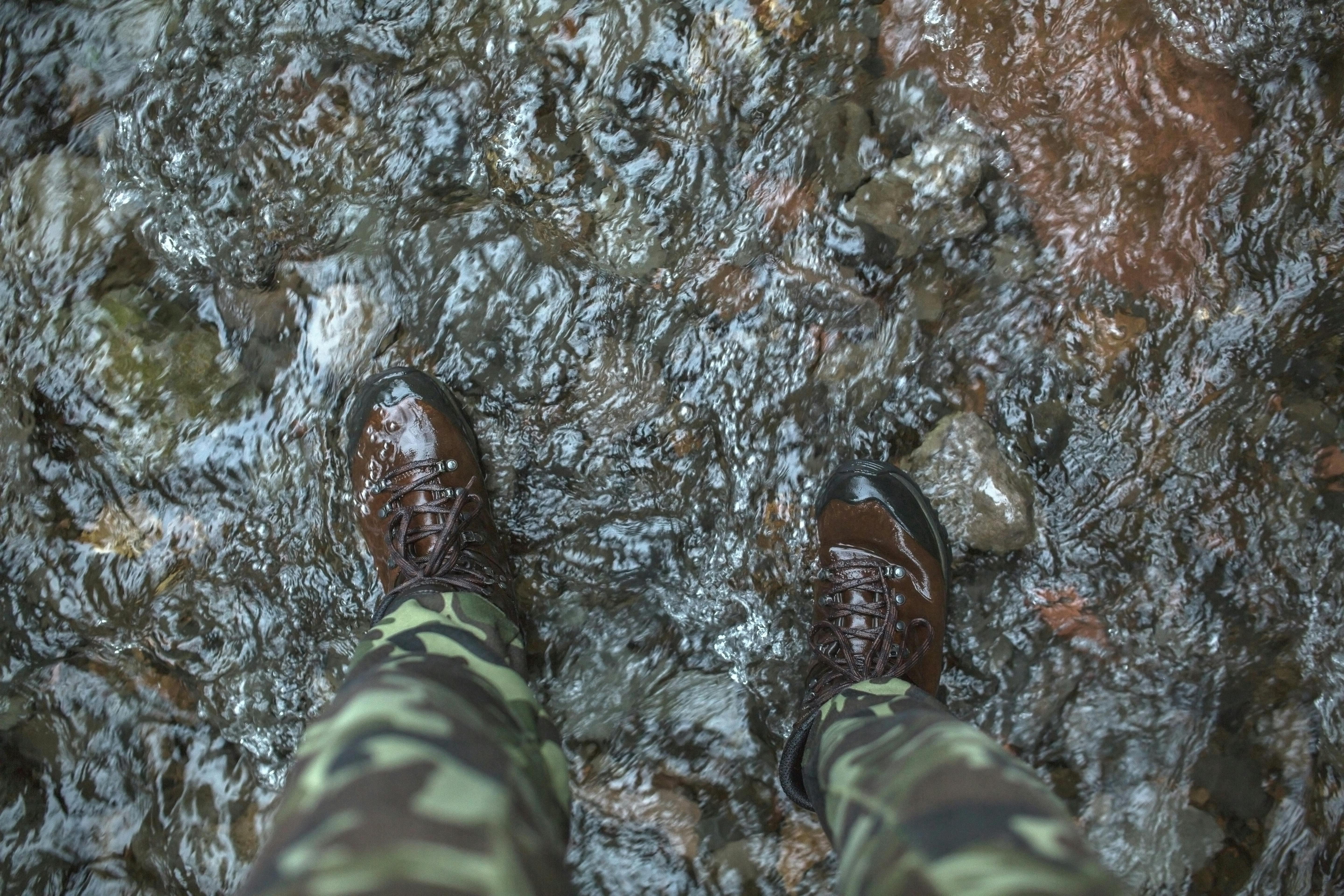
- Waterproof boots use a waterproof-breathable membrane (Gore-Tex is the most well-known) bonded inside the shoe. They block sustained moisture — creek crossings, standing water, prolonged rain.
For mud season hiking, you're going to be stepping into standing water, slogging through saturated trail sections, and dealing with persistent moisture. Water-resistant shoes will be soaked through within an hour. A waterproof membrane keeps your feet dry for the full day.
The tradeoff with waterproof boots is breathability — they run slightly warmer. In late spring when temps climb, this can be a consideration. But for April and early May in Maine, most hikers find the dry feet worth the trade.
Both our women's hiking shoes and men's light hiking shoes collections include waterproof options — look for "GTX" or "WP" in the product name.
Traction Features for Slippery, Muddy Spring Trails
Mud and wet rock are two different traction problems, and good spring footwear handles both.
For muddy trails:
Look for outsoles with deep, widely-spaced lugs — the raised rubber knobs on the bottom of the boot. Deeper lugs bite into soft ground. Wide spacing between lugs means mud clears out with each step instead of packing in and turning your outsole into a slick platform.
Vibram is the gold standard for outsole rubber, used by many of the brands we carry. On muddy terrain, it grips reliably.
For wet granite and rock slabs:
This is where Maine gets tricky. Wet granite — especially the kind you find all over Acadia — is notoriously slippery. The same lug pattern that works in mud can actually reduce grip on smooth wet rock because there's less rubber contact surface.
For rock slab terrain, look for boots with a shallower, multi-directional lug pattern and high-friction rubber compound. Some boot brands specifically note their grip ratings on wet rock — worth paying attention to if you're planning any Acadia hikes.
Ankle Support Considerations for Unstable Terrain
Spring trail conditions create a strong argument for mid-cut or high-cut boots over low-cut trail shoes — at least for certain types of hiking.
Here's the thing about muddy terrain: you often can't see what's under the mud. Roots, rocks, uneven ground — it's all hidden. Your ankle rolls more easily when you can't anticipate what your foot is landing on.
Mid-cut boots (rising above the ankle) provide meaningful lateral support without the stiffness of full backpacking boots. They're the sweet spot for most spring hiking in Maine — supportive enough for uneven, slippery terrain, but still light and nimble for longer day hikes.
Low-cut trail shoes are fine for well-maintained, relatively dry trails — carriage roads, Acadia's easier paths. But for anything with significant elevation change, muddy sections, or loose terrain, a mid-cut is worth considering.
Breathability vs. Protection: Finding the Spring Balance
Maine spring hiking asks your footwear to do contradictory things: keep water out while staying breathable enough to not cook your feet on the uphill.
The truth is, no boot does both perfectly. But here's how to think about it:
- April in Maine: Prioritize waterproofing. Temperatures are still cool, breathability is less critical, and conditions are at their wettest.
- Late May/early June: As temps climb, breathability matters more. A lighter waterproof shoe (low-cut GTX) or a very water-resistant trail shoe may feel better on warm days.
- Multi-day trips: Waterproof boots that get wet inside (from sweat or a bootful of water) take much longer to dry than non-waterproof mesh boots. Factor this in for overnight trips.
Pairing your boots with the right women's hiking socks matters here too — merino wool manages moisture and regulates temperature better than cotton.
Best Trails for Spring Hiking in Maine (And What They Require)
Not all Maine trails are created equal in spring. Here's a quick breakdown:
- Acadia National Park carriage roads: Generally excellent spring conditions. Hard-packed gravel surface drains well. Great for trail shoes or light waterproof hikers.
- Acadia mountain trails (Gorham, Beehive, Champlain): More exposed granite and some exposed ledge. Check trail conditions before you go — some ladder sections can be slippery. Mid-cut with solid rock traction recommended.
- Inland Maine trails (Camden Hills, Grafton Notch): Expect deeper mud, more root exposure, and saturated sections. This is where waterproof mid-cuts really earn their keep.
- Higher elevation (Katahdin, Bigelow): Can still have snow and ice well into May. Not the place for trail shoes — waterproof mid or high-cut boots, plus traction devices.
Pairing Footwear with Gaiters and MICROspikes for Variable Conditions
Spring hiking in Maine often means layering your gear just like you layer your clothing.
Gaiters
Low gaiters (ankle height) are underrated for mud season. They seal the gap between boot and sock, keeping out mud, water, and debris. If you're hiking anywhere with significant mud, they're worth throwing in your pack. Check out our footwear accessories section for gaiter options.
MICROspikes
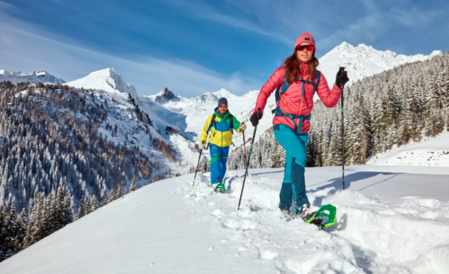
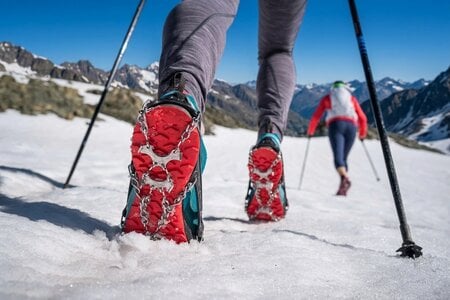
For early spring, when trails at higher elevation or shaded areas still have ice patches, MICROspikes are the responsible call. They slip over your boots and provide significant grip on hard-packed snow and ice — and they fold into a small bag that fits in any daypack.
If you're planning any hiking in April or early May above 2,000 feet in Maine, pack MICROspikes even if you don't expect to need them. Conditions change fast.
Ready to gear up for spring? Browse our full selection of women's hiking shoes and men's light hiking shoes — and if you need help choosing, our Bangor and Bar Harbor staff know these trails personally.
Leave a comment
Recent articles
View all