Hiking Footwear for Acadia National Park: Trail-by-Trail Recommendations
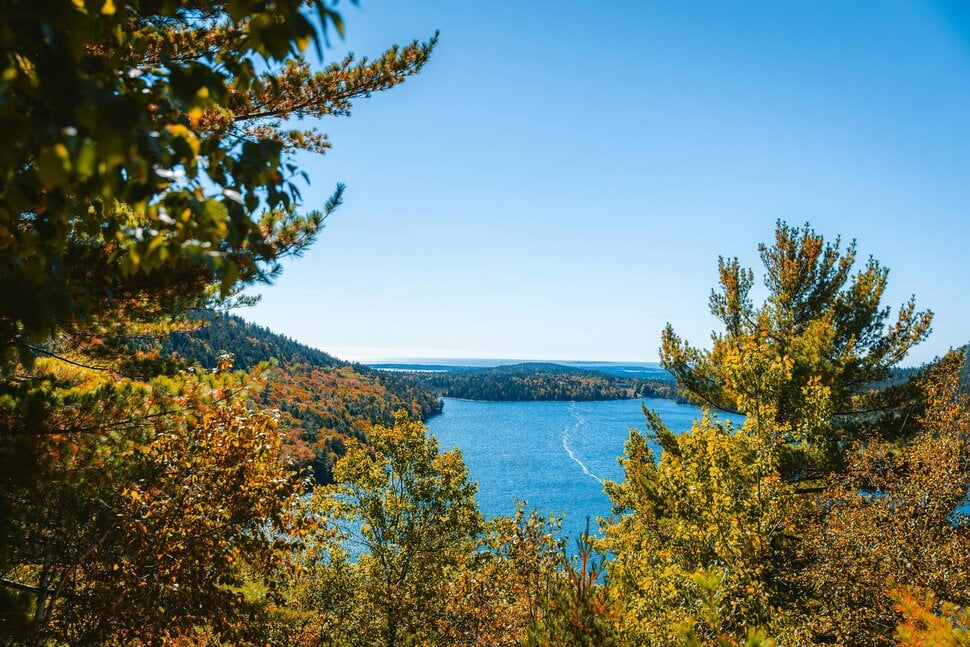
Acadia National Park covers roughly 47,000 acres of Mount Desert Island, and no two trails are alike. In the same day, you might walk a smooth carriage road, scramble up granite slabs using iron rungs bolted into the cliff face, and pick your way across a rocky summit in fog that rolled in without warning.
The footwear question — "what shoes do I need for Acadia?" — doesn't have one answer. It has several. This guide breaks it down by trail so you can choose the right pair before you arrive.
Understanding Acadia's Unique Terrain
Acadia sits on the coast of Maine, and that coastal location shapes everything about the conditions you'll encounter:
- Granite dominates. Most of Acadia's mountain terrain is bare granite — smooth, exposed bedrock that becomes extremely slippery when wet.
- Weather moves fast. Ocean fog can blanket the island in minutes. A sunny morning can turn to drizzle by noon, changing trail conditions dramatically.
- Technical sections are common. Several of Acadia's most popular trails include iron rung ladders, steep rock faces, and hand-over-hand scrambling sections that genuinely require grip and ankle stability.
- Carriage roads offer a completely different experience. 45 miles of hard-packed gravel carriage roads allow for pleasant hiking, cycling, and horse-drawn carriage rides with no technical terrain whatsoever.
Knowing which type of terrain your trail involves is the starting point for choosing your footwear.
Traction Requirements for Wet Granite and Exposed Rock
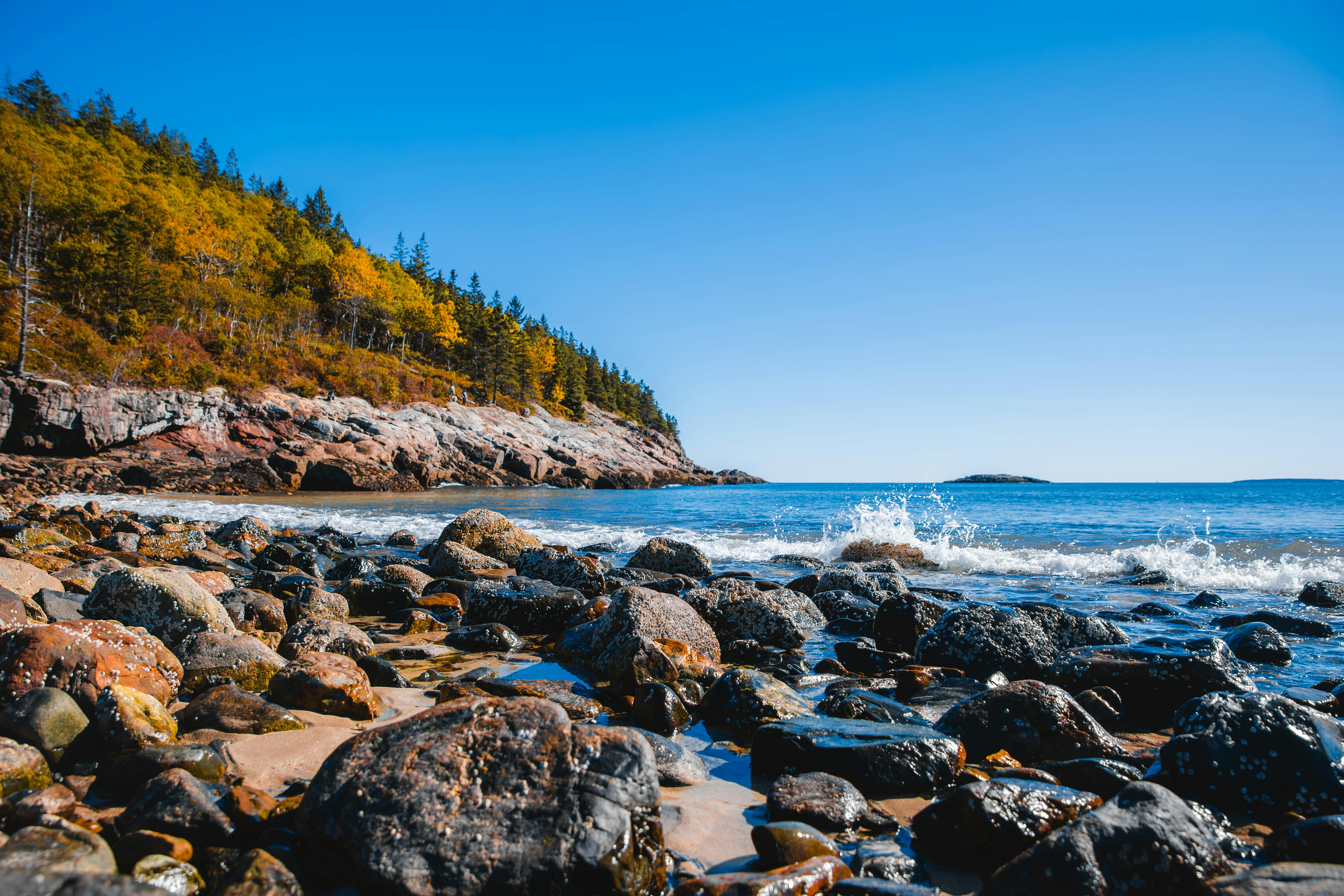
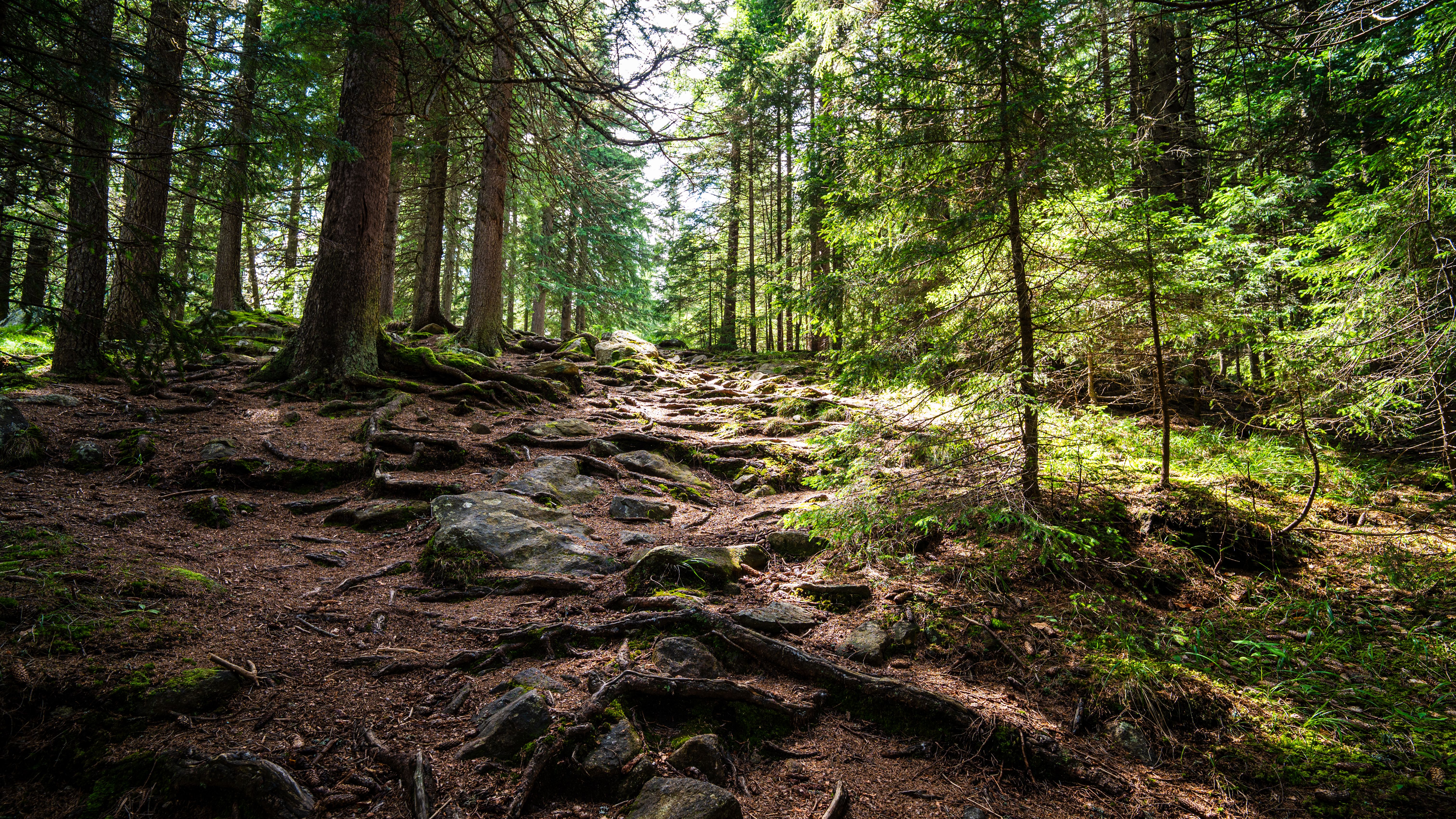
Wet granite is the defining challenge of Acadia hiking. It looks like it should have traction — it's rough, textured rock. But granite's crystalline surface becomes almost frictionless when wet, especially on angled slabs.
What you need for wet granite:
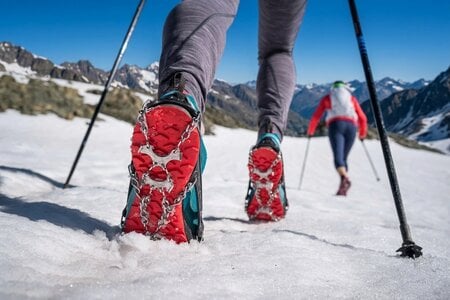
- High-friction rubber outsole — not all outsoles are equal on wet rock
- Decent sole contact patch — the more rubber touching the rock, the better
- Multi-directional lug pattern for varying approach angles
Brands known for strong wet-rock grip include Salomon (Contagrip outsoles), Oboz (proprietary lug patterns), and La Sportiva (particularly their approach and trail shoes). Smooth-soled sneakers are genuinely dangerous on wet Acadia granite — we see it every season.
Browse our women's hiking shoes and men's hiking shoes collections for footwear with the grip ratings Acadia demands.
Trail-by-Trail Footwear Recommendations
Precipice Trail — Most Demanding
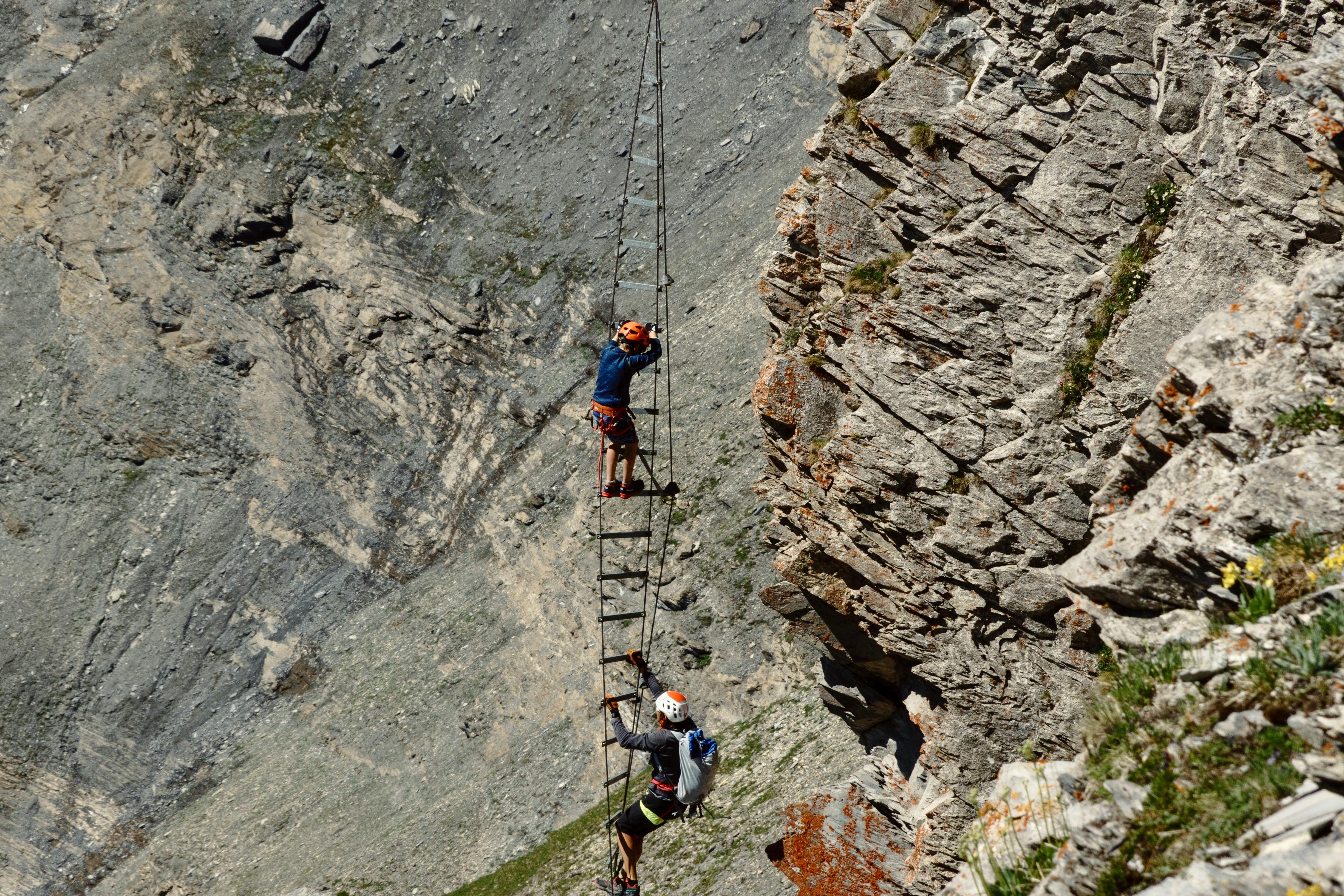
The Precipice is Acadia's most technical trail: a 1.6-mile route up the east face of Champlain Mountain involving near-vertical iron rung ladders, exposed ledges, and hand-and-foot scrambling. This is not a nature walk.
Footwear recommendation: Mid-cut hiking boot with excellent ankle support and aggressive wet-rock grip. A low-cut trail shoe is workable for experienced scramblers but leaves your ankle more exposed on the vertical sections. Approach shoes (the category between hiking shoes and climbing shoes) are ideal here — technical grip with enough protection for the approach.
The Precipice closes every spring during peregrine falcon nesting season (typically April through mid-August) — check NPS trail status before planning your visit.
Beehive Trail — Challenging
Similar in character to the Precipice but shorter and slightly less exposed. The Beehive features iron rung sections, open ledge scrambling, and impressive views of Sand Beach. It's genuinely challenging — not a trail for flip-flops.
Footwear recommendation: Same as the Precipice. A mid-cut boot with solid grip is the right call. If you're comfortable in a low-cut trail shoe with good traction and you've done similar scrambles before, that can work — but err toward more support.
Cadillac Mountain — Summit Routes
Cadillac's summit can be reached by road or by trail, and the trail options vary significantly. The South Ridge Trail is a long, gradual route with moderate terrain. The North Ridge and West Face trails are shorter but steeper with more exposed granite.
Footwear recommendation: Low to mid-cut hiking shoe depending on which route you choose. The South Ridge is manageable in a well-gripping trail shoe. North Ridge and West Face benefit from mid-cut support. All Cadillac routes involve open granite — grip matters on any of them.
Jordan Pond and Carriage Roads — Easiest
The Jordan Pond Path is a 3.2-mile loop on a smooth, well-maintained trail around the pond. The carriage roads that crisscross the park are hard-packed gravel — wide, smooth, and easy underfoot.
Footwear recommendation: Trail shoes, comfortable sneakers, or even supportive walking shoes work fine here. This is the exception in Acadia — you don't need technical footwear for these routes. Comfort and cushioning matter more than grip.
Ocean Path — Coastal Walk
A flat, easy 4-mile round-trip path along the coast between Sand Beach and Otter Cliff. Mostly packed gravel and paved sections.
Footwear recommendation: Any comfortable walking shoe. Waterproof is handy if fog is rolling in, but not required.
Ankle Support for Technical Ladder and Rung Sections
The iron rung sections on the Precipice and Beehive are where footwear choice has real safety consequences.
When you're on a vertical ladder section, your foot is perpendicular to the rung — you're essentially standing on the edge of your sole. A stiff midsole gives you a platform to stand on. A very flexible trail runner can fold around the rung uncomfortably and make footing less secure.
Beyond midsole stiffness, ankle support matters when you're moving laterally across rock faces. Lateral ankle rolls happen when your foot lands on an angled surface and your ankle buckles outward. A mid-cut collar supports against that movement.
This doesn't mean you need a heavy mountaineering boot. Modern mid-cut hiking shoes are light enough that you won't notice the extra material — but you'll be glad it's there if you slip on a rung.
Dealing with Coastal Fog, Variable Weather, and Quick Changes
Acadia's coastal location means weather changes faster than most parks. Here's how to prepare your footwear strategy:
- Waterproof or water-resistant? For summer hiking in dry conditions, water-resistant trail shoes are comfortable and breathable. But if you're hiking in spring, fall, or any time fog is forecast, waterproof is worth it. Wet granite is significantly more dangerous than dry granite.
- Pack for condition changes. Bring extra hiking socks in your daypack. If your shoes get soaked, dry socks mid-hike make a meaningful difference.
- Morning dew. Even on clear days, granite and vegetation hold overnight moisture until mid-morning. Plan early starts with grip in mind.

Lightweight vs. Supportive: Matching Shoes to Your Acadia Adventure
Acadia is one of the more accessible national parks — shorter trails, well-maintained routes, and a wide range of difficulty. That makes the lightweight vs. supportive question worth thinking through.
Go lighter if you:
- Are sticking to carriage roads, Ocean Path, or Jordan Pond
- Have strong ankles and trail experience
- Are prioritizing comfort on longer mileage days
- Are hiking in dry summer conditions
Go more supportive if you:
- Are tackling the Precipice, Beehive, or any ladder section trail
- Are hiking in wet or foggy conditions
- Are carrying a daypack with more than 15 lbs
- Are newer to hiking and still building trail confidence
Local Expert Tips for Hiking Acadia
Alpenglow has been outfitting hikers for Acadia for years, and we work closely with Acadia Mountain Guides, the park's AMGA-certified guide service. A few things we consistently tell people heading to the park:
- One pair of mid-cut waterproof hikers with solid wet-rock grip will handle every trail in Acadia — from the carriage roads to the Precipice. If you can only bring one pair, that's the one.
- Acadia doesn't require heavy mountaineering boots. The trails are demanding in their own way, but they reward the right footwear — not necessarily the heaviest.
- Check the Bar Harbor forecast specifically before heading out. Coastal weather behaves differently than inland Maine and can shift fast.
- Trekking poles are worth bringing on any trail with significant elevation change. They reduce knee strain on descents and give you extra stability on wet granite sections.
Speaking of trekking poles — check out our trekking poles selection if you don't have a pair yet. They make a genuine difference on Acadia's steeper terrain.
Planning a trip to Acadia and want to make sure your footwear is dialed in? Shop our full hiking shoe collection — or stop into our Bar Harbor store before hitting the trailhead. We're close to the park, we hike these trails, and we're happy to help you pick the right pair for the routes you have planned.
Leave a comment
Recent articles
View all