Transitioning from Trail Runners to Hiking Boots: When to Make the Switch for Fall Adventures
Why fall is the season that changes everything underfoot
Trail runners can feel perfect all summer: light, quick-drying, and nimble on dry dirt and rock. Then fall hits and the same trails can turn slick with wet leaves, churned into mud by rain, or dusted with early frost. Temperatures drop, daylight shortens, and your margin for error shrinks. That’s when many hikers start rethinking their setup and asking the practical question behind every hiking footwear transition: when to switch to hiking boots?
This seasonal footwear guide breaks down what actually changes in autumn hiking footwear—traction, moisture, temperature, and pack weight—and how those factors affect the ongoing debate of trail runners vs hiking boots fall. You’ll also get a clear checklist to help you decide whether to stay in trail runners fall conditions, move to lightweight hiking shoes, or commit to waterproof hiking boots (or even cold weather hiking boots) for late-season objectives.
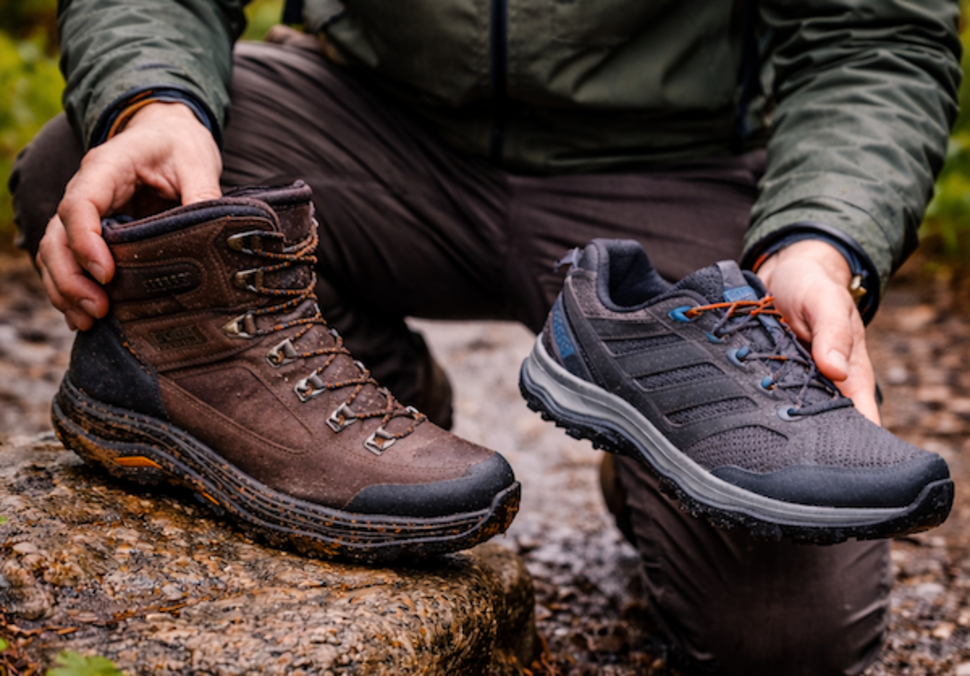
Trail running shoes vs boots: what’s really different?
There’s no single “best” answer for everyone, because trail running shoes vs boots is more about matching footwear to conditions and your body than about choosing a team. Still, the design differences matter most in fall.
- Support and structure: Boots typically have stiffer midsoles and more structured uppers. Trail runners flex more and rely more on your foot and ankle strength.
- Traction and lug design: Both can have excellent outsoles, but boots are more often paired with deeper lugs and rubber tuned for wet rock or mud.
- Water management: Non-waterproof trail runners drain and dry quickly. Waterproof membranes in boots keep external water out (until water comes in from the top), but can dry more slowly.
- Warmth: Boots generally block wind and retain warmth better—important when conditions flirt with freezing.
- Durability and protection: Boots usually offer more toe protection and sidewall durability for talus, roots, and sharp rock.
- Weight and fatigue: Trail runners feel efficient and reduce perceived effort for many hikers, especially on long days.
In other words, fall often nudges you toward more traction, more protection, and more water resistance. But it doesn’t automatically require a heavy boot—many people do great with switching hiking footwear only partway, into a light hiker, before fully switching to boots later in the season.
What changes in fall—and why it pushes the boot conversation
1) Wet leaves hide hazards and change traction
Dry leaves can be harmless. Wet leaves can feel like stepping on sheets of wax paper, especially over rock, roots, and wooden bridges. The key here isn’t just outsole “stickiness,” but also stability when your foot slides unexpectedly. A boot’s structure can help some hikers stay composed on surprise slips. If you’re staying in trail runners, prioritize aggressive lugs and confident foot placement—slow down and treat leaf cover like a potential hazard layer.
2) Mud season starts early in many places
Autumn rain can turn trail tread into deep mud, especially in low spots, near streams, and on frequently traveled routes. Trail runners fall can work in mud if they shed it well and you’re comfortable with wet feet. Boots can help if you need more underfoot support when the trail is uneven and you’re torquing through slippery steps. Traction matters more than waterproofing in true mud; a waterproof boot with shallow lugs can still skate.
3) Cold makes small problems bigger
In summer, damp socks can be annoying. In fall, damp socks can become a safety issue—numb toes reduce balance and increase blister risk. When nighttime lows dip and water crossings get colder, many hikers find that switching hiking footwear becomes less about performance and more about maintaining warmth and skin integrity.
4) Shorter days raise the cost of mistakes
Fall hikes often involve lower sun angles and earlier darkness. Getting your feet soaked late in the day or taking a slip that would be trivial in July can have bigger consequences when you still have miles to go and temperatures are dropping. This is one reason people prefer more protective fall hiking boots for shoulder-season objectives.
When to switch to hiking boots: a practical decision framework
Instead of switching by date on the calendar, use conditions and trip style. Here are the clearest signals that it’s time for a hiking footwear transition.
Switch sooner (toward boots) if most of these are true
- Consistent wet conditions: multiple rainy days, saturated ground, frequent puddles, or long stretches of wet vegetation brushing your feet.
- Temperatures: daytime highs in the 40s–50s with wind, or any realistic chance of freezing temps, especially above treeline.
- Route complexity: steep descents, slabby rock, rooty trails, talus, or sustained uneven terrain.
- Pack weight increases: extra layers, rain gear, and emergency items make your load heavier than summer day hikes.
- Foot history: recurring ankle tweaks, plantar fasciitis flare-ups, or persistent toe bang on descents.
- Long days with low margin: remote trails, limited bailout options, or late-afternoon finishes.
Stay in trail runners (or consider lightweight hiking shoes) if most of these are true
- Mostly dry trails: crisp days, good drainage, and minimal mud.
- You run warm: your feet sweat in waterproof footwear and you prefer fast-drying shoes with wool socks.
- Well-maintained terrain: packed tread, moderate grades, fewer rocks/roots.
- Light pack: you’re day hiking with minimal added fall gear.
- Strong ankles and foot comfort: you’re already adapted to lower-cut footwear and feel stable.
A note on the “middle option”
Many hikers don’t go straight from trail runners to full boots. Lightweight hiking shoes can be the best switching hiking footwear step: often grippier and more protective than trail runners, but still nimble and comfortable for big mileage. If you like the freedom of trail runners but want a bit more underfoot security for fall, consider this category before committing to a taller boot.
Waterproof hiking boots: when they help—and when they don’t
Waterproof hiking boots are often the first thing people reach for in autumn hiking footwear, and for good reason: they can keep your feet drier when you’re walking through wet grass, shallow puddles, or light rain on saturated trails.
But waterproofing is not magic. It’s a tool with tradeoffs.
Waterproof boots shine when:
- Cold + wet is the norm: you want to avoid starting the day with wet feet or losing heat through soaked socks.
- Wet vegetation: dew-covered brush or grass repeatedly wipes water onto your shoes.
- Snow flurries or slush appear: early storms can happen in late fall, especially at higher elevations.
Waterproof boots can disappoint when:
- Water gets in from the top: deep puddles, stream crossings, or heavy rain running down your legs can fill boots; once soaked, they dry slowly.
- You sweat heavily: membranes reduce ventilation, and damp-from-sweat can feel similar to damp-from-rain.
- Warm afternoons: shoulder-season days can swing from chilly mornings to mild afternoons.
If you choose waterproof footwear for fall, consider pairing it with wool socks and gaiters for wet brush or leaf-litter mud. If you stick with non-waterproof trail runners, plan for wet feet and manage warmth with sock choice and pacing.
Cold weather hiking boots: signs you’ve moved into late fall
Not all fall hiking boots are “cold weather” boots, and you don’t always need insulated models. But late fall conditions can push you toward more protection.
Consider cold weather hiking boots (or at least more weather-resistant boots) when:
- Freeze-thaw is common: icy mornings, thawed afternoons, refrozen shaded sections.
- Snow/ice is likely: you might need traction devices; boots often interface better with microspikes and similar gear.
- Your toes go numb easily: circulation and warmth become performance and safety issues.
- Long stops are part of the day: photography, summit hangs, belays, or group pacing.
- Insulation isn’t always necessary for active hiking, but wind-blocking materials, a less-meshy upper, and room for warmer socks can make a major difference in comfort and blister prevention.
Maine fall hiking: what local conditions teach about footwear
Maine fall hiking is a perfect case study for seasonal hiking gear decisions because conditions shift fast. Coastal routes can be wet and slick with sea air and leaf litter; inland trails can turn muddy after rain; higher elevations can see frost, early snow, and cold wind.
Common fall scenarios and what often works:
- Wet leaves on granite and roots: prioritize reliable traction and stability. Many hikers prefer boots or sturdier shoes here.
- Frequent rain and saturated tread: waterproof boots can be worth it if temperatures are low enough that wet feet become uncomfortable or risky.
- Mixed conditions on long days: a light hiking shoe can be the compromise—enough protection for rough sections without the bulk of a heavy boot.
- Shoulder-season cold snaps: if frost or ice is possible, boots that accept traction devices and keep your feet warmer tend to reduce stress and improve safety.
The takeaway: in Maine, the question isn’t “boots or trail runners forever,” it’s being ready to adjust your footwear as quickly as the forecast changes.
How to switch without pain: fit, break-in, and gait changes
One overlooked part of switching hiking footwear is that boots can change how you move. Even if you’ve worn boots in past years, your feet adapt to whatever you use most. If you’ve logged a full summer in trail runners, a sudden jump to stiff boots can create hot spots, shin discomfort, or knee irritation.
Tips for a smoother hiking footwear transition
- Don’t debut boots on a big descent: do a few shorter hikes first, ideally on mixed terrain.
- Check heel hold: a secure heel reduces blisters. If your heel lifts, adjust lacing before assuming the boot is wrong.
- Mind toe room: downhill toe bang often shows up in fall when trails are slick and you brake more. Make sure there’s space in front of your toes.
- Re-evaluate socks: colder air often means thicker socks. Try boots on with the socks you’ll actually hike in.
- Adjust your stride: boots can encourage heavier steps. Stay light and deliberate, especially on wet leaves.
Trail runners fall strategies: how to make them work longer
If you love trail runners and want to keep using them deeper into autumn, you can—many experienced hikers do. The key is managing moisture and warmth while respecting traction limits.
Ways to extend trail runner season
- Choose the right socks: medium-weight wool can keep feet warmer even when damp.
- Bring a dry pair: a backup sock pair can be a morale and safety boost on colder days.
- Use gaiters: they reduce debris and help with wet brush and light slush.
- Be honest about traction: if the outsole is worn down from summer miles, fall is when you’ll feel it.
- Plan for crossings: if your route includes unavoidable water, non-waterproof trail runners may be more practical than waterproof boots that could fill and stay wet.
Trail runners aren’t “wrong” for fall; they just require a little more system thinking.
Light hiking shoes vs boots: choosing the right step up
If your fall hikes are getting rougher but you don’t want a tall boot, consider lightweight hiking shoes. These often have:
- More underfoot protection than typical trail runners (helpful on rocky trails and long days).
- More durable uppers for wet brush, scree, and toe protection.
- Better stability without fully restricting ankle movement.
- They can be an ideal “bridge” in a seasonal footwear guide: trail runners in early fall, light hikers in mid-fall, and boots when temperatures and surface conditions demand more protection.
Quick checklist: when to switch to hiking boots for fall adventures
Use this as a last-minute decision tool before you head out.
- Forecast: Is it raining, near-freezing, or windy enough to chill you quickly?
- Surface: Are wet leaves, mud, or frost likely for significant portions of the hike?
- Route: Are there steep descents, exposed rock, or uneven terrain where you can’t afford slips?
- Water: Will you encounter wet brush all day, or deep crossings that could soak any boot?
- Pack: Are you carrying extra layers, traction, or emergency gear that makes your load heavier?
- Personal factors: Do your feet get cold easily, or do you have a history of ankle tweaks?
If you answered “yes” to most of these, it’s probably time to switch. If you answered “no” to most, trail runners (or light hiking shoes) may still be the best call.
Seasonal hiking gear mindset: footwear is part of a system
Footwear decisions land better when they’re tied to the rest of your seasonal hiking gear. In fall, consider how your shoes or boots interact with:
- Socks: thickness, material, and spare pairs.
- Gaiters: for mud, wet brush, and leaf litter.
- Traction devices: microspikes or similar gear when frost/ice appears.
- Pace and stop time: slow scenic hikes and long breaks demand more warmth.
Thinking this way makes the trail runners vs hiking boots fall decision clearer: it’s not just about what’s on your feet, it’s about how you’ll stay stable, warm, and comfortable for the full day.
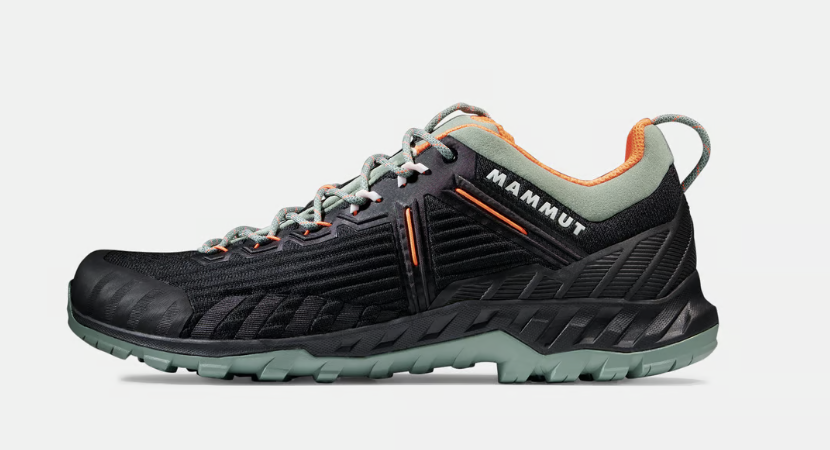
Where to explore footwear options
If you’re comparing categories as part of your hiking footwear transition, it can help to browse by type and then narrow down by fit, traction, and weather protection.
Bottom line: switching hiking footwear is about conditions, not identity
Trail runners are still a strong choice for many autumn days, especially if you prioritize speed, comfort, and a light step. But as trails turn slick with wet leaves, rain turns tread to mud, and temperatures drop, the case for boots gets stronger—particularly waterproof hiking boots when cold and wet overlap, and cold weather hiking boots when frost or early snow becomes likely.
The most reliable approach is flexible: treat fall as a transition season, watch the forecast and the trail surface, and choose the footwear that gives you the best traction, warmth, and confidence for the specific day you’re planning. That’s the real secret to a smooth hiking footwear transition—and to enjoying the best of fall without fighting your feet.
Leave a comment
Recent articles
View all
Fall Hiking Footwear Maintenance: Preparing Your Boots for Wet Leaves and Mud Season
MICROspikes vs. Trail Running Shoes: Traction Solutions for Acadia's Fall Trail Conditions