The Complete Guide to Choosing Winter Hiking Boots for Cold Weather Adventures
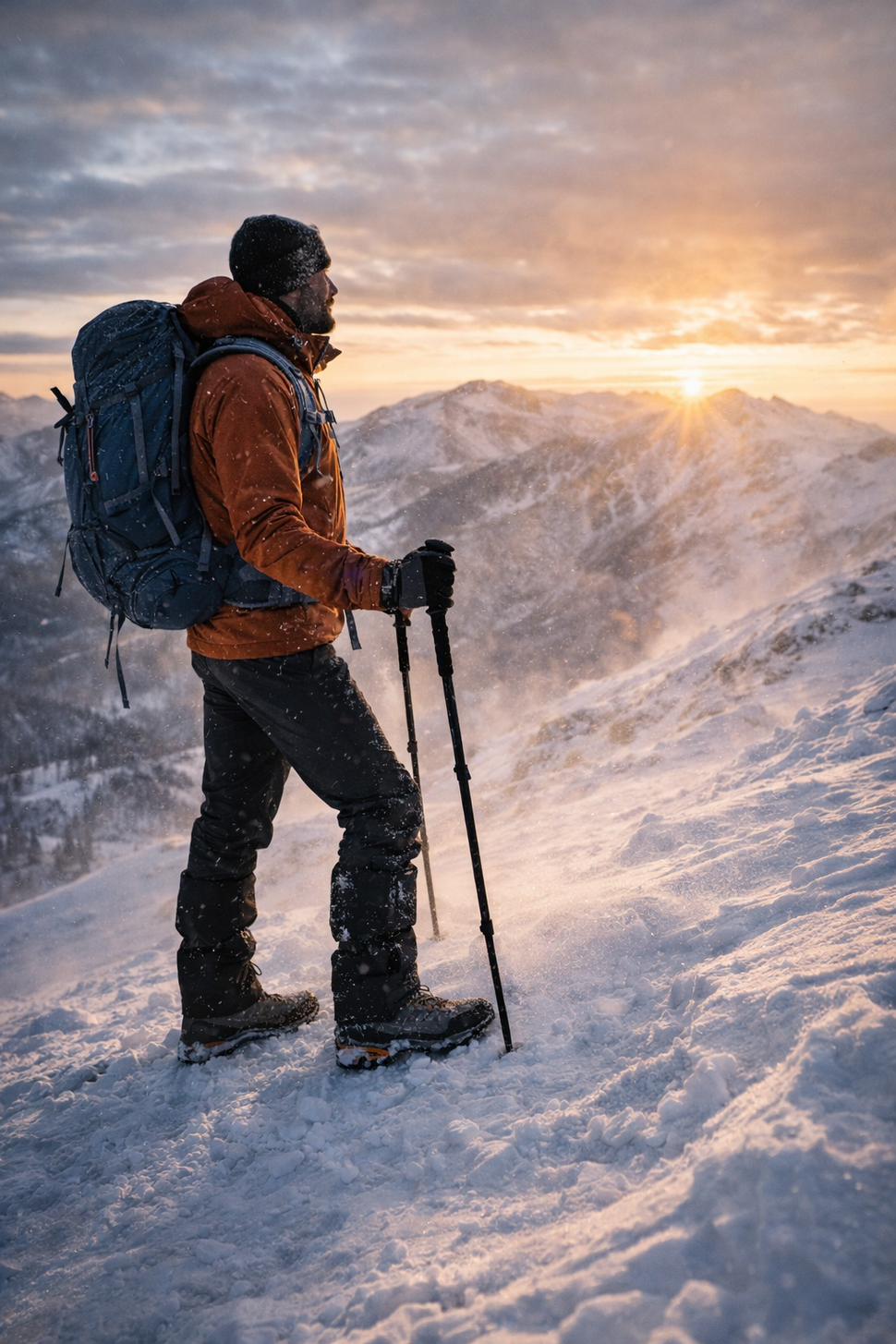
Choosing the right winter footwear can be the difference between an epic summit day and a miserable turnaround. In The Complete Guide to Choosing Winter Hiking Boots for Cold Weather Adventures, you’ll learn how to pick winter hiking boots that match your terrain, temperature, and traction needs—whether you want lightweight insulated hiking boots for packed trails, rugged cold weather boots for deep snow, or full winter mountaineering boots for steep, icy objectives. Use this guide to narrow down the best boots for winter hiking for your next trip.
Why Winter Hiking Boots Matter in Cold Weather
Winter changes everything: moisture freezes, daylight is short, and small comfort issues become safety problems. Regular hiking shoes often lack the insulation, waterproofing, and sole stiffness required for snow travel. Purpose-built winter hiking boots typically provide:
- Warmth: insulation plus weather sealing to protect feet from conductive heat loss through snow and ice.
- Weather protection: waterproof membranes, treated leather/synthetics, and higher cuffs to keep slush out.
- Traction compatibility: soles designed to pair with microspikes, snowshoes, or crampons.
- Stability: torsional rigidity and supportive uppers for uneven, frozen terrain.
The right choice reduces blister risk, improves balance, and helps prevent cold-related injuries like numbness or frostnip—especially during long breaks or windy ridgelines.
Start with Your Winter Use Case: Trail, Snowshoe, or Mountaineering?
Before comparing features, define your primary winter activity. The “best” boot is the one designed for your conditions.
1) Packed trails and rolling terrain
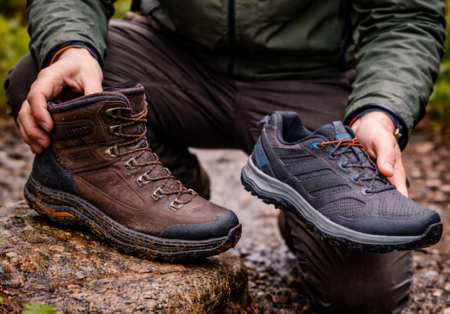
If you mostly hike groomed paths or well-packed trails, midweight insulated hiking boots with reliable waterproofing and a grippy outsole are often ideal. Pair them with traction add-ons when the trail turns to glare ice.
2) Deep snow travel
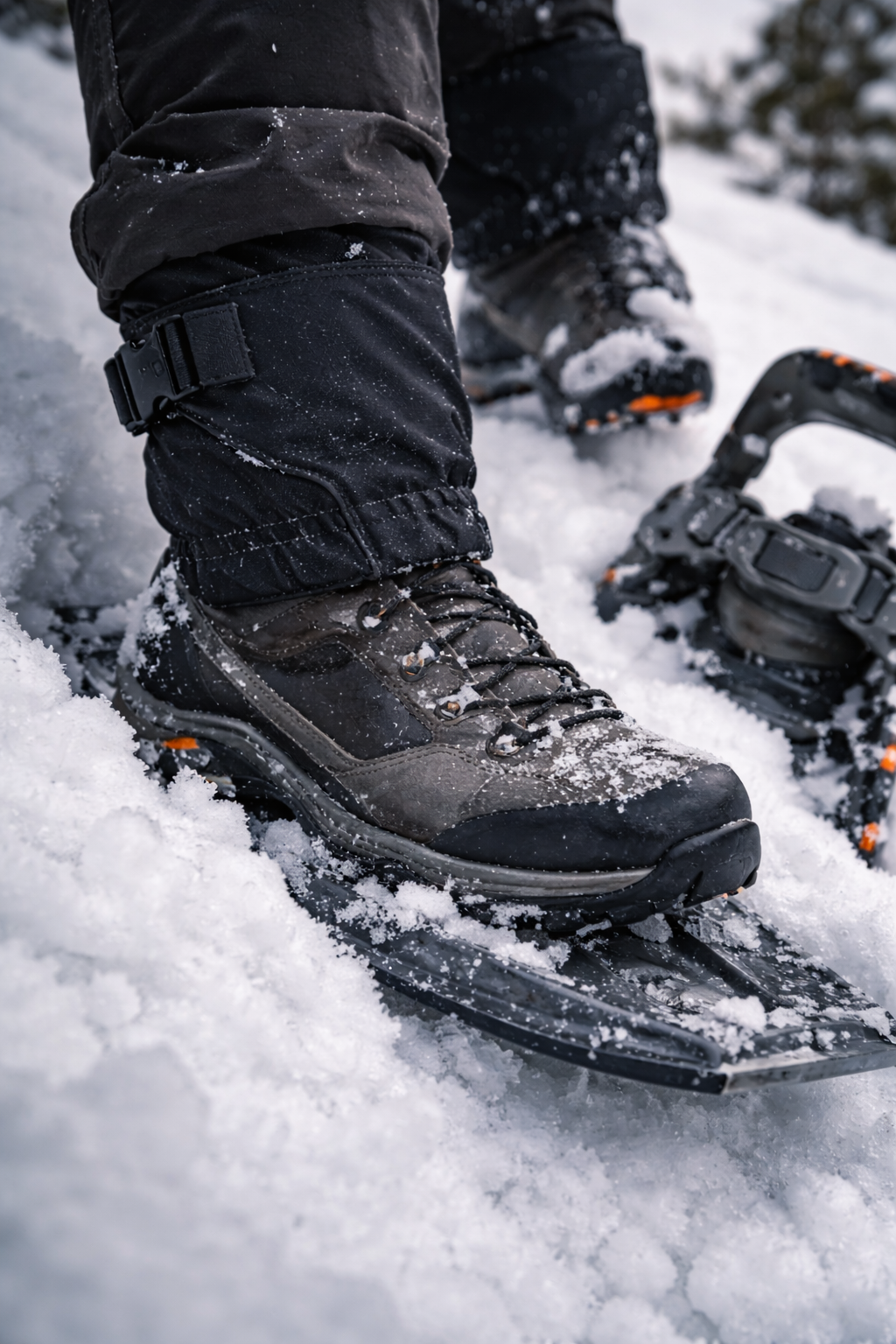
For unconsolidated snow, you’ll want a higher cuff, better gaiter compatibility, and enough insulation to stay warm while moving slower. Many hikers combine supportive cold weather boots with snowshoes for flotation and efficiency.
3) Steeper terrain, alpine routes, and ice
If your outings include steep snow, glacier approaches, or any sustained ice, step up to stiffer winter mountaineering boots designed for security with crampons. Browse technical mountaineering boots when your objectives require maximum warmth, rigidity, and traction-system compatibility.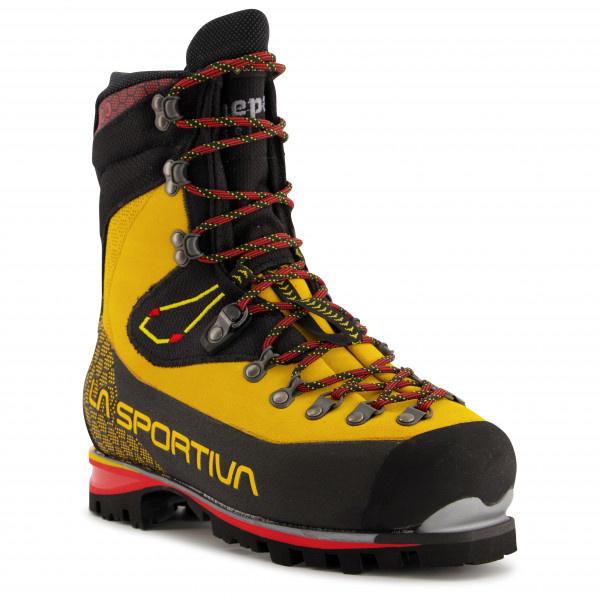
Key Features to Compare When Choosing Winter Hiking Boots
Once you’ve defined the activity, evaluate boots by the factors that matter most in winter: insulation, waterproofing, fit, traction, and stiffness.
Insulation: How Much Warmth Do You Really Need?
Insulation is often measured in grams (e.g., 200g, 400g) or described by materials (Thinsulate™, Primaloft®, aerogels). More isn’t always better: too much insulation can cause sweaty feet, which later chills during rest breaks.
- Light to moderate insulation: good for active hiking on packed trails in mild-to-cold temps.
- Higher insulation: better for slower pacing, deep snow, or consistently frigid conditions.
- Mountaineering-level warmth: intended for long cold exposures, high winds, and technical terrain.
Remember: socks and circulation matter as much as insulation. Boots that are too tight reduce blood flow and make feet colder—no matter how insulated the boot is.
Waterproofing and Wet-Snow Protection
Winter moisture shows up as slush, wet snow, creek crossings under ice, and condensation. Look for:
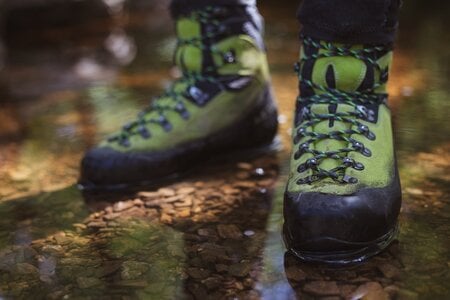
- Waterproof membrane (or highly water-resistant construction) to block meltwater.
- Gusseted tongue to prevent water and snow intrusion.
- Higher cuff height for deeper snow, especially with gaiters.
- Durable outer materials that won’t soak through quickly.
Tip: waterproof boots can still get wet from the top in deep snow. If you frequently posthole or break trail, prioritize cuff height and gaiter compatibility.
Outsole Grip and Traction Pairing
No single outsole handles every winter surface. Rubber compounds can stiffen in cold temps, and packed snow behaves differently than ice. Your traction plan should include add-ons:
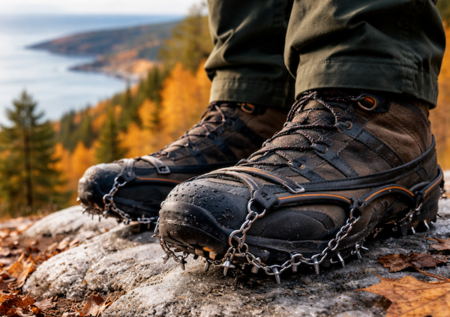
- Microspikes/traction: ideal for icy trails and rolling terrain.
- Crampons: required for steep snow/ice where sliding is not an option.
For serious winter travel, match your boot to the right add-on system. Explore crampons and traction devices to cover everything from quick trail ice to technical routes.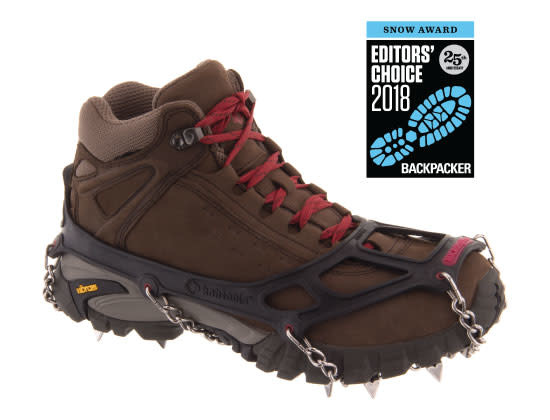
Sole Stiffness: Flexible Hikers vs. Winter Mountaineering Boots
Sole stiffness affects comfort and control. Flexible boots feel more natural for walking but may lack support for edging on hard snow. Stiffer boots:
- improve stability on uneven, frozen terrain
- reduce foot fatigue when kicking steps
- provide a better platform for crampons (especially semi-auto/step-in systems)
If you’re transitioning from trail winter hiking to more technical lines, consider boots that sit between hiking and full alpine stiffness—enough for security, without feeling like ski boots on flat approaches.
Upper Support, Ankle Protection, and Gaiter Compatibility
Winter terrain can hide ankle-twisting hazards under snow. Look for:
- Supportive uppers (leather or reinforced synthetics) that resist torsion.
- Higher collars for snow, side-hilling, and added warmth.
- Heel and toe rand for durability against ice, rocks, and crampon abrasion.
- Gaiter-friendly shape with a secure cuff profile.
Fit in Winter: Sizing, Socks, and Toe Room
Fit is the #1 factor that determines whether your winter hiking boots feel warm and blister-free. Use these winter-specific fit checks:
- Toe room: you should be able to wiggle toes even with thicker socks. Toe bang on descents can lead to numbness and bruised nails.
- Heel lock: your heel should stay planted to reduce friction and hotspots.
- Midfoot security: snug, not crushing—cold feet often come from restricted circulation.
- Try them late in the day: feet swell; winter socks add bulk.
Pair boots with the right socks for insulation and moisture control. Consider upgrading to dedicated insulated hiking socks that wick sweat and maintain loft when temperatures drop.
Lacing Systems and On-the-Go Adjustments
In winter, you’ll adjust fit more often—tight for descents, slightly looser for flats, and re-tightened after breaks. Helpful features include locking eyelets, glove-friendly hardware, and smooth-pulling laces that don’t freeze easily.
How to Choose the Best Boots for Winter Hiking by Temperature and Conditions
Rather than chasing a single “warmest” boot, match warmth to your real conditions. Consider:
- Air temperature: your baseline, but not the whole story.
- Wind exposure: ridgelines can feel dramatically colder.
- Snow wetness: coastal snow is often wetter and more chilling.
- Your pace: fast movers generate heat; frequent stoppers need more insulation.
- Trip length: longer days require better moisture management and comfort.
If you routinely get cold feet, look beyond boots alone: improve overall thermoregulation with better baselayers, midlayers, and shells. A dialed clothing setup complements your footwear—see our options for winter layering systems.
Compatibility Checklist: Snowshoes, Crampons, and Gaiters
Your winter boot system rarely stands alone. Before buying, confirm compatibility with the gear you actually use:
- Snowshoes: make sure the boot fits comfortably in bindings and the heel welt/shape doesn’t cause pressure points. If you’re shopping bindings too, start with snowshoes matched to your terrain.
- Traction: identify whether you need light traction for ice or true crampon capability for steep routes. Browse crampons and traction devices and confirm the boot’s stiffness and welt compatibility.
- Gaiters: check that the boot has a secure heel for gaiter straps and a profile that won’t rub or loosen.
Common Mistakes to Avoid When Buying Winter Hiking Boots
- Buying too small “for precision”: tight boots reduce circulation and feel colder. Winter fit should be secure, not cramped.
- Over-insulating for high-output hikes: sweaty feet can chill quickly at rest. Balance warmth and breathability.
- Ignoring traction needs: an aggressive outsole isn’t a substitute for spikes or crampons on ice.
- Not testing with real socks: always try boots with your winter sock system.
- Skipping system thinking: boots, socks, traction, and layers work together.
Recommended Boot Categories (and Who They’re For)
Use these categories to quickly narrow your shortlist:
Insulated hiking boots (all-around winter hikers)
Best for most day hikes on mixed snow, cold trails, and moderate conditions. Look for waterproof construction, moderate insulation, and good stability.
Cold weather boots (deep snow and slower pace)
Best for breaking trail, frequent stops, and consistently cold environments. Prioritize warmth, taller cuffs, and gaiter integration.
Winter mountaineering boots (steep, technical terrain)
Best for alpine objectives where you need stiffness, crampon security, and serious weather protection. If that’s your direction, start with technical mountaineering boots and build the rest of your traction system around them.
Build Your Winter Footwear Kit
If you’re upgrading for the season, it’s often easiest to shop by system rather than one item at a time. Start with the boots, then add socks and traction that match your goals. For more options across styles and insulation levels, browse our men's footwear collection to compare winter-ready models in one place.
Final Checklist Before You Buy
- Do they fit with your winter socks (toe wiggle + heel lock)?
- Is insulation appropriate for your pace and temperature range?
- Are they waterproof enough for your snow type (wet vs. dry)?
- Do they pair with your traction plan (spikes or crampons)?
- Do they work with gaiters and/or snowshoe bindings?
Get the Right Boots for Your Next Cold Weather Adventure
Ready to hike farther, warmer, and more confidently this winter? Shop winter-ready footwear and build your full setup—boots, socks, and traction—so you can focus on the views, not your feet. Start by exploring the men's footwear collection, then add insulated hiking socks and the right crampons and traction devices for your terrain.