The Complete Guide to Choosing Hiking Socks: Materials, Cushioning, and Fit for Blister-Free Miles
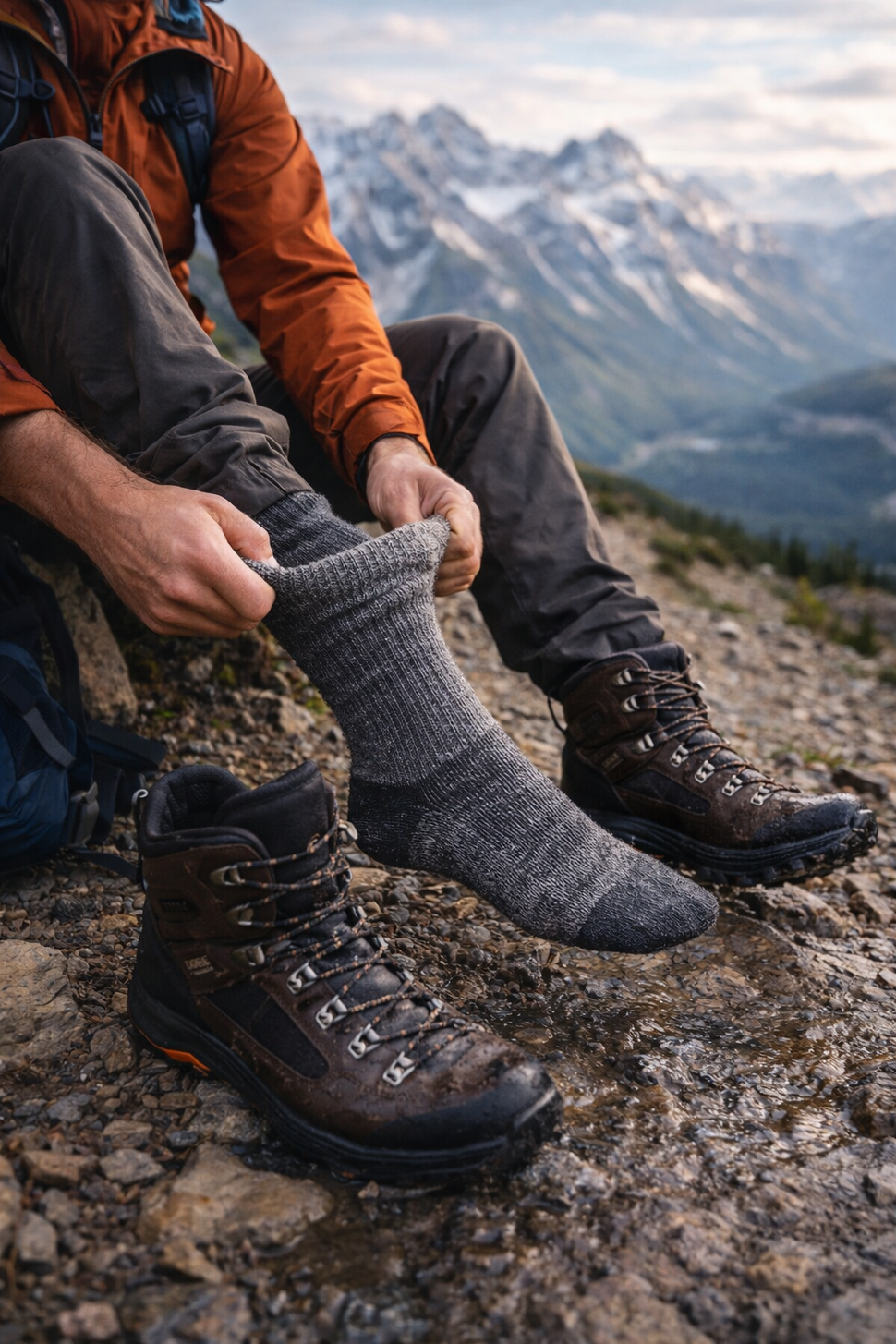
“The Complete Guide to Choosing Hiking Socks: Materials, Cushioning, and Fit for Blister-Free Miles” is your go-to hiking sock guide for happier feet on every trail. The right hiking socks do more than feel comfortable—they manage moisture, reduce friction, regulate temperature, and work with your footwear to help prevent hotspots and blisters. Whether you’re searching for merino wool hiking socks, comparing cushioning levels, or trying to find the best socks for hiking in different seasons, this guide breaks down the key choices that matter.
Why Hiking Socks Matter More Than You Think
Most blister problems aren’t caused by “bad feet”—they’re caused by friction, heat, and moisture. Socks are your first line of defense because they sit at the friction interface between skin and shoe. Quality blister prevention socks reduce rubbing through better fibers, smarter construction, and a fit that stays locked in place as you climb, descend, and sidehill.
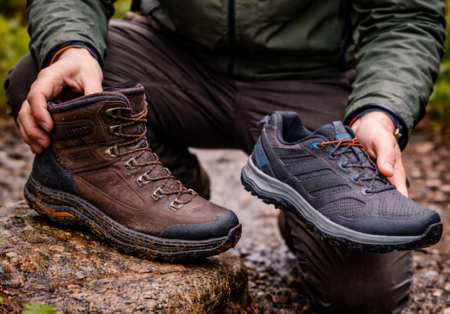
They also help your footwear perform as designed. A sock that’s too thick can make boots feel tight and numb your toes on descents; a sock that’s too thin can leave you sliding and create hotspots. Your sock choice should match your hiking boots and shoes, the terrain, and your hiking style.
Materials 101: Choosing the Right Fibers
Material is the biggest factor in comfort, odor control, drying speed, and how well socks prevent blisters over long miles. Here’s how the most common hiking sock materials stack up.
Merino Wool: The Benchmark for All-Conditions Comfort
Merino wool hiking socks are popular for a reason. Merino regulates temperature (warm when it’s cold, comfortable when it’s warm), manages moisture well, and naturally resists odor—great for multi-day trips.
- Best for: most hikers, variable weather, multi-day use, odor control.
- Watch for: durability depends on blend and knit; pure merino can wear faster than blends.
Tip: Many of the best merino options are blends (merino + nylon + elastane). The nylon boosts durability, while elastane improves stretch and shape retention.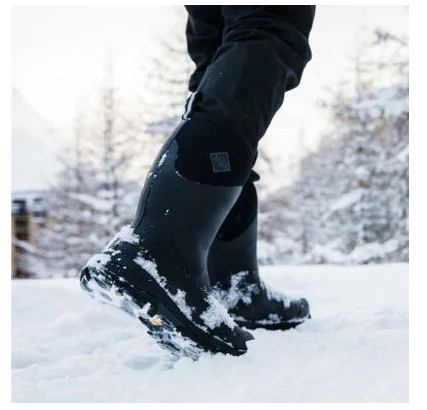
Synthetic (Nylon/Polyester): Fast-Drying and Durable
Synthetic hiking socks shine in hot conditions and high-output days. They dry quickly, can be extremely durable, and often cost less than merino. The tradeoff is odor control—synthetics can smell faster on long trips.
- Best for: summer hiking, fastpacking, wet environments where quick-dry matters.
- Watch for: odor buildup; choose pairs with anti-odor treatments or blends.
Cotton: Why It’s a No-Go on the Trail
Cotton absorbs and holds moisture, which increases friction and softens skin—two ingredients for blisters. If you’re building a reliable sock system, cotton is the easiest thing to remove from your kit.
- Best for: casual wear, not hiking.
- Why to avoid: slow drying, high blister risk, cold when wet.
Blends: The Sweet Spot for “Best Socks for Hiking”
Many of the best socks for hiking use a blend: merino or synthetic for performance, nylon for strength, and elastane for fit. When you’re comparing options, look past the marketing and check the fiber percentages.
Cushioning: Ultralight vs. Light vs. Midweight vs. Heavy
Cushioning affects comfort, warmth, impact protection, and boot fit. More cushion isn’t always better—too much can create tightness and increase rubbing. Choose cushioning based on distance, pack weight, terrain, and your footwear volume.
Ultralight / No Cushion
- Best for: hot weather, high-output hikes, snug-fitting trail runners.
- Pros: maximum breathability, minimal bulk.
- Cons: less impact protection; not ideal for cold conditions.
If you hike in lightweight hiking shoes, ultralight socks can reduce overheating and help maintain a precise fit.
Light Cushion
- Best for: most day hikes, moderate temps, mixed terrain.
- Pros: good balance of comfort and fit; versatile.
- Cons: may feel thin under heavy loads on rocky trails.
Midweight Cushion
- Best for: backpacking, rough trails, cooler seasons.
- Pros: more protection and warmth; great for long descents.
- Cons: can crowd tighter boots; slower drying than light socks.
Heavy Cushion / Expedition Weight
- Best for: deep winter, mountaineering, very cold conditions.
- Pros: maximum warmth and padding.
- Cons: can cause fit issues if boots aren’t sized for thick socks.
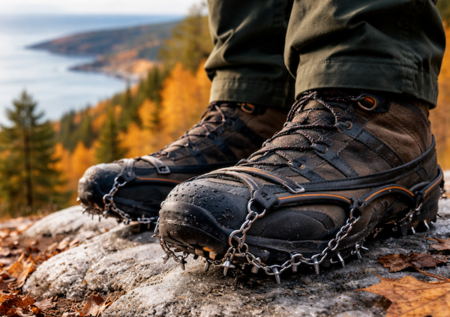
If you’re using technical winter footwear like winter mountaineering boots, match sock thickness to the boot’s intended volume so you don’t restrict circulation—warmth comes from blood flow as much as insulation.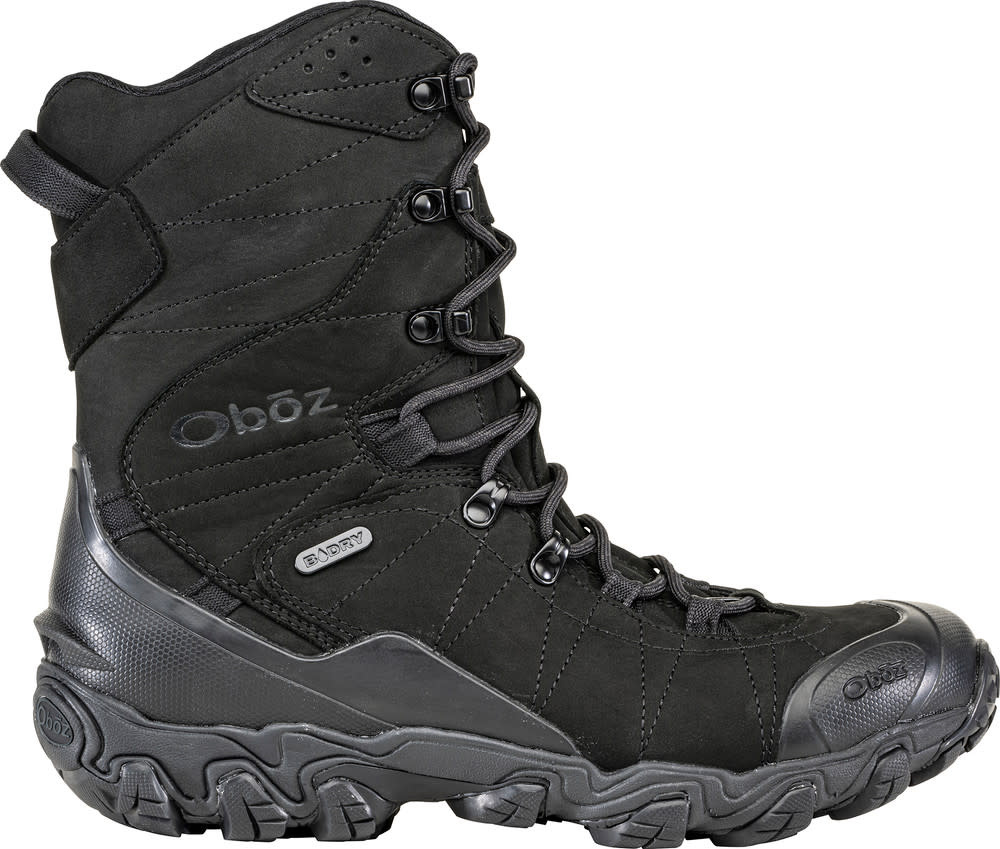
Fit and Construction: The Real Secret to Blister-Free Miles
Even the best materials won’t help if your socks bunch up, slide down, or pinch. Fit and construction determine how well socks stay in place and how effectively they reduce friction.
Choose the Right Size (Don’t “Size Up” for Comfort)
Hiking socks should fit like a second skin—snug, not tight. Oversized socks wrinkle, and wrinkles create friction points. Use the brand’s size chart and consider sizing based on your footwear fit (especially toe box space).
Pay Attention to Key Features
- Heel pocket: a defined heel helps prevent slippage and bunching.
- Arch support: gentle compression can stabilize the sock underfoot.
- Seamless toe: reduces irritation on long descents.
- Ankle/calf height: choose crew for boot protection; quarter/ankle for trail runners.
- Targeted cushioning: padding under heel/forefoot without excessive bulk elsewhere.
Should You Use Liner Socks?
Liner socks (thin, smooth layers under your main sock) can reduce friction for some hikers, especially on high-mileage days or if you’re prone to blisters. They’re not mandatory, but they can be a smart tool in your blister prevention socks strategy.
- Use liners if: you get frequent hotspots, your feet swell a lot, or you’re breaking in boots.
- Skip liners if: they cause crowding in your footwear or create bunching.
Match Socks to Your Footwear and the Break-In Stage
Socks and shoes are a system. The sock thickness and fit should complement your footwear’s volume and intended use. A classic mistake is buying a great sock, then pairing it with a boot that’s too tight (or too loose) for that sock thickness.
If you’re getting new footwear ready for the trail, build your sock choice into your break-in process. Wear the socks you’ll actually hike in while you test fit, walk stairs, and do short training hikes. That’s when you’ll notice early signs of heel lift, toe pressure, or hotspots.
Blister Prevention: Practical Tips That Actually Work
Even with great hiking socks, long days and tough terrain can still create friction. Here are proven ways to stack the odds in your favor.
1) Keep Feet Drier
- Choose merino or performance synthetics—not cotton.
- On hot days, consider lighter cushioning to reduce sweat buildup.
- Take short breaks to air out feet and insoles.
2) Stop Hotspots Early
A hotspot is a warning sign, not something to “walk off.” The moment you feel rubbing, stop and address it—adjust lacing, smooth your sock, or apply blister tape. Early action prevents a small irritation from becoming a trip-ending blister.
3) Rotate Socks on Multi-Day Trips
Bringing an extra pair can be a game changer. Rotate to a drier pair at lunch or at camp, and let the damp pair air out. Merino wool hiking socks help here because they remain comfortable even when slightly damp and resist odor.
4) Maintain Your Footwear
Worn insoles, rough interior seams, or grime buildup can increase rubbing. A quick clean-and-check routine helps socks perform better and last longer. Stock up on footwear care essentials so your boots, shoes, and socks all work together on the trail.
How to Choose the Best Socks for Hiking (Quick Checklist)
Use this checklist when shopping or packing:
- Pick material: merino blend for versatility; synthetic for hot/fast/dry needs.
- Choose cushioning: match to terrain, temperature, and footwear volume.
- Dial in fit: no wrinkles, secure heel, comfortable toe box, stays up without cutting circulation.
- Match height: crew for boots and brush; quarter/ankle for low-cut shoes.
- Plan blister control: liners (if needed), tape for hotspots, dry-sock strategy.
Shop Hiking Socks Built for Real Miles
Ready to upgrade your comfort and reduce hotspots? Explore our hiking sock collection to find merino wool hiking socks and performance options across cushioning levels and heights. Pair the right socks with your ideal hiking boots and shoes, and you’ll be set for blister-free miles—whether you’re training on local trails or gearing up for your next big objective.
Choose your sock thickness and material today, then test them on a short hike this week. Your feet will tell you immediately what works—shop the right pair now and step onto the trail with confidence.