Telescoping vs. Z-Poles: Which Collapsible Ski Pole Design Is Right for You?
When shopping for backcountry ski poles, one of the most important decisions you'll face is choosing between telescoping poles and Z-poles (also called folding poles). Both collapsible designs offer advantages over fixed-length poles, but each excels in different situations and appeals to different types of skiers and splitboarders.
Understanding the key differences between these two popular pole designs will help you make an informed choice that matches your skiing style, backcountry objectives, and personal preferences. Let's dive deep into the mechanics, advantages, and drawbacks of each system.
Understanding Telescoping Ski Poles
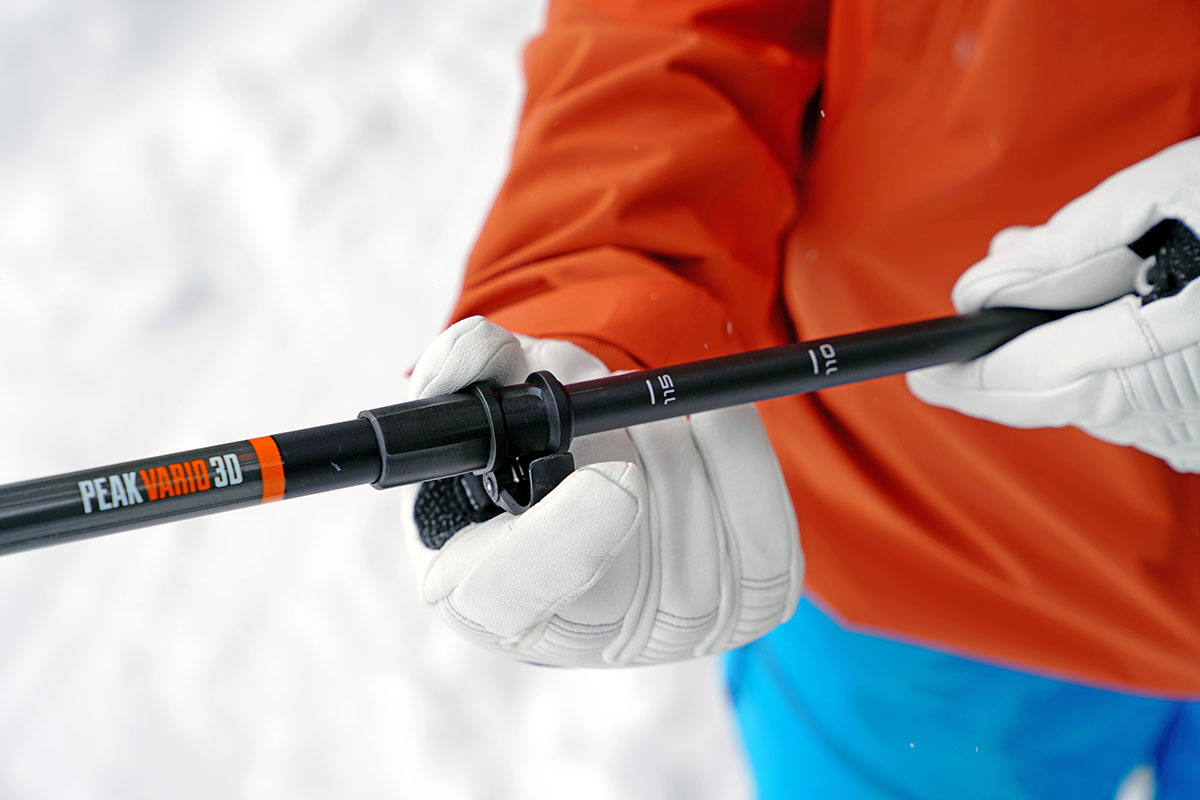
Telescoping poles are the traditional adjustable pole design that most backcountry skiers have used for decades. These poles feature two or three shaft sections of varying diameters that slide inside each other, much like a handheld telescope extends and collapses.
How Telescoping Poles Work

The adjustment mechanism on telescoping poles typically uses either an external lever system (commonly known as FlickLock) or an internal expansion system. Modern designs overwhelmingly favor the external lever approach, which has proven more reliable and user-friendly in varied conditions.
When you want to adjust the length, you simply flip open the lever, extend or compress the pole to your desired length, and close the lever to lock it in place. The overlapping sections create a strong, rigid structure that can handle significant force.
Two-section telescoping poles are the most common configuration among dedicated backcountry skiers. These poles offer excellent durability and quick adjustments while maintaining reasonable weight. Three-section telescoping poles provide additional packability when collapsed but add more potential failure points and slightly more weight.
Understanding Z-Poles (Folding Poles)
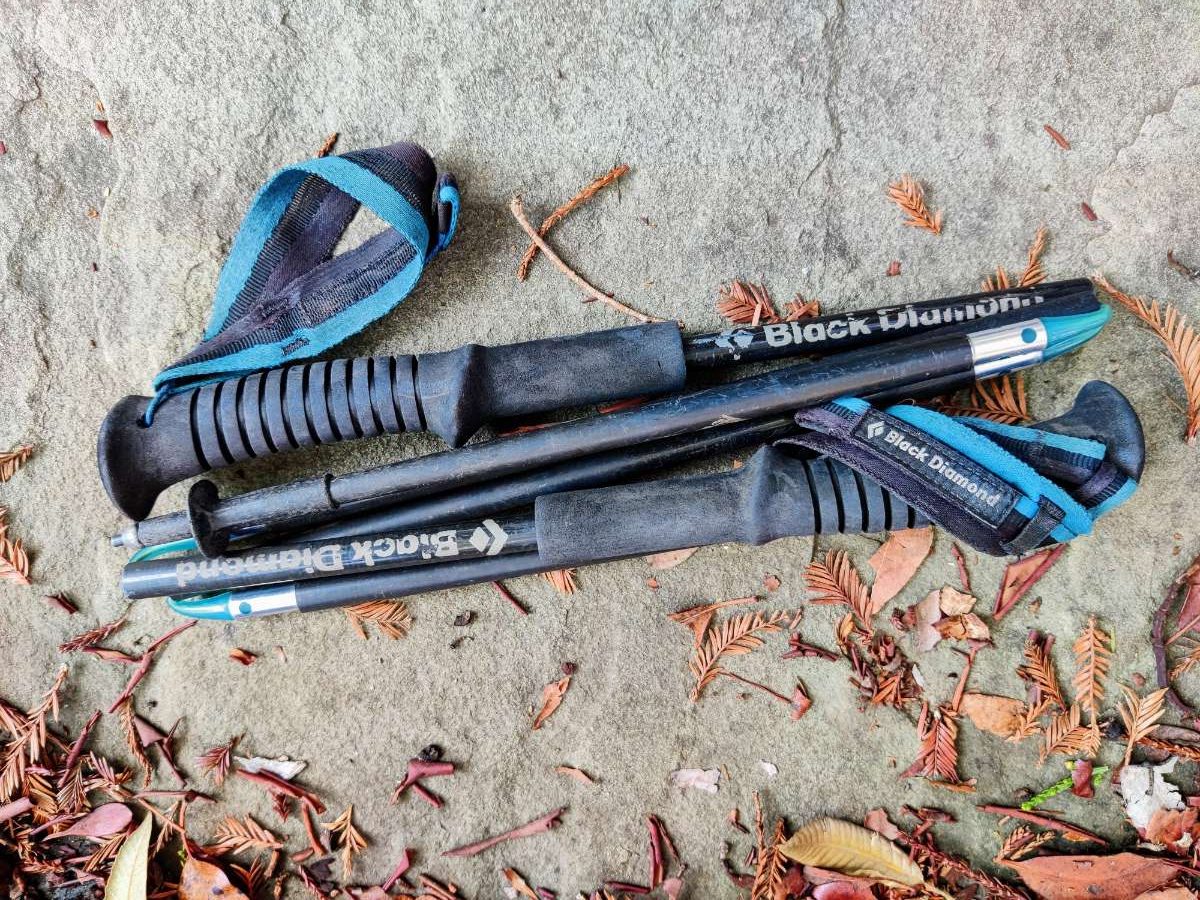
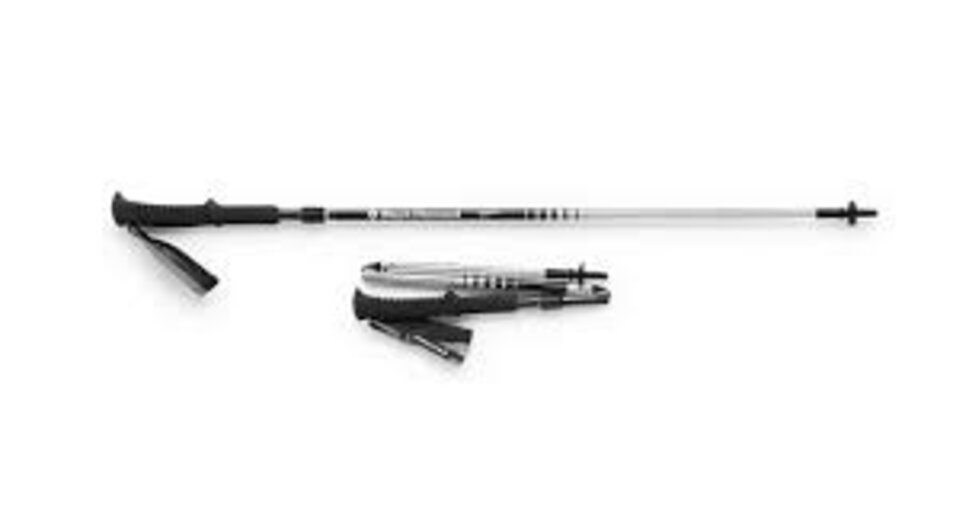
Z-poles represent a newer approach to collapsible pole design. Instead of sliding sections, these poles feature shaft segments connected by an internal cord system, allowing them to fold down into a compact Z-shape when not in use.
How Z-Poles Work
The genius of Z-pole design lies in its simplicity. An elastic shock cord runs through the interior of all pole sections, keeping them connected even when collapsed. When you want to use the poles, you simply pull the sections apart and snap them together at connection points. The internal cord maintains tension to keep everything aligned and secure.
Many Z-poles offer limited adjustability through a small telescoping section near the grip, typically providing adjustment ranges between 10-20 centimeters. However, some Z-pole models have fixed lengths with no adjustment capability at all.
Telescoping Poles: Advantages and Benefits
Superior Durability and Strength
The overlapping construction of telescoping poles creates inherent rigidity that Z-poles struggle to match. When you plant a telescoping pole during a turn or push off during a skin track, the overlapping sections distribute force across a larger surface area. This makes them particularly well-suited for aggressive skiing and tasks like clearing snow from bindings, thwacking cornices, or probing snow stability.
Backcountry guides and ski patrollers often prefer telescoping poles specifically because of their proven durability under demanding conditions. The simple mechanical design has fewer components that can fail compared to the connection points on Z-poles.
Greater Length Adjustability
If you frequently adjust your pole length based on terrain, telescoping poles are the clear winner. Two-section poles typically offer 20-40 centimeters of adjustment range, while three-section models can provide even more versatility.
This extensive adjustability matters when you're:
- Lengthening poles for climbing steep terrain where longer poles help you push more efficiently
- Shortening poles for steep descents to maintain an aggressive, forward stance
- Adjusting for flat, skate-ski sections where Nordic-length poles save energy
- Accommodating multiple users of different heights
- Traversing sidehills where you want different lengths for uphill and downhill poles
Reliable Locking Mechanisms
Modern FlickLock systems have become incredibly reliable. Quality telescoping poles from reputable brands rarely experience unexpected collapses when properly tightened. The external lever design is easy to inspect visually and adjust even with gloves on.
Proven Track Record
Telescoping poles have been the backcountry standard for decades. They've been refined through countless iterations and real-world testing in every imaginable condition. This maturity translates to predictable performance and widely available replacement parts.
Telescoping Poles: Disadvantages and Limitations
Larger Collapsed Size
Even three-section telescoping poles typically collapse to around 22-26 inches, which can be awkward for splitboarders who need to stow poles in their packs for descents. Two-section poles are even longer when collapsed, usually around 28-34 inches depending on the model.
This larger size means you'll need to strap telescoping poles to the outside of your pack if you can't carry them. External pole carry can be cumbersome when navigating tight trees or technical terrain.
Slightly Heavier Weight
The overlapping sections and locking mechanisms add weight compared to Z-poles. While the difference might only be a few ounces, weight-conscious skiers who count every gram will notice this disparity over long tours.
Potential for Icing and Freezing
In extremely cold conditions or during warm days when poles get wet, the adjustment mechanisms can ice up or freeze. External levers are particularly susceptible to snow and ice accumulation, though this is usually manageable with proper maintenance.
Risk of Slippage
If locking mechanisms aren't properly tightened or if they wear out over time, telescoping poles can slip during use. This is frustrating and potentially dangerous on steep terrain. Regular inspection and maintenance help prevent this issue, but it remains a consideration.
Z-Poles: Advantages and Benefits
Ultra-Compact Packed Size
The signature advantage of Z-poles is their incredibly small collapsed size. Quality Z-poles typically fold down to just 15-17 inches, making them about 8 inches shorter than comparable three-section telescoping poles.
This compact size is transformative for splitboarders who need poles for the ascent but want them completely out of the way for the descent. Z-poles fit easily inside most packs without protruding or creating snag hazards on vegetation.
Even skiers appreciate this packability when scrambling steep terrain, navigating technical sections, or traveling with poles on planes or public transportation.
Lighter Overall Weight
Without heavy locking mechanisms and with shorter individual sections, Z-poles typically weigh less than telescoping equivalents. Premium carbon fiber Z-pole models can weigh as little as 10-11 ounces per pair, significantly lighter than most telescoping options.
For ski mountaineers covering huge vertical distances or ultralight enthusiasts, this weight savings adds up over a full day in the mountains.
Quick Deployment
Once you're familiar with the system, Z-poles deploy quickly. There's no need to adjust length or tighten levers—just pull the sections apart, snap them together, and start moving. This speed is appreciated when transitioning between skiing and booting, or when you need to stow poles quickly to use your hands.
No External Moving Parts
The internal cord system means fewer exposed components that can catch on brush, ice up with freezing moisture, or get damaged during transport. This simplicity appeals to minimalist backcountry travelers who appreciate gear that just works without fussing.
Z-Poles: Disadvantages and Limitations
Reduced Durability
The connection points on Z-poles, where sections snap together, represent potential weak points. The sections overlap by only a small amount of material, and the connection relies on tension from the internal cord rather than mechanical overlap.
Aggressive skiers who plant poles hard, use them for tasks beyond normal touring, or ski in variable conditions may find Z-poles don't hold up as well over time. The internal cords can also stretch or break, requiring replacement or field repairs.
Limited Adjustability
Most Z-poles offer either no length adjustment or only a small adjustment range (typically 10-20cm) through a single telescoping section. This limitation makes them less versatile for varying terrain or for sharing between skiers of different heights.
If you're someone who likes to significantly adjust pole length based on whether you're climbing, traversing, or descending, Z-poles may feel restrictive.
Less Rigidity Under Load
The folding design inherently creates a less rigid structure compared to telescoping poles. When you push hard on a Z-pole during a steep skin track or plant it aggressively during a turn, you may notice more flex or feel less confidence in the pole's stability.
This isn't a problem for many touring scenarios, but skiers who demand maximum performance from their poles might notice the difference.
More Complex Cord System
While the internal cord keeps sections together, it's also a component that can fail. In extreme cold, cords can become stiff or brittle. With extended use, they can stretch and lose tension, requiring replacement. If the cord breaks in the field, the pole becomes essentially unusable without a repair kit.
Who Should Choose Telescoping Poles?
Telescoping poles are the best choice if you:
Prioritize durability and reliability - If you're hard on gear or need poles that will withstand aggressive use, technical terrain, and demanding tasks beyond just walking and skiing, telescoping poles are the safer bet.
Value extensive adjustability - Skiers who frequently change pole length based on terrain, use poles for summer trekking, or share poles with partners of different heights benefit most from the wide adjustment range.
Primarily ski rather than splitboard - Since you'll be carrying poles during both ascent and descent, the larger collapsed size matters less. You're not trying to fit them in a pack.
Prefer proven, time-tested designs - Conservative equipment choices based on decades of refinement appeal to many backcountry travelers who want predictable performance.
Use poles for multiple tasks - If you clear snow off skis, flip binding risers, probe snow, or use poles as tools, telescoping designs handle these tasks better.
Tour in extremely cold conditions - While both designs can face challenges in severe cold, telescoping poles with quality FlickLock mechanisms generally perform more reliably when temperatures drop well below freezing.
Who Should Choose Z-Poles?
Z-poles are the best choice if you:
Splitboard frequently - If you need to pack poles completely out of the way for descents, Z-poles' compact size is essential. They eliminate the hassle of external pole carry and potential snag hazards.
Prioritize lightweight gear - Gram counters and ski mountaineers covering big vertical will appreciate the weight savings, especially on all-day or multi-day missions.
Travel frequently with gear - The ultra-compact packed size makes Z-poles much easier to pack in duffels, suitcases, or small vehicles.
Tour in tight, technical terrain - When navigating dense trees, steep scrambles, or technical sections where you need hands free, being able to stash poles quickly in your pack is valuable.
Don't adjust length frequently - If you find a comfortable pole length and rarely change it, limited adjustability isn't a significant drawback.
Appreciate minimalist designs - Skiers who prefer simple, lightweight gear with fewer moving parts often gravitate toward the elegance of Z-pole design.
Don't use poles as multi-tools - If you're less likely to use poles for clearing snow, probing, or other tasks requiring rigidity, Z-poles' lighter duty construction suffices.
Material Considerations: Aluminum vs. Carbon Fiber
Regardless of whether you choose telescoping or Z-pole design, you'll also need to decide between aluminum and carbon fiber construction.
Aluminum Poles
Aluminum poles bend rather than break, making them more forgiving in crashes and impacts. They're generally less expensive and handle abuse better over time. The weight penalty compared to carbon is moderate—usually just a few ounces per pair. For most recreational backcountry skiers, aluminum offers the best balance of performance, durability, and value.
Carbon Fiber Poles
Carbon fiber poles are significantly lighter and provide excellent rigidity and swing weight. However, they're more fragile and can snap catastrophically if struck by a ski edge or during a hard fall. They're also considerably more expensive. Carbon makes sense for weight-conscious skiers who are careful with their gear and willing to pay a premium for reduced weight.
Many modern poles use hybrid construction, pairing carbon fiber upper sections with aluminum lower sections. This approach saves weight while protecting the most vulnerable areas with more durable aluminum.
Key Features to Consider Beyond Pole Type
Grip Design
Extended foam grips below the main handle allow you to choke up when traversing steep slopes without adjusting pole length. This feature is valuable regardless of pole type and significantly enhances usability in varied terrain.
Basket Size
Larger powder baskets provide better flotation in deep snow but can catch on vegetation and add weight. Most touring poles come with interchangeable baskets, letting you swap between smaller trekking baskets and larger powder options based on conditions.
Strap Design
Padded, adjustable straps improve comfort on long tours. Some skiers prefer quick-release straps that detach easily in case of avalanche or fall, though opinions vary on whether this safety feature is necessary or just marketing.
Built-in Tools
Many modern touring poles incorporate useful features like screwdriver tips for binding adjustments, depth markings for snow assessment, and textured grip tops for manipulating binding risers and buckles.
Making Your Decision: A Practical Framework
Start by honestly assessing your primary use case:
For dedicated backcountry skiers who spend most time ascending and descending with poles in hand, telescoping poles typically provide better overall performance, especially two-section models from quality manufacturers.
For splitboarders who need compact, packable poles, Z-poles are usually the clear choice despite their limitations in other areas.
For ski mountaineers focused on big, technical objectives where weight matters tremendously, lightweight Z-poles or carbon fiber telescoping poles make sense.
For versatile users who tour, hike, scramble, and travel with poles frequently, consider Z-poles for their packability—but be prepared to handle them more carefully.
For guides, patrollers, and professionals who depend on their poles in challenging conditions day after day, telescoping poles' proven durability is hard to beat.
Final Recommendations
Both telescoping and Z-pole designs have earned their place in the backcountry skiing world. Neither is categorically better—they excel in different scenarios and appeal to different priorities.
The good news is that modern versions of both designs are excellent. Quality telescoping poles from brands like Black Diamond, Leki, and G3 offer remarkable reliability and performance. Well-designed Z-poles from these same manufacturers provide impressive packability without excessive compromise.
Consider starting with telescoping poles if you're new to backcountry skiing or uncertain about your preferences. They represent the tried-and-true standard and offer more versatility as you develop your touring style. You can always add Z-poles to your quiver later if you find yourself wanting the ultra-compact packability for specific objectives.
Whatever you choose, invest in poles from reputable manufacturers with good warranties and customer support. Quality materials and construction make an enormous difference in pole longevity and performance.
Ready to choose your perfect backcountry ski poles? Explore our complete collection of telescoping and Z-poles at Alpenglow Adventure Sports. Our expert staff can help you select the right poles for your skiing style, objectives, and budget. We carry trusted brands and rigorously test our gear in real-world mountain conditions, so you can shop with confidence.
Get equipped with poles that will enhance your backcountry experience and inspire confidence on every tour. Your next adventure awaits—and the right poles make all the difference.