Snowshoe Sizing Guide: How to Choose the Right Size for Your Weight and Terrain
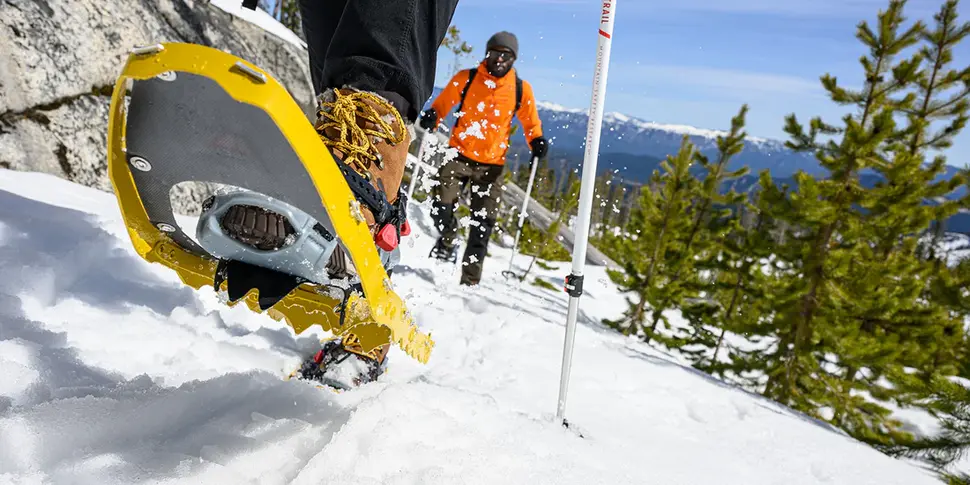
Standing in front of a wall of snowshoes with cryptic sizing numbers like 22", 25", 30", and 36" can feel overwhelming, especially when you're new to winter recreation and uncertain how these measurements translate to real-world performance. Unlike shoe sizing where your foot measurement directly determines the size you need, snowshoe sizing involves a more complex equation balancing your body weight, gear load, snow conditions, and terrain preferences. Selecting the wrong size can transform what should be an enjoyable winter adventure into an exhausting slog through deep snow or an awkward, oversized shuffle across packed trails.
Understanding snowshoe sizing principles empowers you to select equipment that provides optimal flotation for your specific circumstances, ensuring efficient travel across varied winter landscapes while avoiding the frustration of inadequate or excessive snowshoe size. This comprehensive guide demystifies snowshoe sizing, exploring how different factors affect size selection and providing practical frameworks for choosing snowshoes that will serve you reliably across the winter conditions you'll actually encounter.
Understanding Snowshoe Sizing Fundamentals
What Snowshoe Size Actually Measures
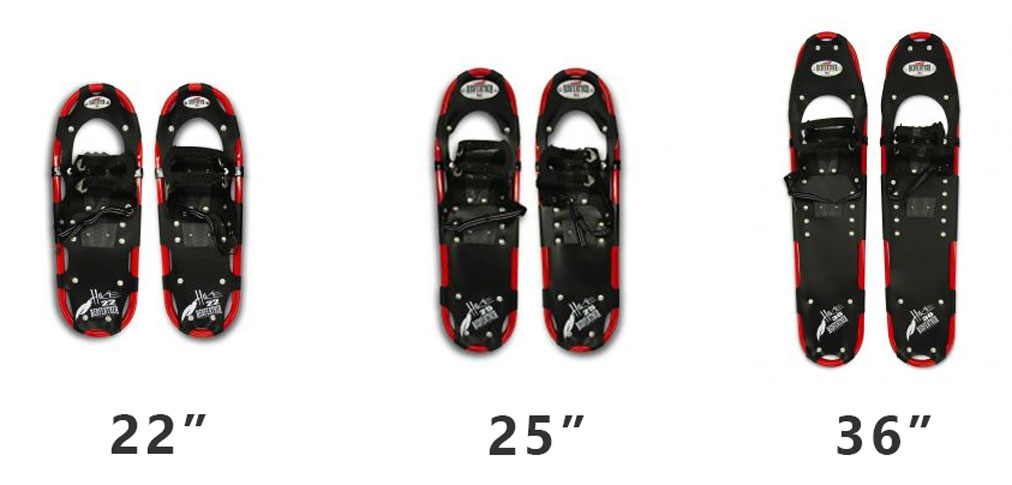
Snowshoe sizes are typically expressed in inches, representing the approximate overall length of the snowshoe—a 25" snowshoe measures roughly 25 inches from tail to tip. However, size alone doesn't tell the complete story of a snowshoe's capabilities. The total surface area (length multiplied by width) determines flotation performance—how well the snowshoe distributes your weight across snow to prevent sinking.
Two snowshoes of the same length but different widths provide dramatically different flotation. A 25" x 8" snowshoe offers 200 square inches of surface area, while a 25" x 9" model provides 225 square inches—a significant 12.5% difference in flotation capability. When comparing snowshoes, consider both dimensions rather than length alone to understand true flotation performance.
The Physics of Flotation
Snowshoes work by distributing your body weight over larger surface areas, reducing the pounds-per-square-inch pressure exerted on snow. This pressure reduction determines whether you float on top of snow or sink through it. Heavier loads require more surface area to maintain adequate flotation, while lighter loads need less. The principle is straightforward—the challenge lies in determining how much surface area your specific weight and gear load require across the varied snow conditions you'll encounter.
Fresh, light powder snow provides minimal support, requiring maximum flotation (larger snowshoes). Consolidated, wind-packed, or wet snow offers more support, requiring less flotation (smaller snowshoes). Since most of us encounter varied snow conditions rather than exclusively one type, sizing must balance these variables.
The Total Load Calculation

Body Weight Plus Gear Weight
The first step in proper snowshoe sizing is calculating your total load—the combined weight of your body, clothing, boots, and pack with gear. This total weight, not just your body weight, determines the flotation you need.
For casual day hikes on groomed trails, your total load might be just 10-15 pounds above body weight—warm clothing, boots, small hydration pack, and snacks. For serious backcountry adventures, your pack alone might weigh 25-40 pounds with winter camping gear, food, water, safety equipment, and extra clothing. These dramatically different loads require different snowshoe sizes even for the same person.
Calculate Your Total Load:
- Body weight
- Winter clothing and boots: 5-10 pounds
- Day pack with essentials: 5-15 pounds
- Backcountry pack with camping gear: 20-40+ pounds
Add these together for your total working load that determines appropriate snowshoe size.
Why This Matters
A 180-pound person carrying a 10-pound day pack creates a 190-pound total load. The same person on a multi-day winter camping trip with a 35-pound pack creates a 215-pound load—a 25-pound (13%) difference that meaningfully affects required flotation. If you size snowshoes based only on body weight for day hiking but then take a backcountry trip with heavy gear, you'll discover your snowshoes sink excessively, making travel exhausting.
Standard Sizing Guidelines
General Size Recommendations by Total Load
While specific recommendations vary by manufacturer and snowshoe model, these general guidelines provide starting points:
120-160 pounds total load: 21"-23" snowshoes 140-180 pounds total load: 22"-25" snowshoes
160-200 pounds total load: 25"-27" snowshoes 180-220 pounds total load: 27"-30" snowshoes 200-250 pounds total load: 30"-36" snowshoes 250+ pounds total load: 36"+ snowshoes or models with optional tail extensions
These ranges overlap because different snowshoe designs provide varied flotation at the same length. An aggressive backcountry snowshoe with wider decking might provide adequate flotation at 25" for loads that would require 27" in a narrower recreational model.
Manufacturer-Specific Charts
Always consult specific manufacturer sizing charts for the exact models you're considering. MSR, Tubbs, Atlas, and other quality snowshoe brands provide detailed sizing recommendations based on total load, accounting for each model's unique surface area and design characteristics. These charts represent testing and real-world experience with each specific snowshoe design, providing more accurate guidance than generic recommendations.
At Alpenglow Adventure Sports, our knowledgeable staff helps you interpret manufacturer recommendations and select appropriate sizes based on your specific needs, ensuring you get optimal flotation for your weight and intended use.
Terrain Considerations
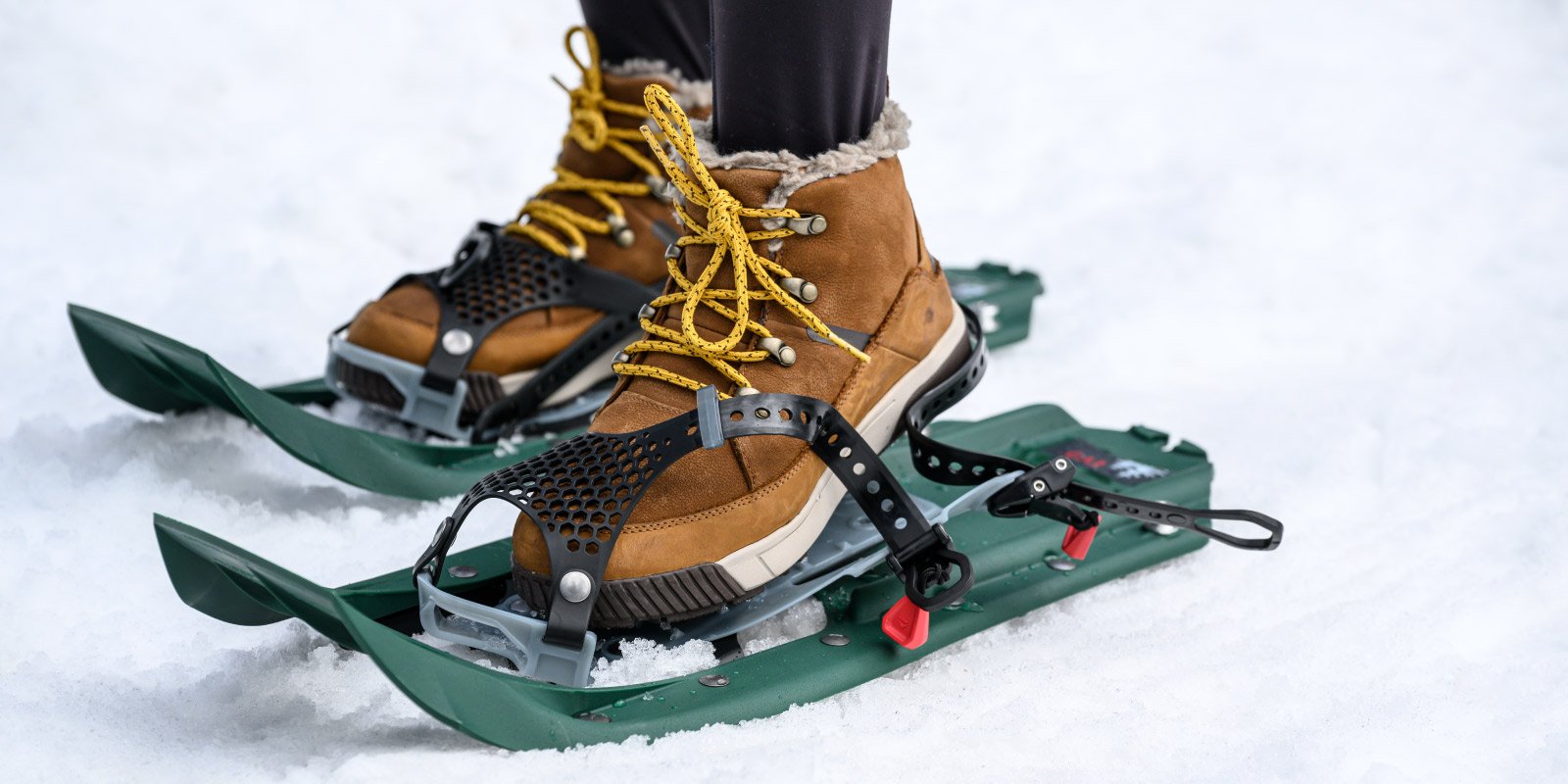
Trail vs. Backcountry Sizing
The terrain you'll typically snowshoe significantly affects appropriate sizing:
Groomed Trails and Packed Snow: Packed trails provide substantial support, allowing smaller snowshoes than unconsolidated snow requires. If you primarily snowshoe on maintained trails, parks, or popular routes where snow gets packed by traffic, you can often size toward the smaller end of your weight range. The firmer snow surface supports more weight per square inch, requiring less flotation.
Backcountry and Unpacked Terrain: Fresh, unconsolidated snow in the backcountry demands maximum flotation. Without the base support that packed trails provide, you need larger surface areas to avoid exhausting post-holing. If backcountry snowshoeing in deep powder represents your primary use, size toward or above the upper end of your weight range.
Mixed Terrain: If you'll encounter varied conditions—sometimes packed trails, sometimes fresh snow—choose a middle-ground size that provides adequate flotation in moderately deep snow without being excessively large and awkward on packed surfaces.
Mountaineering and Technical Terrain
Technical mountain snowshoeing introduces additional considerations. Aggressive terrain with steep ascents and descents benefits from smaller, more maneuverable snowshoes that don't catch on obstacles or feel unwieldy on side-hill traverses. Many mountaineering snowshoes feature aggressive traction systems (crampons) and climbing bars that compensate for smaller sizes through enhanced grip rather than pure flotation.
For technical mountain use, many experienced snowshoers accept slightly more sinking in exchange for improved maneuverability and reduced weight. The MSR Lightning Ascent series, for example, balances flotation with the agility demanded by steep, technical terrain.
Snow Condition Variables

Powder vs. Consolidated Snow
Snow conditions vary dramatically throughout winter and even throughout single days:
Fresh Powder: Light, unconsolidated powder provides minimal support. Recent snowfall (within 24-48 hours) that hasn't settled or been wind-affected requires maximum flotation. Size up in these conditions or accept that you'll sink several inches with each step.
Settled Snow: Snow that's had several days to settle and consolidate provides better support than fresh powder while still offering less support than packed trails. This represents common backcountry conditions where moderate-sized snowshoes perform adequately.
Wind-Packed Snow: Wind compresses snow surfaces, creating crusts that support significant weight. On wind-affected snow, you often travel on the surface with minimal sinking, making snowshoe size less critical.
Spring Corn Snow: Late-season conditions often feature freeze-thaw cycles creating consolidated corn snow that supports substantial weight. Spring snowshoeing frequently requires smaller sizes than midwinter powder conditions.
Elevation and Climate Effects
Higher elevations and continental climates typically feature drier, lighter snow that provides less support than wet, heavy maritime snow. Colorado powder differs dramatically from Cascades cement—the former requires more flotation, the latter less. Consider your typical snowshoeing environment when sizing. Maine snowshoers at Alpenglow Adventure Sports often encounter varied conditions from light interior snow to heavier coastal snow, requiring versatile sizing that handles diverse conditions.
Men's vs. Women's Snowshoe Sizing
Design Differences Beyond Size
Women's snowshoes aren't simply smaller versions of men's models—they feature design modifications that accommodate biomechanical differences:
Narrower Frames: Women typically have narrower hips and natural gaits than men. Women's snowshoes feature narrower frames (typically 7-8" wide versus 8-9" for men's) that prevent the bow-legged gait and hip discomfort that can result from overly wide snowshoes.
Binding Position: Bindings on women's models often sit slightly forward to accommodate women's different center of gravity and weight distribution, improving balance and reducing calf strain.
Smaller Size Ranges: Women's snowshoes typically range from 21"-27", while men's extend from 25"-36", reflecting general population weight distributions.
Many women, particularly those who are taller, heavier, or carrying substantial gear loads, find men's snowshoes provide necessary flotation that women's models lack. Conversely, smaller or lighter men sometimes benefit from women's snowshoes that fit their weight ranges. Don't feel constrained by gendered marketing—choose based on your actual weight load and biomechanics.
Children's Snowshoe Sizing
Simplified Sizing for Kids
Children's snowshoes typically use simpler sizing based on maximum supported weight rather than the complex calculations adult snowshoes require. Kids' models like the MSR Tyker 17" accommodate children up to 90 pounds, including clothing and small backpacks.
Since children grow quickly, many parents opt for snowshoes at the upper end of current weight capacity, providing several years of use as children grow. The Kids' Snowflake Snowshoes and similar models feature kid-friendly bindings with mitten-friendly straps that make independent use possible even for young children.
When to Size Up or Down
Reasons to Choose Larger Sizes
Consistent Backcountry Use: If you primarily snowshoe in unconsolidated backcountry snow, size up for better flotation.
Heavy Pack Loads: Winter camping, photography equipment, or other heavy gear justifies larger sizes.
Powder Snow Climate: If you typically encounter light, dry snow, larger sizes prevent exhausting sinking.
Larger Stride: Taller individuals with longer strides often appreciate larger snowshoes that match their natural gait.
Reasons to Choose Smaller Sizes
Primarily Groomed Trails: Packed trail snowshoeing allows smaller, more maneuverable sizes.
Technical Terrain: Steep, technical mountain routes benefit from reduced size and weight.
Minimal Gear: If you rarely carry substantial packs, smaller sizes suffice.
Maneuverability Priority: Some snowshoers accept slightly more sinking in exchange for easier maneuvering through trees and obstacles.
Adjustable Sizing and Tail Extensions
Extending Your Range
Many quality snowshoes offer optional tail extensions—attachable sections that increase length and flotation by 5-8 inches. These modular systems provide versatility, allowing one pair of snowshoes to adapt to varied conditions. Use the base size for packed trails and moderate snow, then attach tails for deep powder or heavy load backcountry trips.
This adjustability proves particularly valuable if you encounter widely varied snow conditions or if your use varies from light day hiking to heavy winter camping. The tail extensions store compactly when not needed, adding minimal weight and bulk to your pack.
Testing and Refinement
Real-World Evaluation
The ultimate test of proper snowshoe sizing occurs on snow. When properly sized, you should sink 2-6 inches in unconsolidated snow (more in very fresh powder, less in settled snow) while maintaining efficient forward motion without excessive leg fatigue. Sinking 8-12+ inches indicates undersized snowshoes, while barely breaking the surface might mean oversized equipment that's unnecessarily bulky and tiring over distance.
If possible, demo or rent snowshoes before purchasing to evaluate sizing in actual conditions. Many specialty retailers, including Alpenglow Adventure Sports, offer rental programs that allow you to test equipment before committing to purchases.
Conclusion
Proper snowshoe sizing balances your total load, typical terrain, expected snow conditions, and personal preferences to provide optimal flotation without unnecessary bulk. By calculating your body weight plus gear, considering your primary snowshoeing environment, and understanding how different conditions affect flotation requirements, you can confidently select snowshoe sizes that will serve you reliably throughout winter adventures.
Remember that sizing represents starting points rather than absolute rules—slight variations won't ruin your experience, and many snowshoers own multiple sizes for varied conditions. The most important factor is getting outside to enjoy winter landscapes, and any reasonable-sized snowshoe beats staying inside wishing you were exploring snowy trails.
Ready to find perfectly sized snowshoes for your winter adventures? Explore our comprehensive collection of snowshoes featuring men's, women's, and kids' options from trusted brands like MSR. Our expert staff at Alpenglow Adventure Sports helps you navigate sizing decisions, ensuring you select snowshoes that provide optimal flotation for your weight, terrain, and adventure goals. Get your gear to go and get outside to your next winter adventure with confidence!