Ski Pole Materials Explained: Aluminum vs. Carbon Fiber Performance
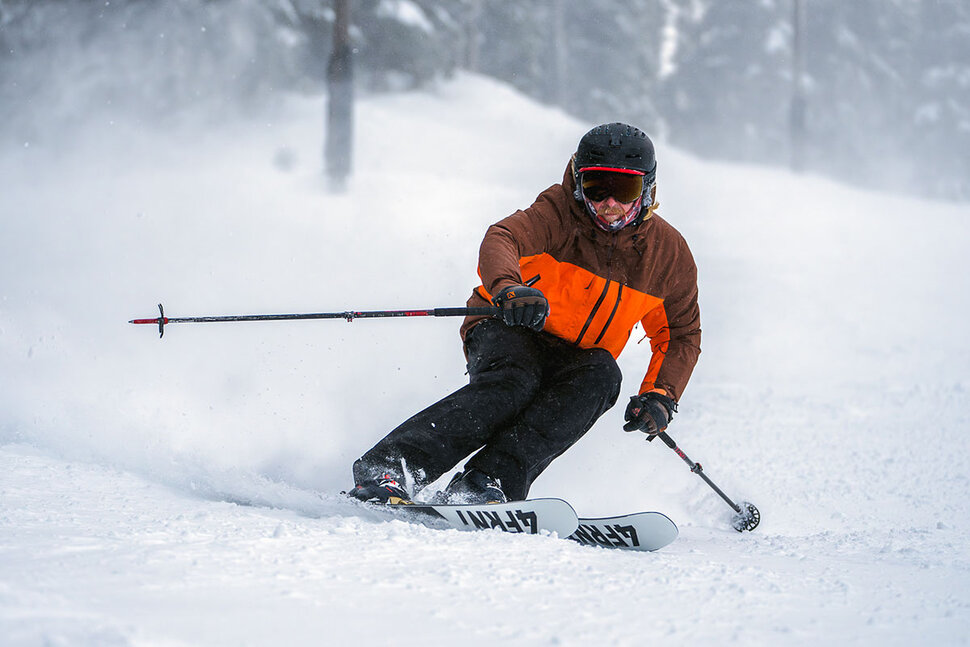
When shopping for ski poles, one of the most critical decisions you'll make is choosing between aluminum and carbon fiber construction. While both materials serve the same basic purpose, they offer distinctly different performance characteristics, durability profiles, and price points that can significantly impact your skiing experience.
Understanding the differences between aluminum and carbon fiber ski poles helps you make an informed choice that aligns with your skiing style, budget, and performance expectations. Let's break down everything you need to know about these two popular materials.
The Evolution of Ski Pole Materials

Ski poles have come a long way from their bamboo and wooden origins. Aluminum entered the mainstream ski market in the mid-1900s, revolutionizing pole design with its lightweight nature, rust resistance, and superior strength compared to traditional materials. The introduction of aluminum allowed skiers to enjoy better balance, reduced swing weight, and improved durability.
Carbon fiber technology emerged in the 1950s but wasn't widely applied to ski poles until decades later. In 1990, Dave Goode of Goode Ski Technologies pioneered the first composite ski poles, combining carbon fiber with fiberglass to create poles that were dramatically lighter than aluminum while maintaining impressive strength. This innovation sparked a revolution in pole design that continues to evolve today.
Modern ski poles now come in pure aluminum, pure carbon fiber, and composite constructions that blend both materials to capture the advantages of each.
Aluminum Ski Poles: Characteristics and Performance

Aluminum remains the most popular ski pole material for good reason. Modern aluminum poles typically use high-grade alloys—most commonly 6000-series or 7000-series aluminum—that balance weight, strength, and affordability.
Weight and Feel
Aluminum ski poles generally weigh between 16-20 ounces per pair, though high-end models using 7000-series aluminum can be significantly lighter. While this is heavier than carbon fiber, the difference is often only a few ounces per pair—less than many skiers notice during typical resort days.
The slightly higher weight of aluminum actually provides benefits for certain skiing styles. The additional mass offers better momentum during pole plants and creates a more solid, stable feel that some skiers prefer, particularly when skiing aggressive terrain or in variable conditions.
Strength and Durability
The signature characteristic of aluminum poles is their flexibility under stress. When an aluminum pole takes a hard impact—whether from crashing, hitting rocks, or being jammed into hard pack—it tends to bend rather than break. This forgiving nature makes aluminum poles highly durable for recreational and aggressive skiing.
If you do bend an aluminum pole, you can often straighten it in the field and continue skiing. While the bend point becomes a weak spot that may eventually fail, you typically get a second chance rather than experiencing catastrophic failure. This field-repairable quality is particularly valuable in the backcountry or during multi-day ski trips.
Higher-grade aluminum alloys (7000-series) offer improved strength-to-weight ratios and greater resistance to bending compared to cheaper 5000 or 6000-series aluminum. These premium alloys provide performance that approaches carbon fiber while maintaining aluminum's forgiving failure characteristics.
Vibration and Feedback
Aluminum poles transmit more vibration than carbon fiber. When you plant an aluminum pole on hard snow or ice, you'll feel more feedback through the shaft into your hand. Some skiers appreciate this direct connection and solid feedback, as it provides clear information about snow conditions. Others find the increased vibration fatiguing during long days, particularly on firm, choppy snow.
The stiffer nature of aluminum—especially high-grade alloys—offers excellent responsiveness during aggressive skiing. The pole doesn't flex excessively during hard plants, providing reliable support for technical skiing and quick pole touches.
Cost Effectiveness
Perhaps aluminum's greatest advantage is affordability. Quality aluminum poles can be found at every price point, from budget-friendly options under $50 to premium models around $100-150. This accessibility makes aluminum an excellent choice for beginners, growing children, recreational skiers, and anyone who prefers not to invest heavily in poles.
Carbon Fiber Ski Poles: Characteristics and Performance
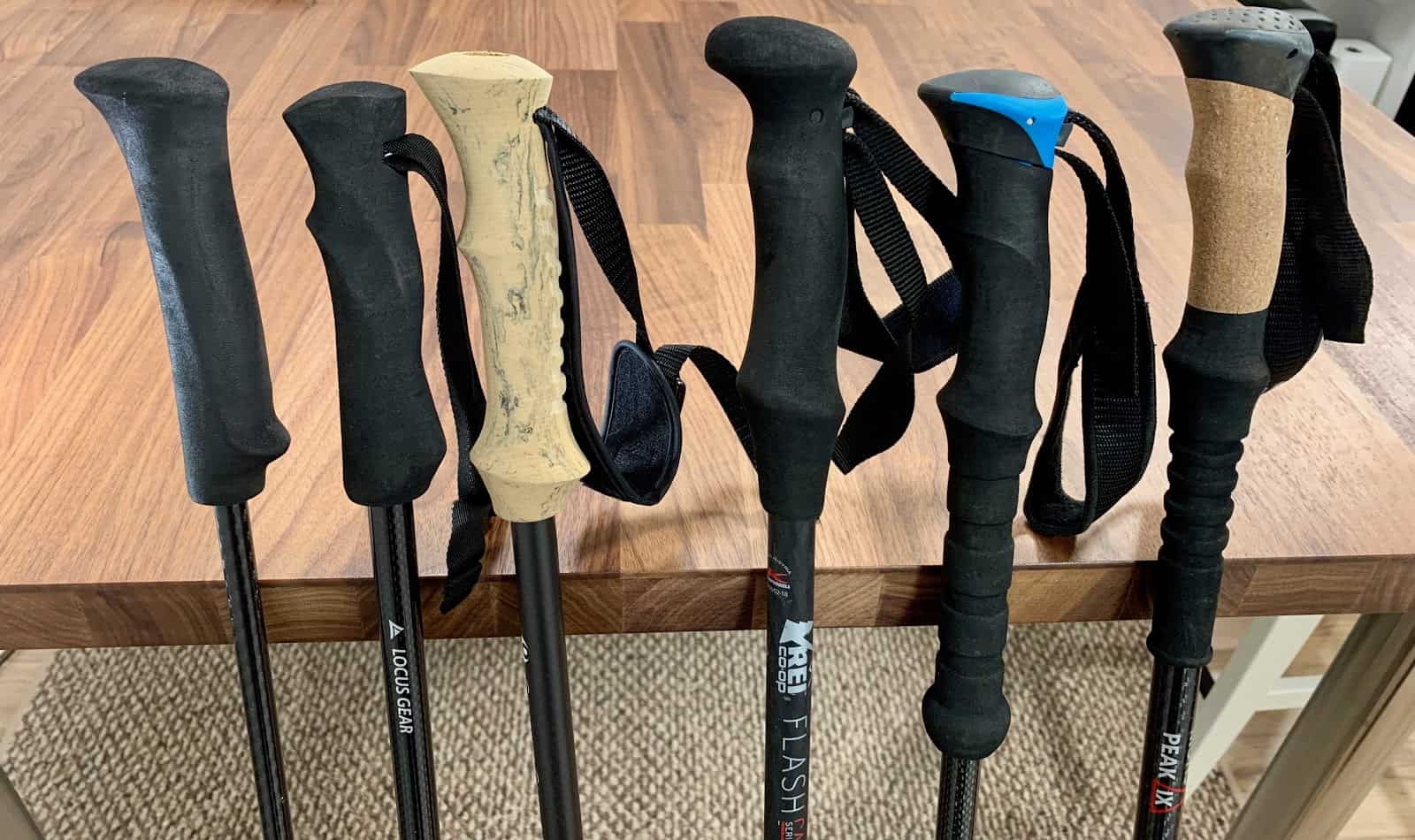
Carbon fiber ski poles represent the high-performance end of the market. True carbon fiber poles are made from crystalline carbon filaments laid in resin, creating an incredibly strong yet lightweight material.
Weight Advantages
Carbon fiber poles typically weigh between 12-16 ounces per pair—roughly 25-30% lighter than comparable aluminum poles. High-end pure carbon models can weigh as little as 10-11 ounces per pair. This weight reduction becomes increasingly noticeable during long ski days, backcountry tours, and when covering significant vertical.
The lighter swing weight means your arms move the poles with less effort. Over hundreds or thousands of pole plants during a day of skiing, this efficiency translates to reduced arm fatigue and better endurance. For ski mountaineers logging huge vertical days or racers seeking every competitive advantage, this weight savings is significant.
Carbon fiber also allows for thinner shaft diameters than aluminum—sometimes as narrow as 10-12mm compared to aluminum's typical 14-18mm. These pencil-thin shafts further reduce weight and wind resistance while maintaining impressive strength.
Stiffness and Vibration Damping
Carbon fiber's molecular structure provides natural vibration damping superior to aluminum. When you plant a carbon pole, the material absorbs shock rather than transmitting it up the shaft. This characteristic makes carbon poles noticeably smoother and more comfortable, especially during aggressive skiing on firm, variable snow.
The reduced vibration is gentler on your hands, wrists, elbows, and shoulders over long periods. Skiers who experience joint discomfort or who simply prefer a more refined feel often gravitate toward carbon fiber for this reason.
Despite their lighter weight, quality carbon fiber poles are extremely stiff and responsive. They don't flex or deflect during pole plants, providing reliable support even when leaned on hard during steep traverses or technical skiing.
Strength Characteristics
Here's where carbon fiber gets interesting: it's both stronger and more brittle than aluminum. High-quality carbon fiber has a strength-to-weight ratio roughly six times that of aluminum, meaning a carbon pole of equal weight is significantly stronger than its aluminum counterpart.
However, carbon fiber's failure mode differs dramatically from aluminum. While aluminum bends before breaking, carbon fiber maintains its shape until reaching its failure point, at which point it shatters or snaps catastrophically. There's no warning bend, and once broken, a carbon pole cannot be field-repaired.
This brittle characteristic makes carbon poles more vulnerable to side impacts, sharp edges, and point loads. A ski edge cutting across a carbon shaft, a hard strike against a rock, or excessive lateral bending can cause sudden failure. Careful skiers who avoid major impacts generally have excellent experiences with carbon poles, but aggressive skiers who abuse their equipment may find carbon too fragile.
Cold Weather Considerations
Carbon fiber performs consistently across temperature ranges and doesn't become brittle in extreme cold the way cheap composite poles can. However, low-quality carbon fiber poles may use inferior resins that do become brittle in freezing conditions. Stick with reputable manufacturers when choosing carbon.
Premium Pricing
Carbon fiber poles command premium prices, typically ranging from $100 to $250+ per pair depending on construction quality and features. For many skiers, the performance benefits justify this investment, but carbon's high price point puts it out of reach for budget-conscious skiers.
Composite Ski Poles: The Best of Both Worlds?
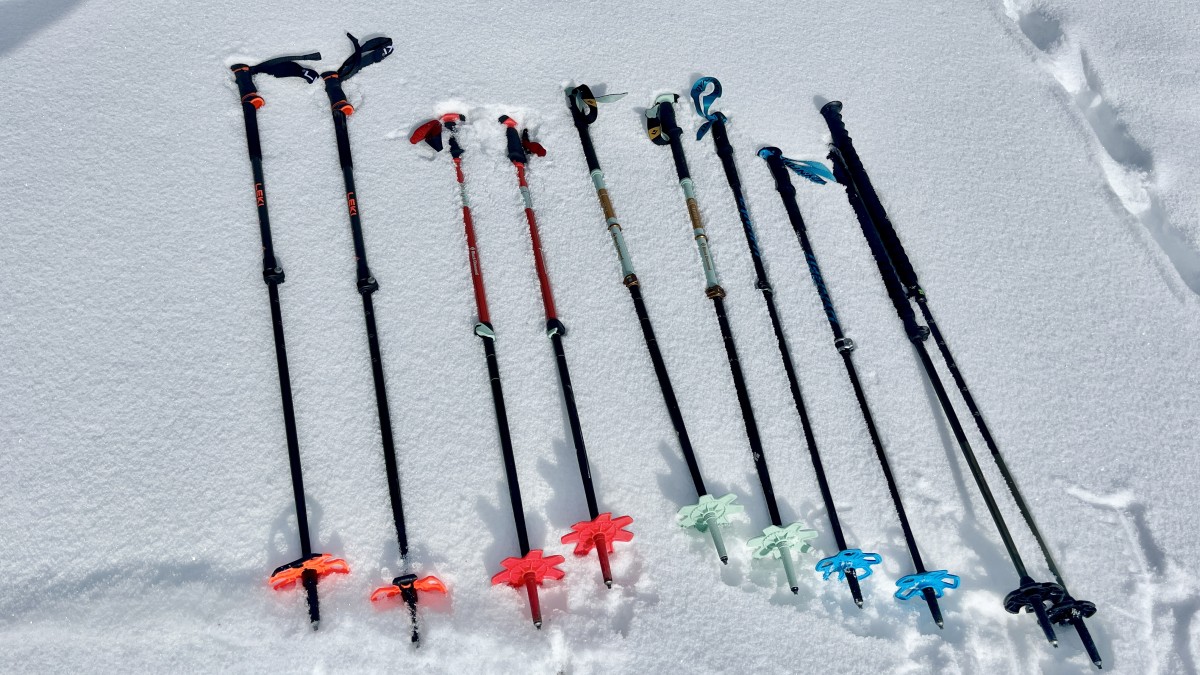
Many modern ski poles are labeled "composite," which typically means they combine carbon fiber and fiberglass in varying ratios. These blends attempt to balance the advantages of different materials.
Understanding Composite Ratios
Composite poles can range from 90% carbon/10% fiberglass down to 60% carbon/40% fiberglass or even higher fiberglass content. Higher carbon content generally means lighter weight and better performance, while higher fiberglass content increases durability and reduces cost.
It's important to recognize that not all composite poles perform like pure carbon. Lower-grade composite poles with high fiberglass content may actually be heavier and more flexible than quality aluminum poles while lacking aluminum's superior durability.
Hybrid Construction Designs
Some manufacturers create hybrid poles with different materials in different sections. A common design uses aluminum for the upper section (where it's less likely to contact rocks or ski edges) and carbon fiber for the lower section (where weight savings matter most). This approach provides good durability while maintaining lighter overall weight.
Another hybrid approach seen in telescoping backcountry poles pairs materials strategically based on stress points and contact areas. These thoughtfully engineered designs often deliver excellent real-world performance.
Head-to-Head Comparison: Key Decision Factors
Durability Winner: Aluminum
For pure durability and abuse resistance, aluminum wins decisively. Aluminum poles can be bent, straightened, crashed, and generally mistreated while remaining functional. They're the smart choice for beginners still developing technique, skiers who are hard on equipment, and situations where pole damage is likely (tight trees, rocky terrain, frequent crashes).
Weight Winner: Carbon Fiber
Carbon fiber's lighter weight and better swing efficiency make it the clear winner for skiers prioritizing performance. The weight advantage is most meaningful during backcountry touring, long days at the resort, and for anyone seeking to reduce arm fatigue.
Value Winner: Aluminum
With excellent poles available at every price point and proven long-term durability, aluminum delivers the best value for most recreational skiers. You can find quality aluminum poles for $50-100 that will last for years.
Comfort Winner: Carbon Fiber
Carbon fiber's superior vibration damping creates a noticeably smoother, more refined feel that's gentler on joints during extended skiing. For skiers with hand, wrist, or elbow issues, this advantage can be significant.
Versatility Winner: Aluminum
Aluminum handles a wider range of conditions, skiing styles, and abuse levels successfully. From backcountry to bumps to park, aluminum poles perform reliably without requiring special care.
Material Selection by Skier Type
Beginners and Intermediate Skiers
Aluminum is the smart choice for developing skiers. Lower cost means less worry about damage during the learning process, and aluminum's durability ensures the poles will survive the inevitable crashes and mishaps. The slightly heavier weight isn't a disadvantage when you're not yet skiing at a level where a few ounces matters.
Advanced and Expert Resort Skiers
Either material works well, making this a personal preference decision. If you value a lighter, smoother feel and ski carefully enough to avoid major impacts, carbon fiber enhances your experience. If you ski aggressively, prefer bomb-proof reliability, or want better value, aluminum is perfectly capable.
Backcountry and Ski Touring Enthusiasts
Weight matters significantly when skinning for hours, making carbon fiber attractive for dedicated backcountry skiers. However, the remote nature of backcountry skiing means pole failure is more consequential. Many experienced backcountry skiers choose durable aluminum telescoping poles, accepting the small weight penalty for peace of mind.
Hybrid designs with aluminum uppers and carbon lowers offer an excellent middle ground for backcountry use, providing durability where it matters while saving weight overall.
Ski Mountaineers and Long-Distance Tourers
When you're covering massive vertical or going ultralight for multi-day trips, carbon fiber's weight savings become increasingly valuable. Ski mountaineers who treat their equipment carefully and need maximum efficiency often consider carbon worth the fragility trade-off.
Park and Freestyle Skiers
Aluminum's lower cost and crash-friendly nature make it the logical choice for park skiing. Many park skiers use the shortest, cheapest poles available or go without poles entirely.
Racers
Depending on discipline, racers use both materials. Slalom and GS racers often prefer aluminum for its durability and solid feedback. Downhill and super-G racers may choose carbon for its lighter weight and aerodynamic advantages during high-speed sections.
Care and Maintenance Considerations
Caring for Aluminum Poles
Aluminum poles require minimal special care. Periodically check that adjustment mechanisms (if present) work smoothly and that baskets are secure. If poles become bent, you can carefully straighten them, though repeated bending weakens the material. Store in a dry location to prevent corrosion at connection points.
Caring for Carbon Fiber Poles
Carbon poles demand more careful handling. Avoid leaning them where they might fall onto hard surfaces. Don't use them to pry, dig, or strike objects. Inspect regularly for surface damage, including gouges, cracks, or ski edge cuts. Some skiers wrap the lower shaft sections with protective tape to guard against ski edge damage.
When traveling, transport carbon poles in a padded ski bag rather than bungee-corded to the outside of luggage where they can be struck or crushed.
Making Your Material Choice
Choosing between aluminum and carbon fiber ultimately depends on your priorities:
Choose aluminum if you:
- Want the best value and durability
- Ski aggressively or in situations where pole damage is likely
- Are still developing your technique
- Prefer solid, direct feedback
- Want equipment that's forgiving of abuse
- Are buying poles for growing children
Choose carbon fiber if you:
- Prioritize light weight and reduced fatigue
- Appreciate refined feel and vibration damping
- Ski carefully and maintain equipment well
- Log long days or significant vertical
- Don't mind paying premium prices for performance
- Have joint discomfort that would benefit from less vibration
Consider hybrid/composite if you:
- Want a balance between materials
- Need the durability of aluminum with some weight savings
- Ski varied terrain with different demands
- Want performance approaching carbon at a lower price
Finding the Right Poles at Alpenglow Adventure Sports
Now that you understand the key differences between aluminum and carbon fiber ski poles, you're ready to choose the material that matches your skiing style and priorities. Whether you need affordable, durable aluminum poles for all-mountain versatility or premium carbon fiber for lightweight backcountry touring, selecting the right material ensures your poles enhance rather than hinder your mountain experience.
At Alpenglow Adventure Sports, we stock carefully selected ski poles in both aluminum and carbon fiber constructions from brands we trust. Our experienced staff has logged thousands of days in the mountains with different pole materials and can provide honest, firsthand insights into how various models perform in real conditions.
Visit us to feel the weight difference between materials, discuss the specific demands of your favorite terrain, and find poles that match your budget and performance expectations. We'll help you understand which material makes sense for your skiing—no pressure, just expert guidance from people who genuinely care about your experience in the mountains.
Whether you're upgrading from beat-up rental poles or looking for a high-performance set to match your quiver, we have the expertise and inventory to set you up right.