MICROspikes vs. Trail Running Shoes: Traction Solutions for Acadia's Fall Trail Conditions
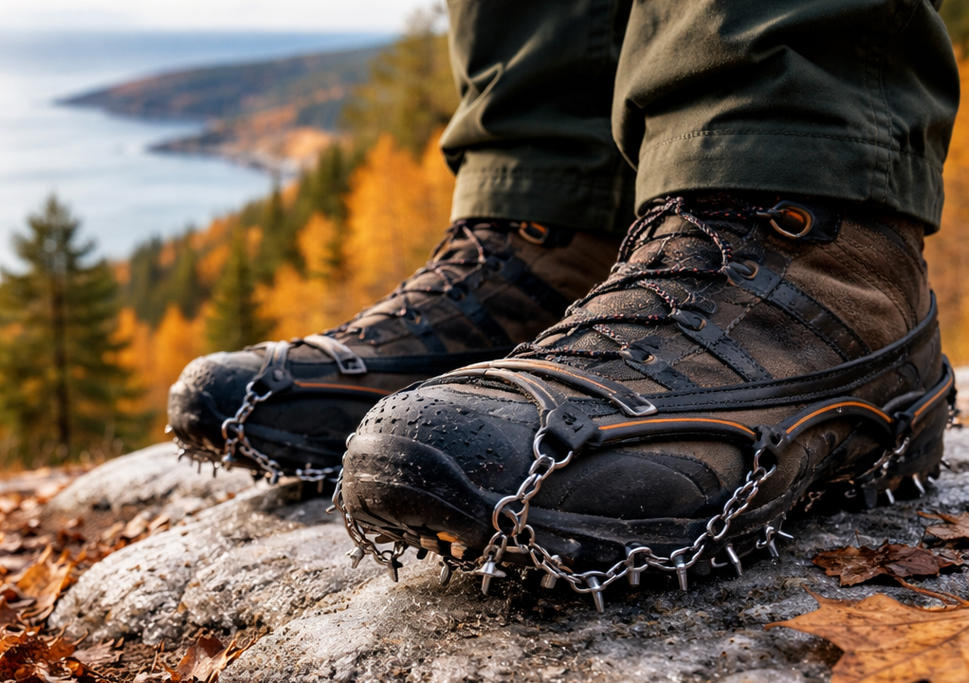
Fall hiking in Acadia is at its best and most unpredictable. One day you’re striding over dry granite with ocean views; the next, you’re dealing with wet trail traction problems: slick rock after rain, leaf-covered roots, and the season’s first frost turning shaded ledges into ice. For many hikers, the question becomes less about fitness and more about traction solutions: Do trail running shoes handle it? Or is it time for trail traction devices like Kahtoola MICROspikes or NANOspikes?
This guide breaks down how Acadia hiking fall conditions actually feel underfoot, what trail running traction can (and can’t) do, and how to choose between traction devices for hiking traction fall—especially when mornings start icy and afternoons warm up.
What makes fall trail conditions in Acadia tricky?
Acadia’s terrain magnifies seasonal changes because many popular routes combine exposed rock, wooded approaches, and frequent transitions between sun and shade. In Maine hiking fall weather, those transitions create “mixed conditions” that are notorious for surprise slips.
- Wet granite and sea-spray moisture: Acadia’s rock can be grippy when dry, but it gets noticeably slick when it’s rained recently or when fog and mist settle in.
- Leaf litter over roots and rock: A carpet of leaves hides wet roots, angled slabs, and small drop-offs. It looks soft; it behaves like ball bearings.
- Cold mornings and shaded ice: In October and November, you can see frost and thin ice on north-facing ledges while the rest of the trail is just damp. This is classic ice traction hiking territory.
- Freeze-thaw: Afternoon thaw can turn icy spots into wet patches and mud, then refreeze overnight. That means traction needs can change hour by hour.
- Steep, stepped, and scrambly terrain: Iron rungs, wooden ladders, rock staircases, and short scrambles (common on many Acadia routes) reward stable footing and punish sudden slips.
The practical takeaway: fall trail conditions often aren’t consistently “summer” or “winter.” You’re frequently moving between wet rock, leaf-slick dirt, and isolated ice.
Trail running shoes: what they do well (and where they fall short)
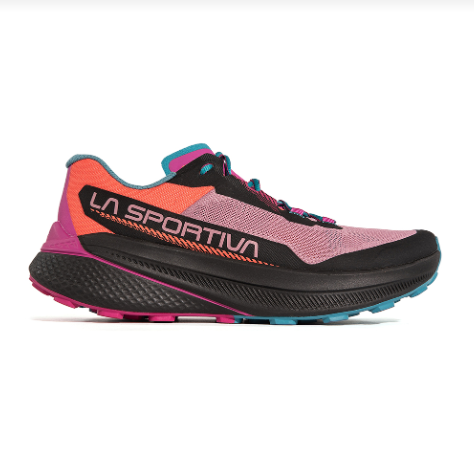
Trail running shoes can be an excellent choice for fall hiking Acadia trips, especially for hikers who prioritize agility and comfort. Modern trail runners often have sticky rubber compounds and lug patterns designed to bite into soft ground. But they’re not a magic solution for all trail traction problems.
Where trail running traction shines
- Wet dirt, light mud, and mixed tread: Lugs help shed mud and grip soft ground better than many flatter-soled footwear options.
- Fast foot placement and balance: The lighter shoe can make it easier to adjust quickly on uneven terrain and rock steps.
- Comfort over long miles: For many hikers, trail runners reduce fatigue, which can indirectly reduce missteps late in the day.
Where trail runners struggle in Acadia’s fall conditions
- Wet rock at low angles: Even “sticky” rubber can skate on smooth, wet granite, especially on slanted slabs.
- Leaf-on-rock and leaf-on-root: The shoe never contacts the grippy surface; the leaf layer slides.
- Frost and thin ice: Rubber lugs do very little on ice. This is where ice traction hiking requires metal points or studs.
- Early morning cold: Rubber compounds can feel less tacky when cold, and the consequences of a slip increase on steeper, rockier routes.
If your route stays mostly in the woods on dirt tread, trail running traction may be enough. But if your day includes exposed ledge, shaded gullies, or shoulder-season ice, you’ll want a backup plan.
MICROspikes vs. NANOspikes: a practical MICROspikes guide for fall
Two of the most common trail traction devices for hikers are Kahtoola MICROspikes and Kahtoola NANOspikes. Both are designed to add grip to footwear, but they solve different problems. Think of them as a spectrum: NANOspikes for “mostly trail with occasional slickness,” and MICROspikes for “real ice and firm, frozen surfaces.”
Kahtoola NANOspikes: studs for slick patches and shoulder-season conditions
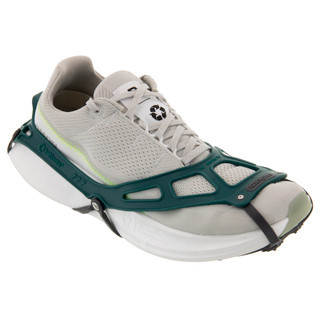
NANOspikes use tungsten carbide studs underfoot. They’re often the right call when you expect intermittent slippery sections but not sustained ice. For many Acadia hiking fall days, that’s exactly the scenario: frosty boardwalks, a few shaded icy steps, or a cold morning start that warms quickly.
- Best for: frost, thin refrozen patches, packed snow dustings, cold wet rock, and “just-in-case” traction.
- Strengths: lighter feel, less aggressive underfoot, smoother walking on mixed surfaces than longer spikes.
- Limitations: not ideal for sustained ice, steep icy pitches, or firm snow where you need deeper penetration.
If you’ve ever felt confident on dirt but nervous crossing a few icy slabs or frozen puddles, NANOspikes are a simple upgrade in hiking traction fall conditions.
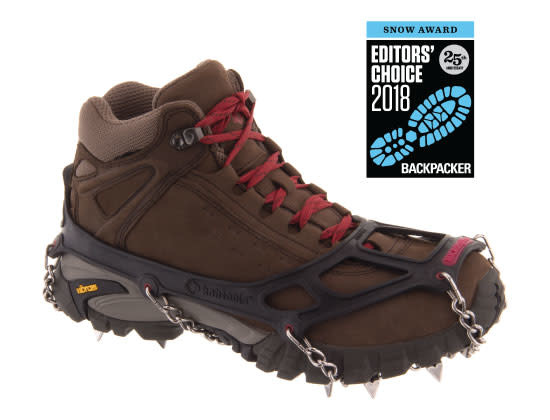
Kahtoola MICROspikes: deeper bite for real ice traction hiking
Kahtoola MICROspikes add chains and stainless steel spikes that bite into ice and firm snow. They’re a go-to solution when fall trail conditions start behaving like early winter: shaded ledges that stay icy all day, packed snow in gullies, or repeated transitions onto frozen surfaces.
- Best for: consistent ice, hard-packed snow, shaded icy ledges, and routes where a slip would have higher consequences.
- Strengths: dependable penetration and grip; a major step up in confidence when surfaces are truly frozen.
- Limitations: can feel overbuilt on bare dirt and rock; walking on long stretches of dry trail can be awkward and can wear them faster.
In many Maine hiking fall seasons, the first day you need MICROspikes surprises people: it might be 40–50°F in town while higher, shaded trail sections hold ice. When the surface is actually frozen, trail running shoes alone won’t replace metal traction.
MICROspikes® Footwear Traction
MICROspikes vs. trail running shoes: how to choose for Acadia in fall
Instead of thinking “either/or,” it’s more accurate to think in layers: your shoe provides baseline grip and stability, and traction devices extend your safe range when conditions demand it. Here’s a field-tested way to decide.
Choose trail running shoes (alone) when:
- The forecast is mild and mornings aren’t near freezing.
- Your route is mostly dirt tread with limited exposed ledge.
- Recent weather has been dry enough that rock isn’t slick.
- You’re comfortable adjusting pace and taking conservative lines on wet trail traction sections.
Add NANOspikes when:
- There’s a chance of frost, thin ice, or refrozen puddles early or late in the day.
- You expect occasional slick rock and want a traction “insurance policy.”
- You want something that transitions more comfortably between bare trail and short icy patches.
Bring MICROspikes when:
- The trail has sustained shaded ice, or you’re starting before the sun hits ledges.
- You’ve seen recent freeze-thaw cycles and the trail has been wet.
- Your hike includes steeper, rockier terrain where a slide would be difficult to arrest.
- You want the most reliable ice traction hiking option short of a true crampon system.
Common Acadia fall scenarios (and what tends to work)
Every year is different, but these patterns show up again and again during Acadia hiking fall season.
Scenario 1: Rain yesterday, fog this morning, ledges today
Wet granite is the headline issue, and leaves can hide slick spots. Trail running traction may be fine on dirt, but slick ledge transitions are where people usually slip.
- Often enough: trail running shoes with a grippy outsole, careful foot placement.
- Better margin: NANOspikes in your pack if temperatures dip or if you expect shaded, cold rock.
Scenario 2: Cold overnight, sunny afternoon, mixed terrain
This is classic hiking traction fall decision-making. You may encounter ice in the first hour and none later.
- Often enough: NANOspikes for morning frost and isolated ice patches.
- Upgrade to MICROspikes: if the route stays shaded or you expect ice to persist most of the day.
Scenario 3: First snowfall dusting, packed by foot traffic
Light snow can hide ice, especially where it’s been stepped on and refrozen. This can be more slippery than it looks.
- Often enough: MICROspikes when snow is thin but firm underneath.
- Sometimes enough: NANOspikes if it’s truly a dusting and not turning into hardpack.
Scenario 4: Leaves everywhere, roots and rocks underneath
This is a traction problem that metal spikes don’t always fully solve, because the leaf layer itself can slide. You still need good movement strategy.
- Often enough: trail runners with solid lugs, slower pace, and deliberate steps.
- Helpful addition: NANOspikes if temperatures are cold and slickness increases on hard surfaces.
Fit and compatibility: getting traction devices to work with trail runners
Trail traction devices work best when they fit your footwear securely. Most hikers use them with trail running shoes or light hiking shoes without issues, but a few details matter.
- Match the size to your actual footwear: If you’re between sizes, consider whether you’ll wear thicker socks in late fall.
- Check heel security: If your shoe has a very tapered heel or minimal structure, make sure the harness sits snugly and doesn’t creep.
- Mind rock plates and stack height: Very tall, soft midsoles can feel a bit unstable on uneven rock when you add spikes; take a few careful steps when you first put them on.
- Practice before committing: Put your traction on at home, walk around, and learn how they feel on stairs so you’re not troubleshooting at a windy trailhead.
If you’re shopping for footwear specifically for shoulder season, consider hiking shoes or trail shoes with a stable platform. (If you want to browse options, Alpenglow organizes footwear collections here: Women’s Hiking Shoes and Men’s Footwear.)

Technique still matters: how to move on wet rock, leaves, and ice
Even the best trail traction devices don’t replace good judgment and footwork. A few habits make a big difference in fall trail conditions.
- Slow down on transitions: Most slips happen when you step from dirt onto rock, or from sun-warmed surfaces into shade.
- Step on texture: On granite, aim for rougher, grainy patches rather than smooth, polished sections.
- Avoid leaf piles on slanted rock: If you can’t see what’s under the leaves, assume it’s slick.
- Use micro-route finding: Sometimes the safest line is two feet to the left where the rock is drier or the dirt is less churned.
- Keep your center of mass over your feet: Especially on downhills. Leaning back increases the chance your foot shoots out.
Traction is a system: footwear, add-on devices, pace, and line choice all work together.
When to put spikes on (and when to take them off)
One of the most common fall mistakes is waiting too long to add traction. Another is leaving it on when it’s no longer needed.
- Put them on early: If you’ve already slipped once on ice, you’re late. Stop, add traction, and continue with more confidence.
- Take them off for long bare stretches: MICROspikes especially can feel clunky on rock and dirt. Removing them preserves both your footing quality and the life of the spikes.
- Plan for quick access: Keep traction near the top of your pack in fall, not buried under extra layers.
Quick decision checklist for Acadia fall trail traction
If you’re deciding what to pack for fall hiking Acadia routes, run through this short list before you leave.
- Overnight low: Near or below freezing suggests frost/ice in shade.
- Recent moisture: Rain, fog, or wet ground increases wet trail traction problems.
- Terrain: More exposed ledge and steeper rock increases consequence.
- Timing: Early starts and late finishes increase chance of frozen surfaces.
- Shaded sections: North-facing and wooded gullies hold ice longer.
If two or more of those flags are present, it’s reasonable to carry trail traction devices. If you’re seeing persistent ice in photos or recent trip reports, lean toward Kahtoola MICROspikes; if you’re mainly concerned about intermittent slickness, NANOspikes often fit the bill.
Bottom line: match traction to the day, not the calendar
In Acadia, fall trail conditions can shift from “simple hiking” to “careful ice traction hiking” within a single mile. Trail running shoes provide a strong baseline for comfort and trail running traction on dirt and mixed tread, but they don’t solve ice. NANOspikes are a smart tool for frosty mornings and patchy slickness, while Kahtoola MICROspikes are the more confidence-inspiring option when fall starts behaving like early winter.
If you’re building your shoulder-season kit, it helps to treat traction as essential safety equipment rather than an afterthought. For a look at options in one place, you can browse Alpenglow’s Footwear Accessories collection.
Leave a comment
Recent articles
View all
The Complete Guide to Choosing Hiking Socks: Materials, Cushioning, and Fit for Blister-Free Miles
GORE-TEX vs Non-GORE-TEX Hiking Boots: Understanding Waterproof Technologies and When You Need Them