GORE-TEX vs Non-GORE-TEX Hiking Boots: Understanding Waterproof Technologies and When You Need Them
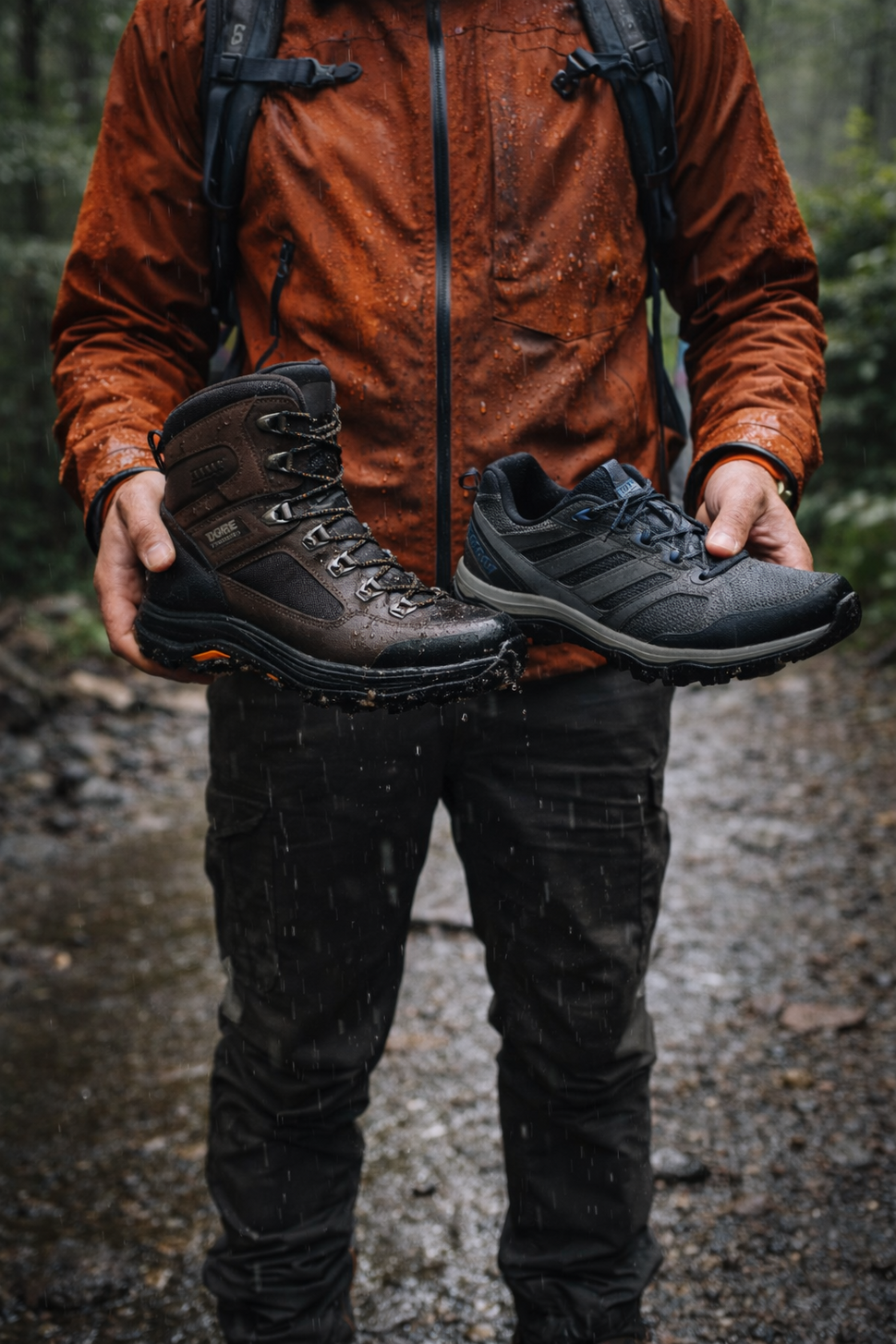
Choosing between waterproof footwear options can feel like a gear rabbit hole—especially when you’re comparing GORE-TEX hiking boots to non-membrane alternatives. In this guide to GORE-TEX vs Non-GORE-TEX Hiking Boots: Understanding Waterproof Technologies and When You Need Them, we’ll break down how waterproof membrane technology works, what “breathable” really means, and how to match your boots to climate, trail conditions, and hiking style. The goal: help you buy waterproof hiking boots (or skip them) with confidence.
What “Waterproof” Really Means in Hiking Boots
Many hikers assume waterproof means “water can’t get in, ever.” In reality, all hiking boot waterproofing is a system made up of multiple components:
- Upper materials (leather, synthetic, nubuck) and how they absorb water
- Waterproof membrane technology (like GORE-TEX) that blocks liquid water while allowing water vapor to escape
- Construction details (gusseted tongue, seams, rand height)
- Outsole and midsole design that affects drainage, flex, and how long water sits against the upper
Even the best membrane can be compromised by saturated outer materials, poor fit, or water coming in from the top (think deep puddles, stream crossings, or wet brush slapping your shins).
How GORE-TEX and Other Waterproof Membranes Work
GORE-TEX hiking boots use a membrane—typically expanded PTFE (ePTFE)—with microscopic pores. Those pores are small enough to block liquid water droplets, but large enough to let water vapor (sweat) escape. That’s the “breathable waterproof boots” promise: stay dry from the outside while reducing sweat buildup inside.
The key benefits of membrane-based waterproofing
- Reliable waterproof barrier: Great for extended exposure to wet ground, rain, slush, and snow.
- Consistency across conditions: Unlike surface sprays, the membrane doesn’t “wear off” quickly (though it can be overwhelmed by saturation).
- Warmer feel in cold/wet weather: Less evaporative cooling when your socks and uppers aren’t constantly damp.
Common misconceptions about “breathable waterproof boots”
- Breathability is not the same as ventilation. A membrane helps moisture vapor move, but it won’t feel like a mesh trail runner.
- Humidity matters. If it’s hot and humid, there’s less vapor-pressure difference between inside and outside the boot—so sweat may linger.
- Wet outers reduce breathability. When the exterior fabric “wets out,” vapor transfer slows.
Non-GORE-TEX Options: Waterproof, Water-Resistant, and Non-Waterproof
“Non-GORE-TEX” doesn’t automatically mean “not waterproof.” There are three broad categories:
- Non-GORE-TEX waterproof membranes: Many brands use proprietary liners that function similarly, offering a waterproof barrier with varying breathability and durability.
- Water-resistant uppers + treatments: Leather or synthetics can be treated to repel water, but they typically won’t resist prolonged immersion or heavy rain as well as a true membrane.
- Non-waterproof (highly breathable) boots/shoes: These prioritize quick drying and airflow—ideal for warm climates, fast hiking, or routes with frequent water crossings where you’d rather drain/dry than trap moisture.
In other words, the decision isn’t simply GORE-TEX vs “nothing.” It’s about which waterproofing approach matches your typical trail conditions and comfort preferences.
When You Actually Need Waterproof Hiking Boots
Waterproof hiking boots shine when the environment is persistently wet or cold. Consider choosing a membrane boot (GORE-TEX or similar) if you regularly hike in:
- Cold shoulder seasons: Spring melt, late fall rain, or frosty mornings where wet feet quickly become cold feet.
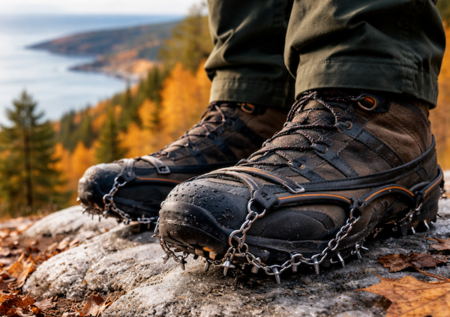
- Snow, slush, and mud: Particularly when paired with gaiters to prevent water entry from above.
- Rainy climates: Pacific Northwest-style drizzle where the trail never really dries out.
- Long days in wet vegetation: Dew-soaked grasses and brush can saturate non-waterproof uppers quickly.
If your hikes frequently involve these conditions, GORE-TEX hiking boots can reduce discomfort, blister risk from soggy socks, and the “squelch factor” that ruins an otherwise great day outside.
When Non-Waterproof Footwear Is the Smarter Choice
There are plenty of scenarios where skipping a waterproof membrane is a performance upgrade:
- Hot weather and high exertion: More ventilation can mean drier feet (from sweat) and fewer hotspots.
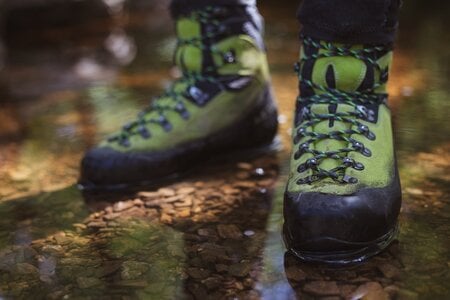
- Frequent water crossings: If water is going to get in anyway, non-waterproof footwear can drain and dry faster.
- Fast-and-light hiking: Many hikers prefer lighter, more agile options over heavier, more structured boots.
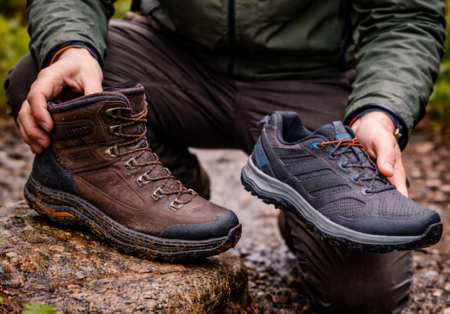
For summer day hikes and smoother trails, consider lighter options like light hiking shoes—especially if you value breathability and quick drying over full waterproofing.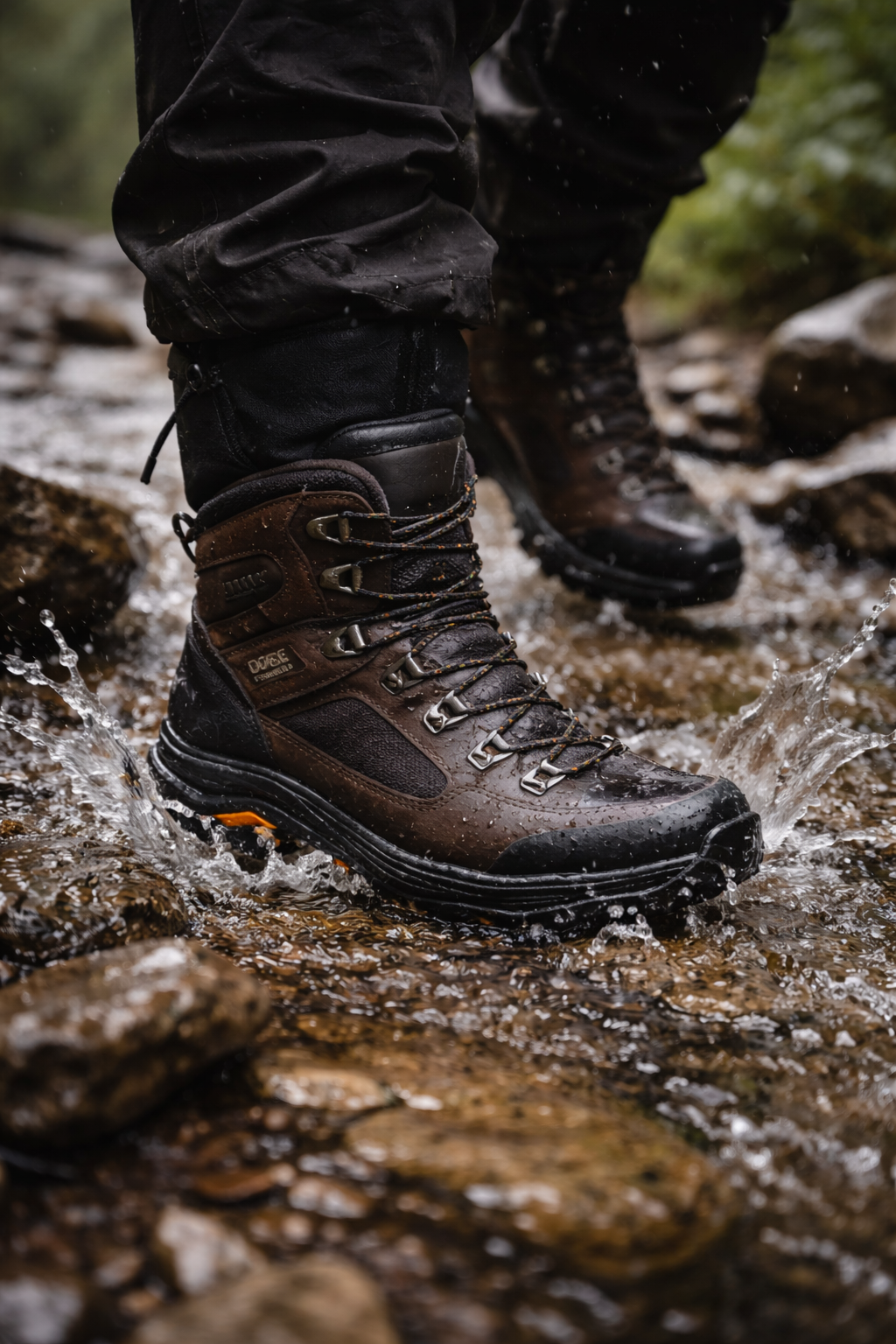
GORE-TEX vs Non-GORE-TEX: Key Differences That Matter on Trail
To make a practical comparison, focus on the real-world tradeoffs below.
1) Breathability vs heat retention
Breathable waterproof boots can still feel warmer than non-waterproof models because membranes reduce airflow. If your feet run hot, a non-waterproof boot or shoe may feel more comfortable on long climbs.
2) Dry time after saturation
Membrane boots tend to dry slowly once water gets inside (from the collar, a deep crossing, or heavy sweat). Non-waterproof options often dry faster because they’re designed to vent and drain.
3) Weight and flexibility
Adding a waterproof liner can add weight and sometimes stiffness. For technical terrain, weight might be worth the protection; for mellow trails, you may prefer a lighter, more flexible feel.
4) Durability and long-term performance
Membranes can last a long time, but they’re not invincible. Abrasion, delamination, and seam wear can reduce waterproof performance over years of use. Meanwhile, water-resistant leather can remain effective with consistent hiking boot waterproofing maintenance—but it requires ongoing care.
Don’t Forget the Rest of the System: Socks, Fit, and Gaiters
Your boots are only one part of staying dry and comfortable. Before blaming (or praising) any waterproof membrane technology, check these variables:
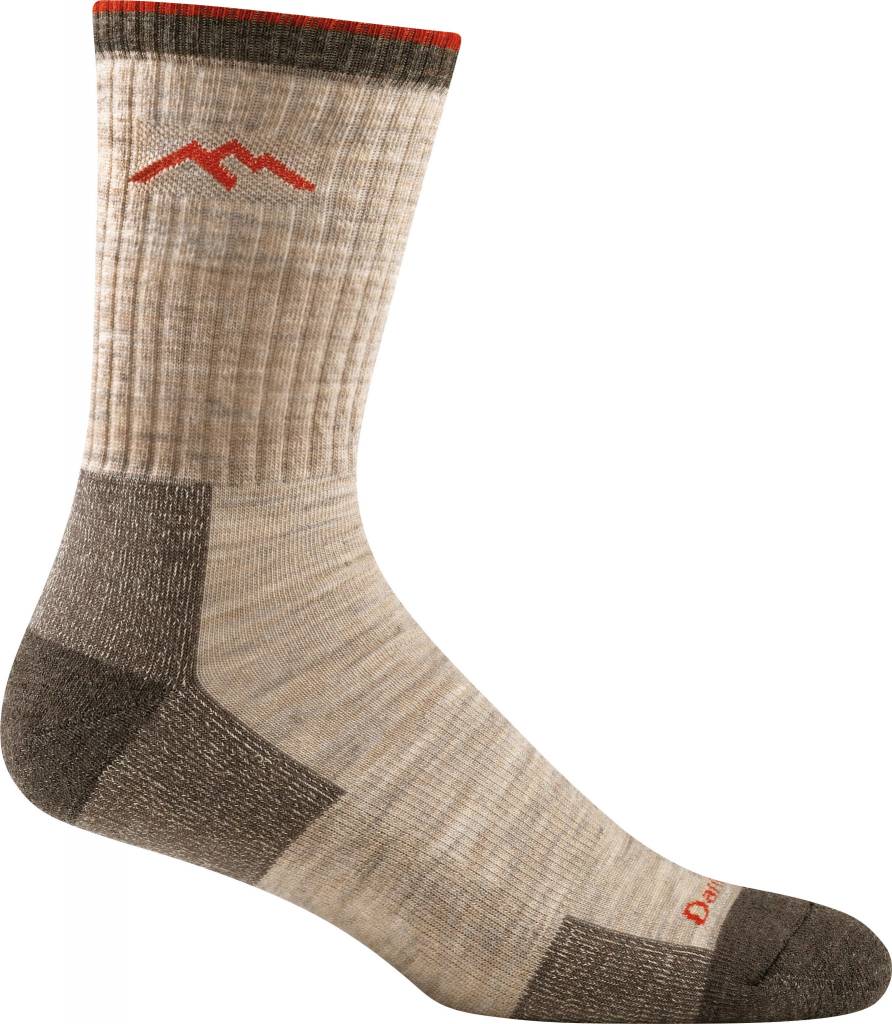
- Socks: Pair boots with moisture-wicking hiking socks to reduce friction and manage sweat. Cotton holds moisture and can lead to blisters.
- Fit: A boot that’s too tight reduces circulation and increases sweat; too loose creates rubbing and blisters—wet or dry.
- Gaiters: In wet brush, snow, and mud, gaiters can prevent water from entering at the collar—one of the most common failure points in “waterproof” setups.
How to Maintain Hiking Boot Waterproofing (GORE-TEX or Not)
Even GORE-TEX hiking boots benefit from proper upkeep. Dirt and oils clog exterior fabrics, causing “wetting out,” which reduces breathability and makes boots feel clammy.
Simple maintenance checklist
- Clean regularly: Rinse off mud, brush away grit, and clean with appropriate footwear-safe products.
- Reapply DWR when needed: Durable water repellent helps water bead off the outer material so the membrane can breathe.
- Condition leather (if applicable): Prevent cracking and excessive water absorption.
- Dry properly: Remove insoles, loosen laces, and air dry away from direct heat sources.
For everything from cleaners to sprays and leather conditioners, stock up on waterproofing treatments and care products to extend the life of your footwear and keep performance consistent.
Choosing Based on Terrain and Trip Type
Terrain drives footwear needs as much as weather. Rocky routes may demand more structure and protection; soft forest trails may reward lighter options. If you want a deeper breakdown of how terrain impacts traction, stability, and support, check out our guide to terrain-specific footwear selection.
As a quick rule of thumb:
- Wet, cold, muddy, snowy: Waterproof membrane boots (often GORE-TEX) + gaiters + wool/synthetic socks.
- Warm, dry, high-output: Non-waterproof, breathable footwear for airflow and faster drying.
- Mixed conditions: Consider your “worst hour” scenario (cold rain? boggy meadow?) and choose the option that keeps you safest and most comfortable.
What to Shop: A Practical Decision Guide
If you’re deciding what to buy right now, start with these questions:
- Do you hike in sustained wet conditions more than a few times a month? Lean waterproof.
- Do your feet run hot or sweat heavily? Lean non-waterproof or a lighter build.
- Are you doing long days with a pack? Support and protection may matter as much as waterproofing.
- Will you cross creeks often? Fast-drying may beat “waterproof.”
From rugged boots to versatile hikers, browse our full collection of men's hiking footwear to compare waterproof and non-waterproof options side by side.
Final Takeaway: Which Should You Choose?
Choose GORE-TEX hiking boots when cold and wet conditions are common, and you want dependable protection over long hours on soggy trails. Choose non-waterproof footwear when heat, speed, and quick-drying performance matter more than blocking outside water. In both cases, good socks and consistent care make a bigger difference than most people expect.
Ready to dial in your kit for the season? Explore our curated hiking and camping gear, then pick the right boots, socks, and care essentials to match your next route. If you’re upgrading footwear, start by browsing men's hiking footwear and grab the waterproofing treatments and care products that keep your investment performing mile after mile.