Carabiner Gate Types Explained: Wiregate vs. Solid Gate vs. Keylock
When you're building your climbing rack or replacing worn carabiners, one of the most important decisions you'll make is choosing the right gate type. While all carabiners serve the essential purpose of connecting you to your protection system, the gate mechanism dramatically affects performance, weight, durability, and ease of use. Understanding the differences between wiregate, solid gate, and keylock designs will help you select the perfect carabiners for your climbing style and objectives.
In this comprehensive guide, we'll break down each carabiner gate type, explain their advantages and disadvantages, and help you determine which option best suits your needs—whether you're sport climbing, trad climbing, alpine mountaineering, or everything in between.
What Is a Carabiner Gate and Why Does It Matter?
The gate is the movable part of a carabiner that opens to allow rope, webbing, or other equipment to clip in and then closes to secure the connection. While this might seem like a simple mechanism, the gate design affects several critical performance factors:
- Weight: Gate construction significantly impacts overall carabiner weight
- Gate opening size: How wide the gate opens when you press it
- Clipping ease: How smoothly and quickly you can clip rope or gear
- Durability: Resistance to damage, freezing, and wear over time
- Snagging: Whether the gate catches on gear, bolt hangers, or rock features
- Strength: How the gate design affects the carabiner's rated load capacity
Understanding these factors will help you make informed decisions when selecting carabiners for different applications in your climbing system.
Wiregate Carabiners: Lightweight Performance Champions
What Are Wiregate Carabiners?
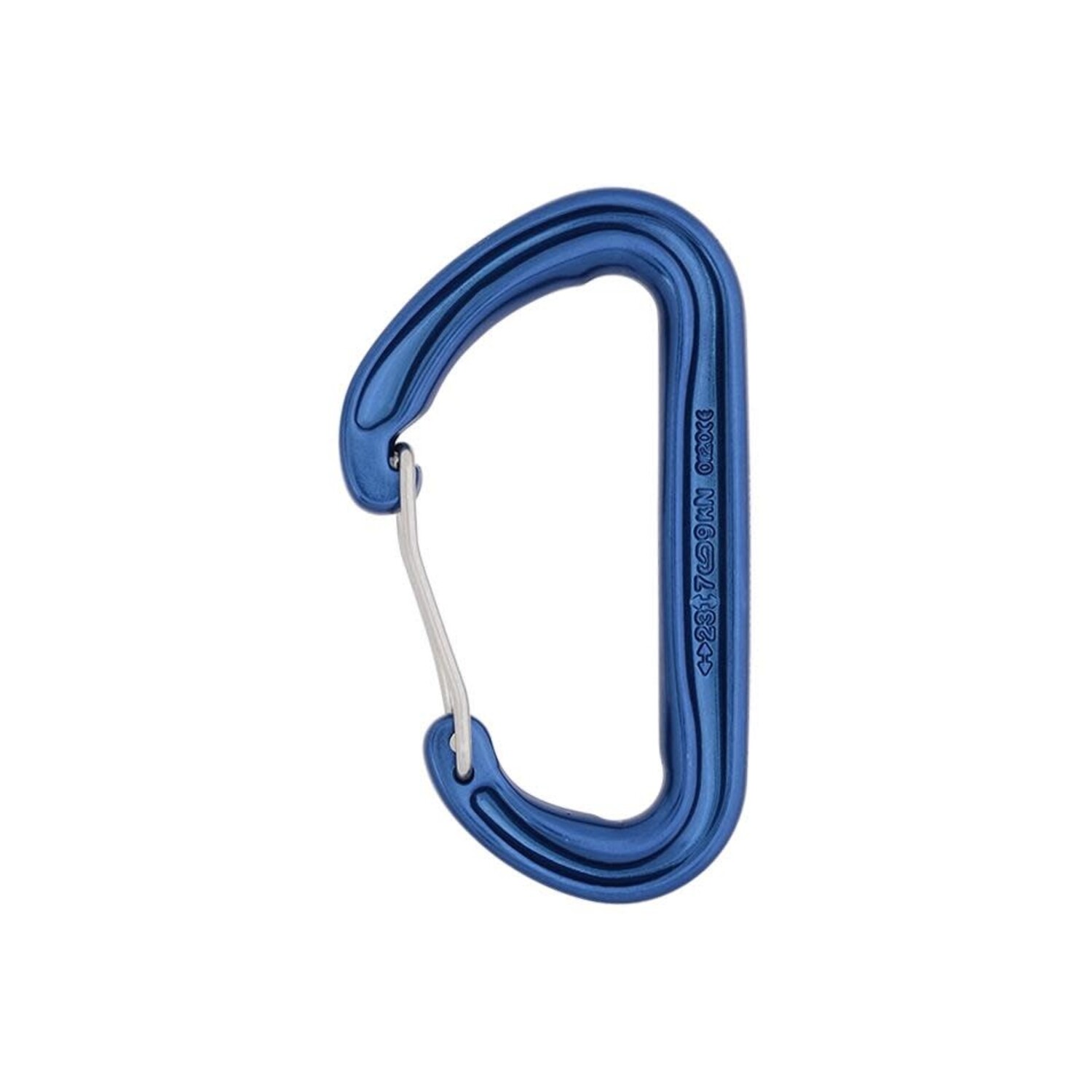
Wiregate carabiners feature a gate made from a bent wire loop rather than a solid piece of metal. This simple design innovation creates one of the most popular carabiner styles among modern climbers. Notable examples include the Black Diamond MINIWIRE, DMM Phantom, Petzl Ange, and Wild Country Helium—all available in Alpenglow's climbing hardware collection.
Advantages of Wiregate Carabiners
Exceptionally Lightweight: Wiregate carabiners are the lightest option available, making them ideal for weight-conscious climbers. A wiregate biner can weigh as little as 23-28 grams compared to 35-45 grams for equivalent solid-gate models. When you're carrying 15-20 quickdraws on a sport route or building a large trad rack, this weight savings becomes significant.
Reduced Gate Flutter: Gate flutter occurs when a carabiner impacts a surface during a fall, causing the gate to vibrate open momentarily. This can dramatically reduce the carabiner's strength. The lower mass of wiregate designs means they experience less inertia during impact, resulting in less gate flutter and maintaining their full strength rating more consistently during dynamic loading.
Superior in Cold Conditions: Wire gates don't accumulate ice and snow the way solid gates do. The open design prevents water from pooling and freezing the gate mechanism shut—a critical advantage for alpine climbing, ice climbing, and mountaineering in winter conditions.
No Snagging: Without a nose or notch mechanism, wiregate carabiners clip and unclip smoothly without catching on bolt hangers, rope, or other gear. This makes them faster and less frustrating to use, especially when you're pumped on a challenging route.
Excellent Durability: The simple wire construction is remarkably durable. Wire gates maintain their spring tension longer than solid gates and are less prone to mechanical failure over time.
Disadvantages of Wiregate Carabiners
Perceived Fragility: Some climbers, especially those new to the sport, feel that wire gates look less substantial than solid gates. However, this is purely psychological—wiregate carabiners meet the same UIAA and CE safety standards and are equally safe when used properly.
Smaller Gate Opening: Wire gates typically have a slightly smaller gate opening than comparable solid-gate carabiners, though modern designs have largely minimized this difference.
Less Ideal for Belay Carabiners: While perfectly safe, some climbers prefer the feel of a solid-gate HMS carabiner for belaying, particularly when using tube-style devices. The wider gate opening of solid gates can make clipping and manipulating the belay device slightly easier.
Best Uses for Wiregate Carabiners
- Sport climbing quickdraws (both ends)
- Alpine climbing where weight is critical
- Building large trad racks
- Winter and ice climbing applications
- Any situation where you're carrying numerous carabiners
Solid Gate Carabiners: Traditional Reliability
What Are Solid Gate Carabiners?
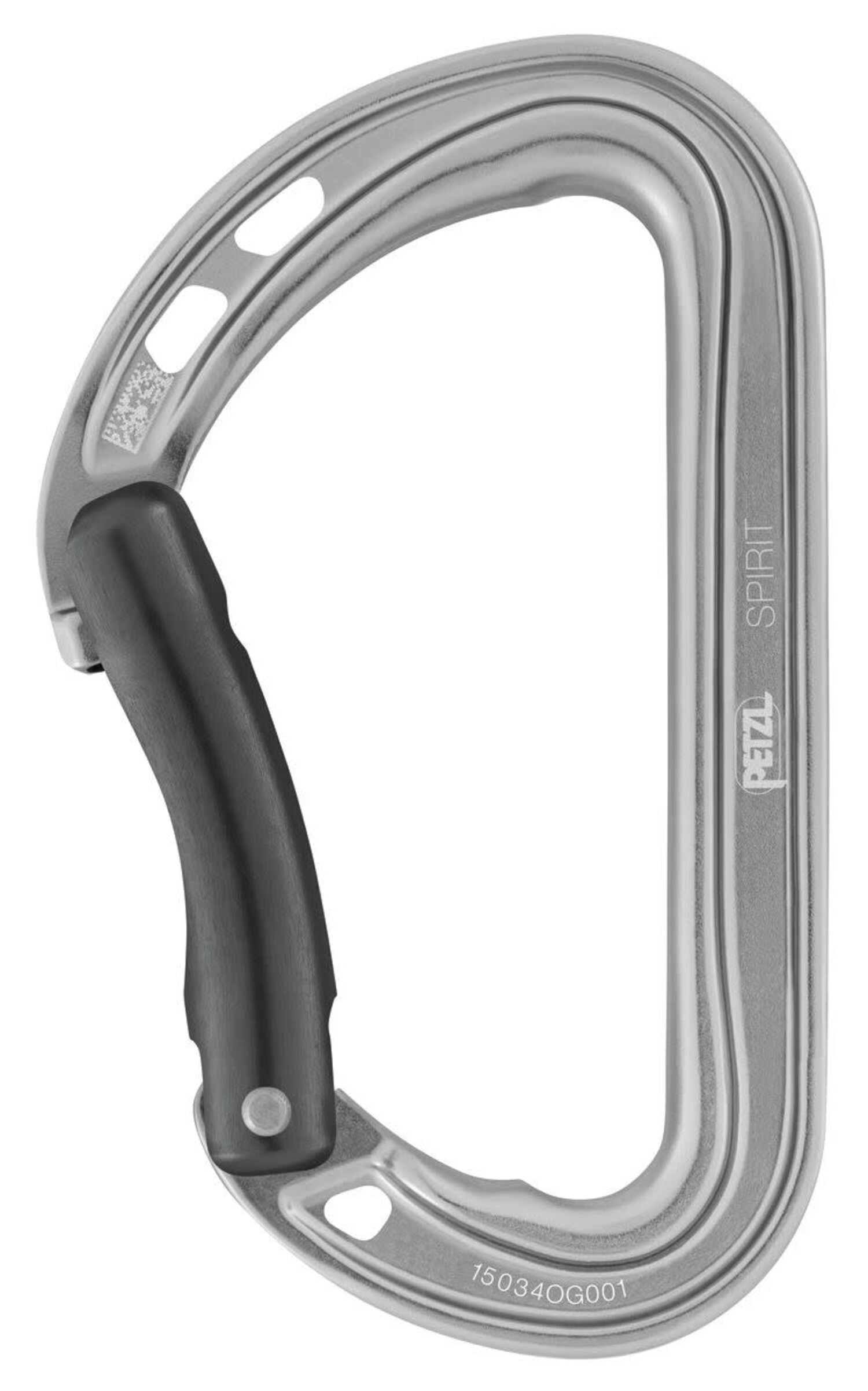
Solid gate (sometimes called straight gate) carabiners feature a gate made from a solid piece of metal with a spring mechanism that returns the gate to the closed position. This is the traditional carabiner design that's been used for decades in climbing.
Advantages of Solid Gate Carabiners
Wider Gate Opening: Solid gates generally offer a larger gate opening, making them easier to clip when working with thicker ropes, multiple strands, or when clipping with cold or gloved hands. This is particularly valuable for belay carabiners and rescue situations.
Familiar Feel: Many climbers, especially those who learned to climb with solid-gate biners, prefer the tactile feedback and substantial feel of a solid gate. The audible "click" when the gate closes provides reassuring confirmation of a secure connection.
Versatility: Solid-gate carabiners work well for virtually every climbing application, from racking gear to setting up anchors to belaying. Their proven design makes them a reliable all-around choice.
Better for Clipping Thick Items: When clipping webbing, multiple slings, or chunky gear loops, the wider gate opening and solid construction make manipulation easier than with some wiregate designs.
Disadvantages of Solid Gate Carabiners
Heavier Weight: Solid gates add 5-15 grams per carabiner compared to wiregate equivalents. This might seem minor, but it adds up quickly when you're carrying a full sport rack or trad system.
More Prone to Gate Flutter: The greater mass of solid gates makes them more susceptible to gate flutter during falls, potentially reducing their strength during dynamic loading.
Freezing in Cold Conditions: Water can collect in the gate mechanism and freeze, causing the gate to stick or become difficult to operate in cold weather. This makes solid gates less suitable for alpine and ice climbing.
Snagging Issues (Without Keylock): Traditional solid-gate carabiners with a notch mechanism can snag on bolt hangers, rope, and gear, creating frustration during clipping and unclipping operations.
Best Uses for Solid Gate Carabiners
- Belay carabiners (HMS/pear-shaped)
- General-purpose racking
- Situations where you prefer maximum gate opening
- Warm-weather climbing
- Any application where a few extra grams don't matter
Keylock Carabiners: The Best of Both Worlds
What Are Keylock Carabiners?
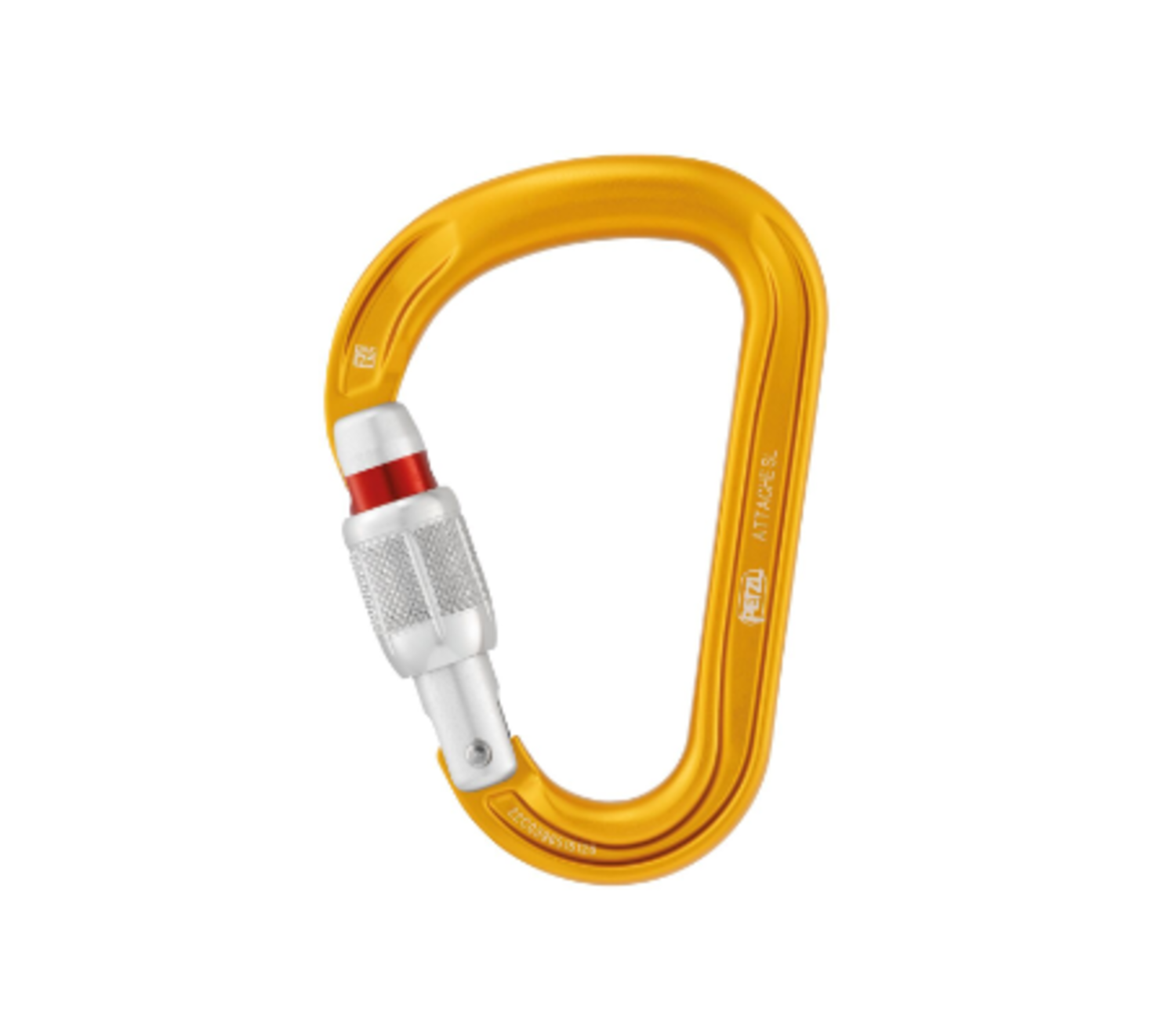
Keylock is not actually a gate type but rather a nose design that can be applied to both wiregate and solid-gate carabiners. Instead of using a traditional notch that the gate hook catches in, keylock designs feature a smooth, hooked nose that interlocks with the gate end. This creates a snag-free profile on both the gate and nose of the carabiner.
The keylock mechanism goes by several brand names—I-Beam (Black Diamond), Clean Nose (Petzl), and others—but they all accomplish the same goal: eliminating the notch that causes snagging.
Advantages of Keylock Carabiners
Zero Snagging: The smooth nose profile means keylock carabiners never catch on bolt hangers, webbing, rope, or other gear. This makes clipping and unclipping dramatically faster and less frustrating, especially when you're fatigued.
Professional Preference: Many professional climbers and guides prefer keylock designs for their reliability and ease of use. When you're making hundreds of clips, the snag-free operation becomes invaluable.
Works on Wiregate and Solid Gate: You can get the benefits of keylock technology combined with either wiregate or solid-gate construction, allowing you to optimize for both snag-free operation and your preferred gate style.
Cleaner Aesthetics: Many climbers appreciate the sleeker, more modern appearance of keylock carabiners.
Disadvantages of Keylock Carabiners
Higher Cost: Keylock carabiners typically cost $2-5 more per unit than equivalent non-keylock designs. When building a full rack, this price difference adds up.
Slightly Heavier: The keylock mechanism can add a few grams compared to traditional notch designs, though modern manufacturing has minimized this difference.
Potential Durability Concerns: Heavy wear on the keylock mechanism can potentially affect the gate closure, though this is rare with quality carabiners and proper maintenance.
Best Uses for Keylock Carabiners
- Top rope end of quickdraws (reduces snagging on anchors)
- Gear loops and racking carabiners
- Alpine draws and trad climbing
- Any situation where smooth clipping and unclipping is a priority
- Professional use (guiding, rescue, rope access work)
Choosing the Right Gate Type for Your Climbing
Now that you understand the differences between wiregate, solid gate, and keylock designs, how do you choose the right carabiners for your specific needs?
For Sport Climbing
Optimal Setup: Wiregate on both ends of your quickdraws, preferably keylock on the rope end to prevent snagging on chains and lower-offs. This combination maximizes weight savings while ensuring smooth clipping. Options like the Petzl Ange or Black Diamond MINIWIRE are excellent choices available in Alpenglow's carabiner collection.
For Trad Climbing
Optimal Setup: Wiregate non-locking carabiners for racking passive protection, wiregate or keylock quickdraws for lead climbing, and solid-gate or keylock locking carabiners for building anchors. The weight savings of wiregate designs is valuable when carrying a large rack, but keylock biners reduce fumbling when you're pumped and trying to clean gear.
For Alpine Climbing
Optimal Setup: Wiregate carabiners exclusively. The weight savings, resistance to freezing, and reduced gate flutter make wiregates the clear choice for mountaineering environments. Every gram matters when you're carrying gear over long approaches and up multi-pitch routes.
For Ice Climbing
Optimal Setup: Wiregate carabiners are essential for ice climbing. Solid gates will freeze shut in cold conditions, whereas wiregate designs maintain functionality even when coated in ice and snow. Look for larger wiregate models that accommodate thick gloves.
For Gym Climbing and Top Roping
Optimal Setup: Locking solid-gate or keylock HMS carabiners for belay loops provide maximum gate opening and a reassuring feel. Weight is not a concern in the gym, so prioritize ease of use and your personal preference.
Additional Factors to Consider
Gate Strength Ratings
All modern climbing carabiners must meet minimum strength standards: 20kN gate closed (major axis), 7kN gate open, and 7kN minor axis. However, gate type affects these ratings:
- Wiregate carabiners often have higher gate-open strength due to less gate flutter
- Solid gates may have slightly higher closed-gate ratings due to more robust construction
- Always check individual carabiner specifications rather than making assumptions
Gate Action and Spring Tension
The "feel" of how a gate opens and closes varies between designs:
- Wire gates typically have lighter, snappier action
- Solid gates often have firmer, more substantial spring tension
- Both are safe and effective—choose based on personal preference
Try handling different carabiners before purchasing if possible to find what feels most comfortable and intuitive for your use.
Locking vs. Non-Locking
This guide has focused on non-locking carabiners, but remember that locking carabiners (screw-gate, twist-lock, auto-lock) are available in both wiregate and solid-gate designs. For applications requiring locking biners—belaying, rappelling, building anchors—apply the same decision-making process about gate types.
Building Your Carabiner Arsenal
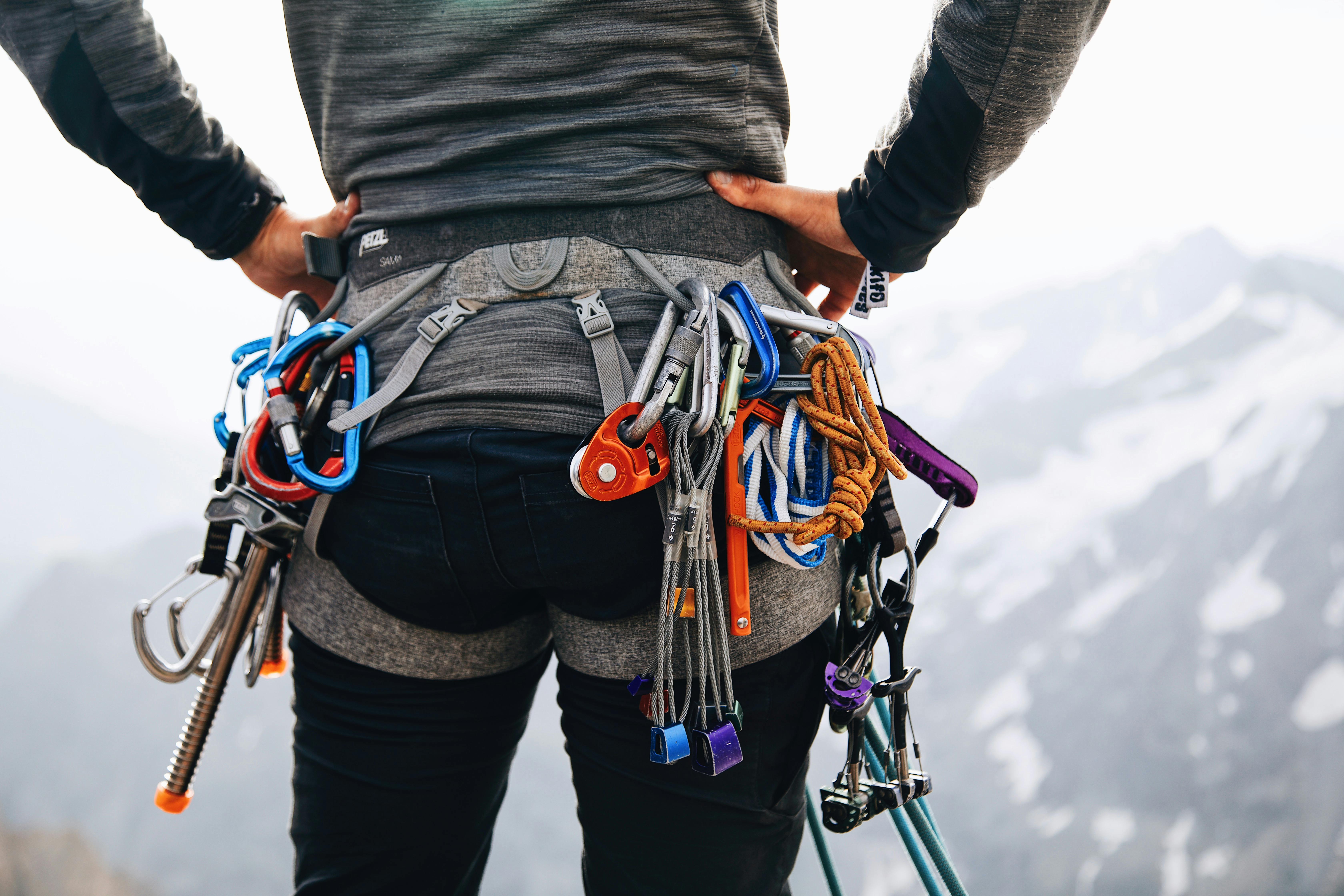
Most climbers eventually accumulate a mixed collection of carabiners optimized for different purposes:
Sport Climbing Rack: 10-15 wiregate quickdraws, 2-3 keylock locking carabiners for anchors
Trad Climbing Rack: 15-20 wiregate carabiners for racking gear, 6-8 wiregate or keylock quickdraws, 4-6 locking carabiners (mix of wire and solid gates)
Alpine Climbing Kit: All wiregate carabiners, supplemented with a few lightweight locking biners
Gym Climbing Setup: 1-2 large locking HMS carabiners (solid gate or keylock), possibly a few wiregate biners for personal anchors
Maintenance and Safety Considerations
Regardless of gate type, proper carabiner maintenance is essential:
- Inspect carabiners before each climbing session for cracks, burrs, or gate malfunction
- Retire carabiners that have taken significant falls or show visible damage
- Clean carabiners periodically with warm water, especially after beach or dusty climbing
- Never modify carabiners or remove any material
- Replace carabiners every 5-10 years even without visible damage
Shop Premium Carabiners at Alpenglow Adventure Sports
Ready to upgrade your carabiner collection with the perfect gate type for your climbing objectives? Explore Alpenglow's complete selection of climbing and technical hardware, featuring over 30 carabiner models from industry leaders including Black Diamond, Petzl, DMM, Wild Country, CAMP, and OCUN.
Whether you're seeking ultralight wiregate designs like the Black Diamond MINIWIRE and DMM Spectre 2, versatile solid-gate options, or premium keylock carabiners, Alpenglow carries the gear that serious climbers trust. Shop authorized dealer products with expert advice and support to ensure you're selecting the right equipment for your adventures.
Conclusion: There's No Single "Best" Gate Type
The ongoing debate between wiregate, solid gate, and keylock carabiners doesn't have a definitive winner because each design excels in different applications. Modern carabiners of all gate types meet rigorous safety standards and perform reliably when used appropriately.
Wiregate carabiners offer unbeatable weight savings and cold-weather performance, making them ideal for sport climbing, alpine pursuits, and weight-conscious applications. Solid gate carabiners provide traditional reliability with wider gate openings, making them excellent for belaying and general-purpose use. Keylock technology eliminates snagging frustrations and can be combined with either wiregate or solid-gate construction.
The best approach? Build a diverse carabiner collection that leverages the strengths of each gate type for its optimal application. By understanding these differences and matching carabiner designs to your specific climbing needs, you'll create a more efficient, lighter, and more enjoyable climbing system.
Now get out there and start climbing with confidence, knowing you've selected the perfect carabiners for your next adventure.